How to Prune Gnemon?
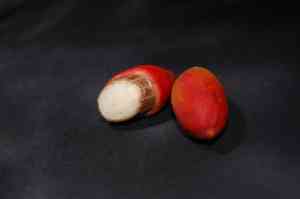
This dioecious evergreen flourishes in tropical climates and necessitates trimming to enhance air circulation and light access. For gnemon, conduct pruning during its dormant period in winter. Eliminate deceased or intersecting limbs and thin out congested sections, concentrating on mature growth to stimulate fruit production. Pruning additionally preserves form, lowers the likelihood of disease, and fosters robust new development. Disinfect implements to avert contamination and refrain from excessive removal to safeguard the plant's well-being.
Advantages of Trimming Gnemon
Advantages of Trimming Gnemon
Trimming gnemon encourages robust development and maintains its desired form. Consistent cutting can foster healthier, denser leaves and potentially boost yields if gnemon is cultivated for its edible components.
Optimal Period for Pruning Gnemon
Optimal Period for Pruning Gnemon
Pruning gnemon from late winter to early spring is ideal as the plant is typically inactive then. Pruning at this time reduces stress and allows gnemon to recover and grow vigorously once the growing season begins. Furthermore, with no leaves, the structure of gnemon is clearer, enabling more precise cuts. This timing also prevents cutting off new spring buds, crucial for gnemon's flowering and fruiting. Pruning just before growth starts means wounds heal faster, reducing disease risk. Additionally, late winter pruning prepares gnemon for strong growth and helps maintain its preferred shape and size.
Required Tools for Pruning Gnemon
Hand Pruners
These are perfect for making clean cuts on smaller branches and twigs of gnemon. The bypass type is highly recommended for its clean, close cut, which benefits the plant's health.
Lopping Shears
For branches too thick for hand pruners, lopping shears are the go-to tool. They offer greater leverage and can cut through thicker stems that gnemon might have, without causing undue harm.
Pruning Saw
A pruning saw is essential for the thickest branches of gnemon. These saws can handle branch sizes that pruners and loppers cannot, making them a vital part of a pruning kit for mature plants.
Shears
For shaping and trimming gnemon's foliage, especially for hedge-like formations, shears provide a quick and effective way to maintain the desired shape and manage growth.
How to Prune Gnemon
Sanitize tools
Before pruning gnemon, disinfect your pruning tools with alcohol or a household cleaner to prevent disease transmission.
Identify
Locate dead and diseased branches on gnemon that require removal. Look for branches showing signs of decay, unusual color, or lack of leaves.
Remove dead branches
Using sharp, clean pruning shears, cut dead branches back to healthy tissue. If the entire branch is dead, prune to the branch collar with a clean cut that avoids trunk damage.
Remove diseased branches
Inspect gnemon for diseased branches and carefully remove them. Cut at least a few inches into healthy wood beyond the affected area to ensure complete removal of infected parts.
Discard
Properly dispose of dead and diseased branches, away from gnemon, to prevent potential disease spread.
Common Pruning Errors with Gnemon
Excessive pruning
Removing too much foliage at once can stress gnemon, potentially leading to weak growth or reducing its ability to photosynthesize effectively.
Incorrect cut placement
Cutting too close to the main stem, or leaving large stubs, can harm gnemon and may encourage disease or pests.
Using dull tools
Pruning gnemon with dull or dirty equipment can result in jagged cuts that are more susceptible to infection.
Ignoring diseased limbs
Failing to remove diseased or damaged branches can compromise gnemon's health and spread pathogens.
Asymmetrical pruning
Uneven pruning may lead to lopsided growth and can negatively affect the aesthetic shape of gnemon.
Neglecting cleanup
Not clearing away pruned material can foster fungal growth or harbor pests near gnemon.
General Pruning Advice for Gnemon
Sharp clean tools
Use sharp, sanitized pruning shears to make clean cuts that heal quickly and minimize the chance of infection for gnemon.
Angled cuts
Make cuts at a 45-degree angle to prevent water accumulation and promote rapid healing for gnemon.
Selective pruning
Selectively prune crowded or crossing branches to enhance air circulation and light penetration within gnemon's canopy.
Protective growth
Retain enough foliage to protect gnemon from sunburn, especially in areas with intense sunlight.
Gradual approach
Prune gnemon gradually, particularly if reshaping or reducing size, to avoid shock to the plant.
Regular maintenance
Perform regular light pruning to maintain the desired shape and remove any dead or damaged growth from gnemon.
Healing time
Allow gnemon ample time to heal after pruning by avoiding excessive interference with the pruned areas.



