How to Prune Common corn-flag?
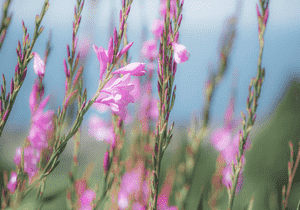
Distinguished by its towering floral stalks and vibrant blossoms, common corn-flag thrives with trimming to foster vigor. Detach faded flower stems at their base following flowering to inhibit seed production. Only trim leaves once they have naturally withered to guarantee energy reserves for the subsequent season. The best times for pruning are in early spring prior to new development or in late summer once flowering has concluded. Trimming preserves the plant's well-being and improves the spectacle of the next year.
What Are the Benefits of Pruning Common Corn-flag?
What Are the Benefits of Pruning Common Corn-flag?
Trimming common corn-flag promotes robust growth by eliminating faded blooms and damaged stems, ensuring energy is directed to healthy sections. Regular cutting helps maintain a tidy look, enhancing the plant's overall form and beauty.
What Is the Best Time for Pruning Common Corn-flag?
What Is the Best Time for Pruning Common Corn-flag?
Pruning common corn-flag in early spring is ideal, just before the growing season begins. This timing allows for the removal of any dead or damaged material from the previous year without hindering new growth, which is crucial for the plant's energy and resource allocation. Late summer pruning coincides with the end of common corn-flag's flowering period. Trimming at this point allows for deadheading spent flowers, which can encourage reblooming if the species and local climate permit. Additionally, late summer pruning helps prepare the plant for the dormant winter season by removing excess foliage and stems, reducing the likelihood of disease and pest infestation.
What Tools Do I Need to Prune Common Corn-flag?
Sharp Bypass Pruners
Perfect for making clean cuts on common corn-flag's leaves without harming the plant. Bypass pruners operate like scissors, with two sharp blades passing each other for a precise cut.
Scissors or Snips
Useful for deadheading common corn-flag or cutting flowers for arrangements. Scissors should be sharp and accurate for cutting thin flower stems without causing damage.
Garden Gloves
Recommended for hand protection when pruning common corn-flag, as its corms can irritate some individuals' skin.
Disinfectant
Essential for preventing disease spread during pruning. Blades should be cleaned and disinfected regularly, especially when moving between plants or after cutting diseased material.
How to Prune Common Corn-flag
Step1: Timing of Post-Bloom Pruning
Wait for the appropriate time to prune common corn-flag, which is after the flowers have faded and the leaves start to yellow and die back. This usually happens in late summer or early fall, once common corn-flag has completed its active growth and blooming cycle.
Step2: Cutting Spent Flower Spikes
Using clean, sharp pruning shears, cut dead flower spikes at their base where they meet the leaves or just above the next healthy leaf node. This prevents common corn-flag from expending energy on seed production and encourages the plant to focus on storing energy in the bulbs for the next growing season.
Step3: Trimming Yellowed Foliage
Remove the yellowed and dead foliage by cutting it off at the base as well. Ensure you do not pull the leaves as this can damage the bulb. The leaves are necessary for photosynthesis, and they aid in nutrient accumulation in the bulbs until they naturally begin to die.
Step4: Unearthing Overcrowded Bulbs
Once all the foliage has died back and you've removed the flower spikes, address overcrowded bulbs. Gently dig around the common corn-flag to expose the bulbs, being careful not to damage them with your tools.
Step5: Separating and Discarding Bulbs
Carefully separate the bulbs, keeping the healthy and larger ones for replanting. Discard any bulbs that appear damaged or diseased to prevent spreading potential problems to the remaining bulbs.
Step6: Replanting Healthy Bulbs
Replant the healthy common corn-flag bulbs immediately if the climate is suitable or store them in a cool, dry place until the planting season. Bulbs should be planted at a depth of about four times their height and spaced approximately 5 inches apart to promote proper growth.
Step7: Watering Post-Pruning
After pruning and replanting, water the area thoroughly to help the common corn-flag bulbs settle and recover from the pruning process. Keep the soil moist but not waterlogged as common corn-flag grows and develops new foliage.
Post-Pruning Care for Common Corn-flag
Post-Pruning Care for Common Corn-flag
After pruning common corn-flag, water the plant immediately to aid recovery. Maintain a well-lit environment without direct midday sun to avoid stress. Ensure consistent humidity and a temperature range of 68-72°F to promote healing. Gradually reintroduce a balanced fertilizer to strengthen common corn-flag post-pruning, avoiding over-fertilization. Regularly inspect common corn-flag for signs of distress or infection, such as wilting or discoloration, and if detected, reduce watering and improve air circulation. Prompt treatment with fungicides may be necessary for infections.
Common Pruning Mistakes with Common Corn-flag
Premature foliage cutting limits energy storage
Cutting the leaves too early, preventing common corn-flag from properly photosynthesizing and storing energy for the next growing season.
Excessive pruning reduces flowering potential
Pruning common corn-flag too aggressively, which can harm the plant and decrease its ability to flower in the future.
Dull, dirty tools cause damage and disease
Using blunt or unclean pruning tools, which can result in jagged cuts and introduce diseases to common corn-flag.
Failure to remove spent flowers affects bulb energy
Neglecting to remove only the faded flowers and seedpods, which can divert energy from bulb development.
Common Pruning Tips for Common Corn-flag
Clean, sharp shears for healthy cuts
Use clean, sharp pruning shears to make precise cuts, which helps prevent damage and disease in common corn-flag.
Trim spent flowers to boost nutrient flow
Snip off the faded flower spikes about 1 to 2 inches above the foliage to encourage proper nutrient distribution to the bulbs.
Allow leaves to yellow before removing for bulb health
Keep the leaves intact after flowering until they naturally yellow and die back; this is crucial for photosynthesis to replenish the bulbs.
Avoid soil disruption when deadheading
While deadheading, be careful not to disturb the surrounding soil and any new shoots that might be emerging.
Promptly remove damaged foliage to prevent disease
Remove any damaged or diseased foliage as soon as possible to keep common corn-flag healthy and prevent the spread of disease.
Carefully remove dead foliage to protect bulbs
After foliage dies back, gently remove it from the base, being careful not to tug as this might damage the bulbs.



