How to Prune Prairie Smoke?
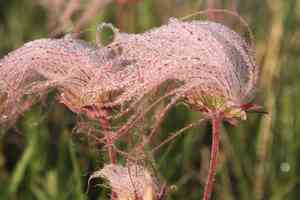
Featuring drooping pink blossoms and delicate seed tufts, Geum triflorum flourishes in adequately drained earth and ample sunlight. Snip off spent or withered blooms to foster a neat look and possible subsequent flowering. The timing is critical; early spring prior to flowering or late autumn once seeds have scattered guarantees vigor. Advantages of trimming encompass regulated plant dimensions, boosted development, and decreased pest issues. A particular point to remember: refrain from excessive cutting, as this can impede its inherent shape and seed dispersal.
What Are the Benefits of Pruning Prairie Smoke?
What Are the Benefits of Pruning Prairie Smoke?
Trimming prairie Smoke encourages stronger development, promotes abundant blossoms, and keeps a tidy form, enhancing the plant's health and aesthetic appeal.
What Is the Best Time for Pruning Prairie Smoke?
What Is the Best Time for Pruning Prairie Smoke?
Late spring and early summer are ideal for trimming prairie Smoke, allowing the plant to utilize early growth energy without disrupting its flowering period. Pruning in late spring as new growth appears ensures that damaged or unwanted shoots are removed before the plant invests more energy into them, thus fostering the development of healthy shoots and foliage. During early summer, after prairie Smoke has bloomed, trimming can help shape the plant and manage its size, while also encouraging a potential second bloom. Avoid fall pruning as this can stimulate new growth that may not harden off before winter, making the plant susceptible to frost damage.
What Tools Do I Need to Prune Prairie Smoke?
Hand Pruners (also known as secateurs)
Perfect for making precise cuts on prairie Smoke, enabling the removal of dead or overgrown stems without harming the plant's compact structure.
Gardening Shears (also known as clippers)
Suitable for cutting back larger sections of foliage if prairie Smoke becomes too dense, ensuring a neat and orderly plant shape while also encouraging healthy growth.
Gloves
Though not a cutting tool, gloves protect the gardener's hands from any rough foliage or stems during pruning prairie Smoke, providing a safer and more comfortable experience.
How to Prune Prairie Smoke
Disinfect Tools
Before you begin, sanitize your pruning tools to prevent disease transmission. You can do this by wiping them with alcohol or a bleach solution.
Remove Diseased Leaves
Carefully inspect prairie Smoke for diseased leaves. Use your cleaned pruning shears to snip away these leaves, cutting them back to the base to prevent further infection.
Trim Withered Leaves
Identify any withered or dead leaves on prairie Smoke and prune them at the base. This cleanup will encourage healthy growth and improve air circulation, which can reduce disease risk.
Cut Back Withered Flowers
Once the flowers of prairie Smoke have withered, cut the flower stems back to just above the foliage. This will help to maintain the plant's shape and promote new growth.
Clean Up
After pruning prairie Smoke, remove all the trimmed material from the area to decrease the likelihood of disease and pests. Dispose of the waste properly, especially if it includes diseased material.
Common Pruning Mistakes with Prairie Smoke
Overpruning
Removing too much foliage can stress prairie Smoke, leading to reduced vigor and fewer flowers.
Pruning Flowering Stems Too Early
Cutting back prairie Smoke before it finishes blooming can prevent the unique smoke-like seed heads from forming.
Cutting Into Old Wood
Prairie Smoke does not respond well to cutting into old, woody growth, which may not produce new shoots.
Neglecting Deadheading
Failing to remove spent flowers can limit prairie Smoke's potential for re-blooming.
Improper Tool Use
Using dull or dirty pruning tools can cause damage to prairie Smoke's stems, making them susceptible to disease.
Common Pruning Tips for Prairie Smoke
Deadhead Selectively
Carefully remove spent flowers to encourage a second wave of blooming without sacrificing the decorative seed heads.
Maintain Plant Form
Trim prairie Smoke to shape it while preserving its natural mound-like habit, being careful not to over prune.
Sanitize Tools
Clean and sharpen pruning tools before use to prevent the spread of disease and ensure clean cuts.
Promote Air Circulation
Thin out crowded stems selectively to increase air flow and reduce the risk of fungal diseases.
Timing Of Minimal Pruning
Perform light pruning as needed to remove damaged or dead stems to maintain the health of prairie Smoke without disturbing its growth cycle.



