How to Prune Salal?
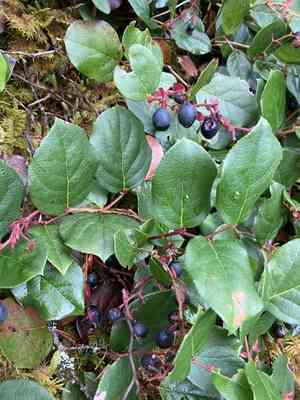
This perennial woody plant, recognized for its abundant, firm foliage and crimson-hued blossoms, flourishes in dim, wooded environments. The most effective trimming for salal entails excising deceased or injured limbs and sculpting to manage its dimensions. Execute these procedures in the latter part of spring or early summer, following the blooming period, to stimulate robust development and fruit yield. Trimming not only improves the plant's well-being and visual appeal but also fosters a more compact growth pattern, crucial for its utilization in garden designs.
What Are the Benefits of Pruning Salal?
What Are the Benefits of Pruning Salal?
Trimming salal promotes more abundant flowering and aids in preventing infestations, cultivating a strong plant less vulnerable to pests and illness.
What Is the Best Time for Pruning Salal?
What Is the Best Time for Pruning Salal?
During late spring, salal has typically finished its main growth period, meaning that trimming at this time can shape the plant without significantly affecting new development. Additionally, pruning before the summer heat minimizes stress on salal. Early summer is also appropriate because salal has likely bloomed, and pruning then helps avoid cutting off flower buds, which could reduce the subsequent season's blooms and fruit yield. Pruning in these seasons aligns with the plant's natural growth cycle and helps maintain its health, vigor, and aesthetic form.
What Tools Do I Need to Prune Salal?
Hand Pruners
Perfect for cutting through salal's stems that are less than 3/4-inch in diameter, hand pruners or secateurs allow precise cuts without harming the plant. Ensuring the pruners are sharp and clean will help make clean cuts that heal quickly and reduce the risk of disease.
Loppers
Suitable for larger, woody stems of salal up to 2 inches in diameter. The long handles provide leverage to make clean cuts on mature growth without straining the gardener's hands.
Pruning Saw
Essential for making cuts on salal stems thicker than 2 inches. A fine-toothed saw is preferred to make clean cuts through woody material, thus preventing tearing and enabling healthy regrowth.
Gloves
Protective gloves are crucial when pruning salal to shield the gardener's hands from scratches and potential irritation from the plant, as well as to maintain a good grip on the pruning tools.
Disinfectant
Using a disinfectant to clean the tools before and after pruning salal helps prevent the spread of disease between plants. Isopropyl alcohol or a 10% bleach solution can be used to sterilize the blades.
How to Prune Salal
Step1: Timing for Pruning
Determine the optimal time for pruning salal, which is late winter or early spring before new growth commences. This timing helps prevent disease and promotes vigorous growth after pruning.
Step2: Tool Sterilization
Sanitize your pruning tools with a solution of 1 part bleach to 9 parts water to prevent the spread of disease.
Step3: Cutting Dead Wood
Begin by removing any dead wood. Look for branches that lack leaves, are brittle, and snap easily. Cut these branches at the point where they meet healthy wood, ensuring no stubs are left. Angle cuts to promote water runoff and reduce disease risk.
Step4: Removing Diseased Branches
Next, prune diseased branches. These may exhibit discolored leaves, cankers, or other signs of plant illness. Remove these branches entirely, cutting back to a main stem or a healthy lateral branch, at least 6-12 inches below the affected portions.
Step5: Eliminating Suckers
Remove suckers, which are shoots growing from the roots or base of salal. Cut them as close to the base as possible to discourage regrowth and direct energy to the main plant.
Step6: Shaping and Thinning
After removing dead, diseased, and sucker growth, assess the shape of salal. Use heading cuts to shorten branches and thinning cuts to reduce density. This improves air circulation and light penetration.
Step7: Correct Cutting Technique
Make all cuts just above a leaf node or bud, ensuring that the bud is facing outwards. This encourages outward growth and helps maintain the natural shape of salal.
Step8: Post-Pruning Cleanup
After pruning, clear all debris from around salal to prevent the possibility of fungus or disease. Dispose of or destroy diseased material appropriately.
Step9: Post-Pruning Plant Care
Monitor salal for signs of stress or disease after pruning, and maintain a consistent watering and feeding schedule to support recovery and healthy growth.
Post-Pruning Care for Salal
Post-Pruning Care for Salal
Immediately after pruning salal, water thoroughly, ensuring moist soil without waterlogging. Adjust environmental factors to promote a stable recovery, with dappled sunlight, moderate humidity, and mild temperatures. Apply a balanced, slow-release fertilizer to support new growth. Regularly inspect salal for signs of distressâyellowing leaves, dieback, or unusual spotsâindicating potential stress or disease. Promptly mitigate adverse conditions by adjusting care routines, ensuring salal's vigorous regrowth and health.
Common Pruning Mistakes with Salal
Avoid Overpruning for Plant Health
Excessive pruning can be harmful to salal, potentially leading to reduced vigor and sparse foliage.
Don't Cut Into Old Non-Rejuvenating Wood
Cutting into old wood that may not produce new shoots can limit the plant's ability to rejuvenate and should generally be avoided.
Use Sharp, Clean Tools for Clean Cuts
Neglecting to use sharp, clean pruning tools could result in ragged cuts, exposing salal to pests and diseases.
Understand Plant Growth Before Pruning
Pruning indiscriminately without understanding the growth pattern of salal might lead to an undesirable plant shape and growth.
Remove Diseased or Damaged Branches Promptly
Not removing diseased or damaged branches can allow problems to persist and spread throughout salal.
Common Pruning Tips for Salal
Thin Out Crowded Branches to Improve Health
For maintaining the health and aesthetics of salal, focus on selectively thinning out crowded branches to increase light penetration and air circulation.
Cut Back Leggy Stems to Encourage New Growth
Encourage new growth and flowering in salal by cutting back leggy stems to a healthy set of leaves or budding node.
Prune After Flowering for Tidy Appearance
After flowering, perform light pruning to shape salal and remove spent flower clusters to promote a tidy appearance.
Remove Crossed and Damaged Branches for Better Energy Use
Identify and remove any crossed, diseased, or damaged branches to help salal conserve energy for healthy growth.
Gradual Rejuvenation Over Several Years
If rejuvenation is necessary, it should be done gradually over several years by pruning a third of the oldest stems down to the ground each year, allowing salal to recover without drastic reduction of foliage.
Follow Natural Form When Shaping Plants
When shaping salal, follow its natural form, enhancing its appearance without forcing it into an unnatural shape.



