How to Prune Tahitian gardenia?
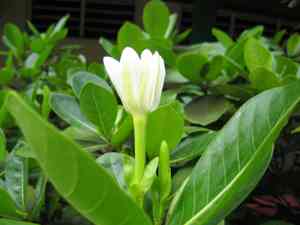
This perennial bush, recognized for its rich, creamy-white, highly aromatic blossoms, flourishes in temperate environments and demands particular attention to preserve its vibrant look. Trimming tahitian gardenia ought to concentrate on eliminating lifeless or ailing branches, sculpting to uphold an appealing shape, and fostering air movement. The ideal moment for pruning tahitian gardenia is subsequent to its primary blooming phase, generally in winter. Performing this task during its inactive stage lessens strain on tahitian gardenia and stimulates vigorous development in the subsequent period. Consistent trimming boosts flowering and the plant's general well-being.
What Are the Benefits of Pruning Tahitian Gardenia?
What Are the Benefits of Pruning Tahitian Gardenia?
Trimming tahitian gardenia promotes robust development and helps keep its desired form. Regularly removing old or overgrown limbs fosters a healthier structure, improving air circulation and lowering disease risk.
What Is the Best Time for Pruning Tahitian Gardenia?
What Is the Best Time for Pruning Tahitian Gardenia?
Pruning in late winter or early spring allows tahitian gardenia to recover quickly as it enters its active growth phase. Trimming at this time prevents the removal of the upcoming season's flower buds, ensuring tahitian gardenia can display its full blooming potential. This timing also helps to manage the size and shape of tahitian gardenia, promoting vigorous growth and better air circulation through the plant, which reduces the risk of diseases. Additionally, any damage caused by winter weather can be corrected before the new growth starts.
What Tools Do I Need to Prune Tahitian Gardenia?
Bypass Pruners
Perfect for making clean cuts on tahitian gardenia's smaller stems and branches, ensuring minimal harm to the plant tissue and encouraging rapid healing.
Pruning Shears
Useful for shaping or deadheading tahitian gardenia, allowing precision in snipping away unwanted or dead blossoms to maintain plant health and appearance.
Loppers
Tahitian gardenia may have some thicker branches that are out of the reach of standard pruners; loppers provide the necessary leverage to make clean cuts without damaging the plant.
Pruning Saw
For mature tahitian gardenia with branches too thick for loppers, a pruning saw allows for the removal of these larger limbs without tearing or harming the plant.
How to Prune Tahitian Gardenia
Clean Tools
Before pruning tahitian gardenia, clean all pruning tools to prevent the spread of disease. Disinfect shears or saws with a 10% bleach solution or alcohol.
Dead Branches
Identify and remove any dead branches from tahitian gardenia. Cut these branches at the point where they meet healthy wood, making a clean cut without leaving a stub.
Diseased Branches
Inspect tahitian gardenia for diseased branches, indicated by discoloration or unusual growth. Prune these branches back to healthy tissue, ensuring to cut into unaffected wood.
Disposal
Dispose of all removed dead or diseased material from tahitian gardenia immediately to prevent the potential spread of pests or diseases.
Cleanup
After pruning tahitian gardenia, clean up all fallen debris around the plant to maintain a tidy environment and discourage pests.
Common Pruning Mistakes with Tahitian Gardenia
Overpruning
Removing too much foliage at once can stress tahitian gardenia, leading to poor growth and reduced flowering. It's crucial to prune no more than one-third of the growth to maintain plant health.
Improper Cut Locations
Making cuts too far from a bud or node can result in dead stubs that invite pests and diseases. Conversely, cutting too close can damage the bud, hindering its development.
Uneven Pruning
Pruning tahitian gardenia unevenly can result in a lopsided plant. It's important to prune symmetrically to maintain the aesthetic appeal and balance of the plant.
Using Dull Tools
Dull pruning tools can crush stems and branches, creating jagged cuts that impair healing and make tahitian gardenia more susceptible to infections.
Pruning Without Disinfecting
Failing to disinfect tools between cuts and plants can spread diseases. Clean cuts and sterilized tools are essential for the health of tahitian gardenia.
Neglecting Diseased Material
Leaving diseased branches or failing to dispose of them properly can lead to reinfection. It's critical to cut out all diseased material and dispose of it away from healthy plants.
Common Pruning Tips for Tahitian Gardenia
Correct Cut Angle
Make cuts at a 45-degree angle about 1/4 inch above an outward-facing bud or leaf node. This encourages water runoff and new growth away from the center of tahitian gardenia.
Selective Pruning
Focus on removing only dead, diseased, or damaged branches and any weak or crossing stems to improve air circulation and light penetration, which benefits overall health and flowering.
Tool Maintenance
Use sharp, clean pruning shears or loppers for clean cuts that heal quickly. Regular maintenance of tools also ensures precision in making cuts.
Gentle Reshaping
For shaping tahitian gardenia, prune gradually over time rather than all at once. This approach minimizes stress on the plant and allows for correction of mistakes.
Post-Pruning Care
After pruning, provide tahitian gardenia with adequate water and possibly a balanced fertilizer to support recovery and robust growth.
Hygiene Practice
Disinfect tools before moving to another plant or after cutting through diseased material to prevent spreading pathogens to tahitian gardenia.



