How to Prune Chihuahuan ash?
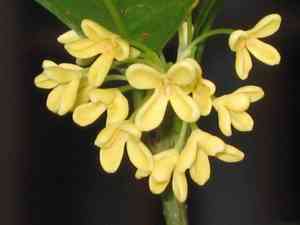
Recognized for its spherical crown and composite foliage, chihuahuan ash thrives with trimming in late winter to early spring prior to the emergence of new shoots. Essential methods involve excising deceased or ailing limbs, reducing dense sections, and sculpting the crown to improve air circulation and light access. Trimming chihuahuan ash not only fosters a more robust framework but also deters potential insect problems. Always employ sanitized, keen implements to prevent harm to the specimen.
What Are the Benefits of Pruning Chihuahuan Ash?
What Are the Benefits of Pruning Chihuahuan Ash?
Pruning chihuahuan ash encourages robust development and helps maintain its desired form. It also enhances air circulation, lowers disease risk, and promotes stronger limb growth. Regular trimming ensures the plant stays healthy and well-structured.
What Is the Best Time for Pruning Chihuahuan Ash?
What Is the Best Time for Pruning Chihuahuan Ash?
Trimming chihuahuan ash in early spring or late winter is optimal as these periods precede active growth, preventing sap loss. Pruning then minimizes plant stress and stimulates healthy new growth. This timing also allows removal of winter-damaged branches before the growing season, preserving chihuahuan ash's health and structure. Additionally, pruning in these seasons avoids disrupting flowering or fruiting, letting the plant focus energy on blooms and fruits at appropriate times.
What Tools Do I Need to Prune Chihuahuan Ash?
Bypass Pruners
Perfect for clean cuts on small branches and twigs up to 1 inch in diameter. Ensures accuracy and minimal plant harm.
Lopping Shears
Suitable for removing thicker branches, typically 1 to 2 inches in diameter. Their long handles offer increased leverage.
Pruning Saw
Essential for cutting larger branches beyond lopping shears' capacity. A curved or straight saw with a coarse blade is best.
Pole Pruner
Allows trimming of higher branches without a ladder. Useful for maintaining tree shape and removing dead or diseased limbs.
Anvil Pruners
Can be used for cutting dry or dead wood, but generally not advised for live branches due to crushing action that can cause damage.
How to Prune Chihuahuan Ash
Identify
Inspect chihuahuan ash to find any dead or diseased branches needing removal. Dead branches lack leaves and may be brittle. Diseased branches might show discolored bark, fungal growth, or unusual lesions.
Prepare tools
Gather necessary pruning tools like hand pruners, loppers, or a pruning saw. Ensure all tools are clean and sharp to prevent disease spread and make clean cuts.
Remove dead
Start by cutting away dead branches. Cut back to where the branch meets a healthy part of the plant, making clean, angled cuts for proper healing.
Remove diseased
Carefully prune diseased branches by cutting at least 6 inches below the affected area into healthy wood. Sanitize pruning tools between each cut to prevent further disease spread.
Dispose
Properly dispose of removed dead and diseased branches. Do not compost these materials as they can harbor pathogens. Instead, discard them according to local plant waste guidelines.
Common Pruning Mistakes with Chihuahuan Ash
Incorrect technique
Using improper cutting tools or methods can harm chihuahuan ash's branches, potentially leading to infections or poor regrowth.
Over-pruning
Removing too much of the tree at once can stress chihuahuan ash, hinder its photosynthesis, and impact its overall health.
Under-pruning
Failing to remove dead or diseased branches can impede healthy branch growth and reduce airflow within the tree's canopy.
Pruning at the wrong time
Choosing the wrong time to prune can disrupt chihuahuan ash's natural growth cycles and affect its development and flowering. Research the optimal season for your climate.
Topping
Cutting the top of chihuahuan ash can result in weak limb structure and encourage disease or pest issues.
Common Pruning Tips for Chihuahuan Ash
Use sharp tools
Always use sharp, clean pruning tools to make precise cuts and minimize damage to chihuahuan ash. Disinfect tools between cuts to prevent disease spread.
Remove dead wood first
Begin by removing any dead, damaged, or diseased branches, which helps maintain the tree's health and promotes vigorous growth.
Maintain structure
Focus on maintaining a balanced and open branch structure, allowing light and air to penetrate the canopy, reducing fungal disease risk.
Cut at the branch collar
Make cuts just outside the branch collar (the swollen area where the branch meets the trunk), as this helps the tree heal more effectively.
Limit cuts to a third
Do not remove more than one-third of the treeâs canopy in a single pruning session to reduce stress and prevent shock to chihuahuan ash.
Encourage central leader
Promote a strong central leader by removing competing branches that could weaken the main structure of chihuahuan ash.



