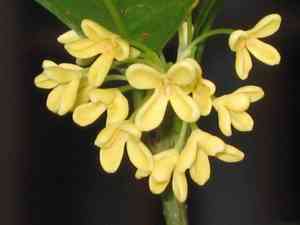
Chihuahuan ash (Fraxinus papillosa)
Also known as: Scrub ash, Papillose ash
Chihuahuan ash trees are deciduous with distinctive, textured leaves and winged seeds. They flourish in well-drained soils, including sandy, loamy, and rocky types. These trees prefer full sun but can tolerate partial shade. Known for their hardy bark and vibrant foliage, Chihuahuan ash trees are both resilient and visually appealing, making them a popular choice for landscaping. They do best in slightly acidic to slightly alkaline soils and require good drainage to avoid root rot.
In This Article
Attributes of Chihuahuan ash
Lifespan
Perennial
Plant Type
Tree
Plant Height
3-10 meters
Spread
2-5 meters
Leaf Color
Green
Flower Size
1-2 mm (flowers are small and inconspicuous)
Flower Color
Green to purple
Images of Chihuahuan ash
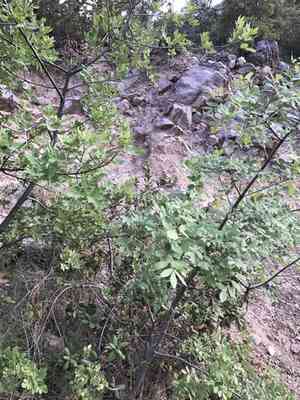
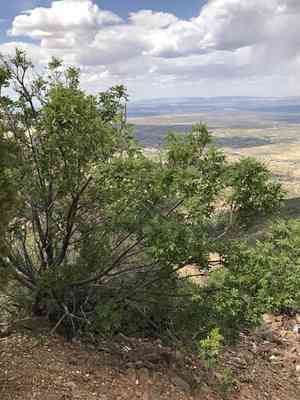
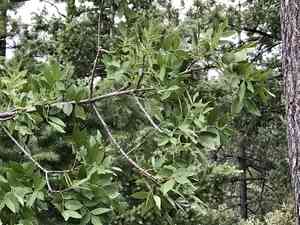
Quickly Identify Chihuahuan ash
1
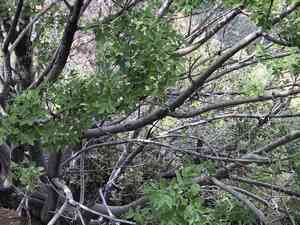
To identify Fraxinus papillosa, look for its opposite, pinnately compound leaves with 5-9 leaflets. The leaflets are typically between 4-10 cm long. The tree has grey to brown bark, which is smooth on young trees but becomes fissured with age. Its samaras, or winged seeds, are also a distinctive feature.
Scientific Classification of Chihuahuan ash
Phylum
Vascular plants
Class
Dicotyledons
Order
Lamiales
Family
Olive
Genus
Ashes
Species
Chihuahuan ash
Planting and Growing of Chihuahuan ash
Care Difficulty
Moderate
Watering Schedule
Every 2 days
Sunlight Requirements
Partial sun
Sunshine Duration
6-10 hours
Ideal Temperature
60-75℉
Soil Type
Potting Mix, Peat Mix
Soil pH
6.5-7.5
Fertilizer Type
Balanced
Pruning Season
Spring, Summer
Pruning Area
Branches, Leaves
Pruning Frequency
2 times a year
Repotting Season
Spring
Pot Type
Plastic, Ceramic
 How to Water Chihuahuan ash?
For Fraxinus papillosa, it's important to let the water seep into the soil thoroughly until it reaches a depth of about 18 inches. This ensures that the root system receives enough moisture, without creating waterlogging that could lead to root rot.
What are the symptoms of an underwatered Chihuahuan ash?
›
What should I do if my Chihuahuan ash is not getting enough water?
›
What are the symptoms of an overwatered Chihuahuan ash?
›
How to save an overwatered Chihuahuan ash?
›
 What Are the Sunlight Requirements for Chihuahuan ash?
Fraxinus papillosa benefits best from partial sunlight, where it gains energy for photosynthesis without becoming scorched. Ideal lighting fosters lush growth, minimizes stress, and enhances the plant's aesthetic appeal, keeping leaves vibrant and branches healthy.
What is the best lighting for Fraxinus papillosa?
›
Why is partial sunlight important for Fraxinus papillosa?
›
How can I ensure Fraxinus papillosa receives enough but not too much sunlight?
›
 What Is the Ideal Temperature Range for Chihuahuan ash?
Fraxinus papillosa thrives best in temperatures ranging from 60°F to 75°F. This range provides the optimal conditions for photosynthesis, nutrient uptake, and overall growth. At these temperatures, the metabolic processes of the plant function effectively, promoting strong root development and healthy foliage.
 What Soil is Best for Chihuahuan ash?
Fraxinus papillosa thrives in soil with good moisture retention. Adequate moisture helps in the proper growth of roots and foliage, ensuring lush development. Retentive soil minimizes the need for frequent watering and helps maintain a stable growing environment. Rich, fertile soils support the growth of Fraxinus papillosa by providing essential nutrients. Well-nourished soil encourages healthy root development and vigorous vegetative growth. The natural nutrient cycle in nutrient-rich soil means less dependence on artificial fertilizers. While Fraxinus papillosa requires moisture, it also benefits from well-draining soil to prevent waterlogging. Proper drainage ensures roots do not suffocate and prevents diseases related to excessive moisture. This balance enhances the overall health and resilience of the plant.
 How to Fertilize Chihuahuan ash?
Fraxinus papillosa is quite moderate in its fertilizer needs. When using liquid fertilizer, dilute it to half the recommended strength to avoid over-fertilizing. Apply about 1 liter per plant, ensuring even distribution around the root zone. For slow-release fertilizers, apply roughly 200 grams per plant, ensuring you follow the manufacturer's instructions meticulously.
 How to Prune Chihuahuan ash?
Identify and remove any dead, damaged or diseased branches. Make cuts just outside the branch collar to help the tree heal effectively. Selectively prune branches to open up the canopy, allowing better air circulation. This helps reduce the incidence of fungal diseases and promotes a healthier tree. Continuous pruning helps maintain the natural shape of the ash tree. Focus on preserving the tree's natural form while removing any excessive growth.
More About Pruning Techniques→
 How to Propagate Chihuahuan ash plant?
1
Collect seeds from mature Fraxinus papillosa fruits in autumn. Clean and dry them before storing in a cool, dry place until spring sowing. Stratification may improve germination rates.
2
In early spring, select healthy branches for cuttings. Slices should be 6-8 inches long and include at least one set of leaves at the top. Use sterilized pruning shears to avoid disease.
3
Insert the cut end of the cutting into a pot filled with a mixture of soil and sand. Ensure at least one node is submerged in soil. Water thoroughly and cover with a plastic bag to maintain humidity.
 How to Repot Chihuahuan ash plant?
1
You'll know it's time to repot Fraxinus papillosa when roots start to grow out of the drainage holes or the growth of the plant seems stunted. The best signal is when the soil no longer holds water well, indicating the plant is root-bound.
2
Select a pot that's 2-3 inches larger in diameter than the current one. Ensure it has adequate drainage holes to prevent waterlogging. Bigger pots give roots room to expand, promoting healthier growth and reducing the need for frequent repotting.
3
Opt for a well-draining, loamy soil that retains some moisture but allows excess to drain away. This type of soil prevents root rot and encourages strong root structure, essential for the health of Fraxinus papillosa.



