How to Prune Texas swampprivet?
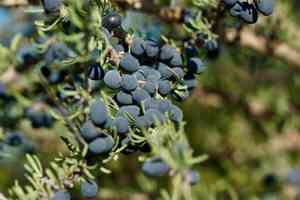
Texas swampprivet is a resilient shrub distinguished by its thick leaves and tiny, aromatic blossoms. Essential trimming methods include reducing older limbs to facilitate light access and air movement. The ideal period for pruning is early spring, right before fresh shoots emerge. Trimming texas swampprivet encourages more robust development and improves bloom production. Cultivators ought to concentrate on eliminating lifeless or ailing branches to preserve the plant's vigor. Prompt pruning also assists in efficiently controlling the plant's form and dimensions.
What Are the Benefits of Pruning Texas Swampprivet?
What Are the Benefits of Pruning Texas Swampprivet?
Trimming texas swampprivet encourages robust development and maintains its form. It enhances air movement, lessens pest and illness problems, and promotes more abundant blooms and fruits. Regular trimming can also manage size and improve the plant's overall look.
What Is the Best Time for Pruning Texas Swampprivet?
What Is the Best Time for Pruning Texas Swampprivet?
Trimming in early spring is optimal for texas swampprivet as it allows ample recovery prior to the active growth period. By pruning just before new growth emerges, the plant can focus its energy on healing and developing fresh shoots, leading to a more vigorous and healthy appearance. Furthermore, this timing avoids disrupting the flowering or fruiting cycles, ensuring the plant can still produce blossoms and berries effectively. Early spring pruning also helps reduce the risk of diseases and pests that are more common during warmer and wetter months.
What Tools Do I Need to Prune Texas Swampprivet?
Hand Pruners
Perfect for making precise cuts on smaller branches and twigs. Essential for maintaining the shape and health of texas swampprivet.
Loppers
Useful for cutting through medium-sized branches that are too thick for hand pruners. Necessary for reaching higher branches and handling thicker growths.
Pruning Saw
Efficient for removing larger branches. Critical for texas swampprivet, which can have denser and thicker branches needing more robust tools.
Bypass Loppers
Best for clean cuts on live wood, preventing damage and disease in texas swampprivet. Important for ensuring smooth cuts that do not crush the stems.
Pole Pruner
Allows for pruning higher branches without the need for a ladder. Essential for maintaining the overall structure and health of taller texas swampprivet plants.
How to Prune Texas Swampprivet
Assess
Examine texas swampprivet thoroughly to identify diseased leaves, withered leaves, dead branches, and diseased branches. Look for discoloration, wilt, cracking, or any signs of fungal infection.
Prepare
Ensure you have clean, sharp pruning shears. Disinfect the tools using a solution of one part bleach to nine parts water to prevent the spread of disease.
Trim diseased leaves
Remove all visibly diseased leaves by cutting them at their base. Ensure you dispose of the cut leaves appropriately to avoid contaminating the soil or other plants.
Trim diseased branches
Cut away any diseased branches. Make your cuts at least six inches below any symptoms to ensure complete removal of the infected tissue. Dispose of the branches properly.
Trim dead withered parts
Snip off dead branches and withered leaves. Dead branches can be identified by their brittle nature and lack of green tissue inside when a small scrape is made on the bark. Withered leaves can appear dry and lifeless.
Common Pruning Mistakes with Texas Swampprivet
Over-pruning
Removing too much foliage can stress texas swampprivet, inhibit growth, and reduce flowering potential.
Incorrect pruning techniques
Using dull or unsterilized tools can cause jagged cuts and increase the risk of disease.
Late pruning
Pruning too late can remove flower buds, leading to a lack of blooms in the subsequent growing season.
Ignoring structural problems
Failing to address crossing branches or weak limbs can result in poor plant structure and potential breakage.
Common Pruning Tips for Texas Swampprivet
Use clean, sharp tools
Ensure pruning shears and saws are sanitized and sharp to make clean cuts, reducing the risk of disease.
Start with dead or damaged wood
Remove any dead, damaged, or diseased branches first to encourage healthy growth.
Thin out crowded areas
Prune to open up the interior of texas swampprivet, which improves air circulation and light penetration, promoting better overall health.
Maintain natural shape
Follow the plant's natural form when pruning to avoid drastic changes that can stress texas swampprivet.
Prune for structural integrity
Regularly address crossing, rubbing, or weak branches to maintain a strong, healthy plant structure.



