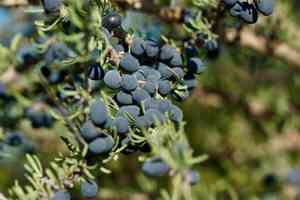
Texas swampprivet (Forestiera angustifolia)
Also known as: Narrowleaf forestiera
The Texas swampprivet is a tough, deciduous shrub commonly found along North American riverbanks and floodplains. Its slender leaves and thick, twiggy branches create an essential environment for wildlife. This versatile plant flourishes in full sunlight and can withstand both dry periods and wet soils, making it an important and adaptable part of riparian habitats.
In This Article
Attributes of Texas swampprivet
Lifespan
Perennial
Plant Type
Shrub
Plant Height
91 cm to 1.8 m
Spread
Up to 3 meters (10 feet)
Leaf Color
Green
Flower Size
Less than 1 cm (0.4 inches)
Flower Color
Yellowish-green
Images of Texas swampprivet
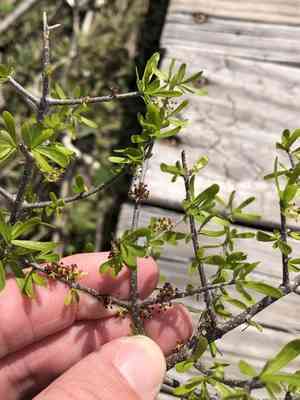
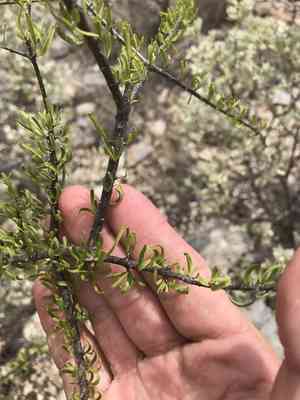
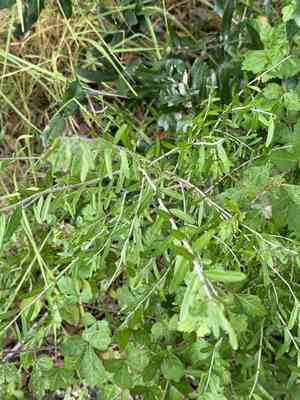
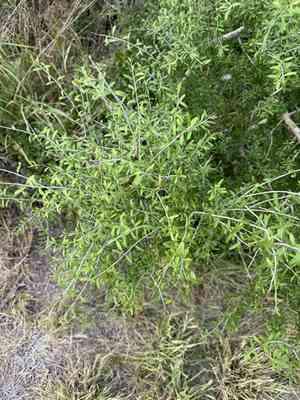
Quickly Identify Texas swampprivet
1
Forestiera angustifolia can be identified by its narrow, elongate leaves, typically 2-6 cm long. The flowers are small and inconspicuous, yellowish-green, and bloom before the leaves appear. The shrub has an irregular branching pattern and may appear somewhat scraggly.
Scientific Classification of Texas swampprivet
Phylum
Vascular plants
Class
Dicotyledons
Order
Lamiales
Family
Olive
Genus
Swampprivets
Species
Texas swampprivet
Planting and Growing of Texas swampprivet
Care Difficulty
Easy
Watering Schedule
Every 2 days
Sunlight Requirements
Full sun
Sunshine Duration
6-10 hours
Ideal Temperature
65-75℉
Soil Type
Potting Mix, Peat Mix
Soil pH
6.5-7.5
Fertilizer Type
Balanced
Pruning Season
Spring, Summer
Pruning Area
Branches, Leaves
Pruning Frequency
2 times a year
Repotting Season
Spring
Pot Type
Terracotta, Plastic
 How to Water Texas swampprivet?
Forestiera angustifolia, commonly known as Texas olive, loves consistency when it comes to watering. The goal is to provide enough moisture to evenly saturate the root zone, which typically requires about 500 ml of water per session. This amount provides a steady replenishment without overwhelming the plant, keeping its roots happy.
What are the symptoms of an underwatered Texas swampprivet?
›
What should I do if my Texas swampprivet is not getting enough water?
›
What are the symptoms of an overwatered Texas swampprivet?
›
How to save an overwatered Texas swampprivet?
›
 What Are the Sunlight Requirements for Texas swampprivet?
Forestiera angustifolia ideally needs full to partial sun exposure. The ideal light conditions ensure lush growth, enhance flowering, and promote a strong, disease-resistant structure by facilitating maximum photosynthetic activity.
How much sunlight does Forestiera angustifolia need?
›
What solutions provide ideal lighting for Forestiera angustifolia?
›
What are the benefits of ideal lighting for Forestiera angustifolia?
›
 What Is the Ideal Temperature Range for Texas swampprivet?
Forestiera angustifolia thrives best in environments where the temperature is consistently between 65°F and 75°F. These conditions mimic its natural habitat, ensuring optimal growth and vitality.
 What Soil is Best for Texas swampprivet?
Forestiera angustifolia thrives in well-draining soil that prevents root rot by allowing excess water to escape quickly. This ensures healthy root development and reduces the risk of fungal infections. A nutrient-rich soil mix supports the plant's lush leaf growth and robust overall health. Essential nutrients like nitrogen, phosphorus, and potassium in the soil are vital for photosynthesis and flowering. Maintaining a soil pH between 6.5 and 7.5 is crucial for optimal nutrient uptake in Forestiera angustifolia. This range allows the plant to absorb essential minerals effectively, supporting its growth and bloom.
 How to Fertilize Texas swampprivet?
When fertilizing Forestiera angustifolia, use a balanced, all-purpose fertilizer at a rate of 1/4 cup per plant for slow-release granules. If you opt for liquid fertilizers, dilute them to half the recommended strength to avoid burning the roots.
 How to Prune Texas swampprivet?
Always use clean, sharp pruning shears or loppers. This will make precise cuts, reducing damage and preventing the spread of pathogens. Forestiera angustifolia has a natural, somewhat irregular shape. Prune strategically to maintain its form, avoiding drastic changes that could stress the plant. Prune in early spring before new growth starts, and again in autumn after the plant has completed its active growing period. This timing helps minimize stress on the plant.
More About Pruning Techniques→
 How to Propagate Texas swampprivet plant?
1
Harvest mature seeds from healthy Forestiera angustifolia plants during autumn. Store them in a dry, cool place until the planting season.
2
Select young, healthy branches in spring. Use sterilized shears to cut 4-6 inch long sections, stripping leaves from the lower part.
3
Plant seeds or insert cuttings into pots filled with moist potting mix. Ensure seeds are lightly covered and cuttings are inserted about halfway into the mix.
 How to Repot Texas swampprivet plant?
1
Forestiera angustifolia shows signs it needs repotting when its roots start appearing from the drainage holes, or the plant looks root-bound. Another time to consider repotting is when the growth of the plant slows down, indicating it needs more space. Repotting is best done in Spring or Autumn for optimal plant health and adjustment.
2
Choose a pot that is slightly larger than the current one, with adequate drainage holes. Size is important as it gives roots room to grow, while drainage holes prevent overwatering. Clay pots are a good choice as they provide breathability, preventing moisture buildup around the roots.
3
Opt for a well-draining, sandy soil mix. This type of soil ensures proper water drainage and aeration, essential for Forestiera angustifolia's root health. Sandy soil mimics its natural habitat, promoting healthy growth by preventing root rot and ensuring sufficient airflow.
Learn More About Texas swampprivet Diseases
Anthracnose
Bacterial Leaf Spot
Bacterial Wilt
Crown Gall
Damping-off
Downy Mildew
Drought Stress
Fusarium Wilt
Gray Mold
Leaf Curl
Leaf Spot
Mosaic
Nutrient Deficiency
Nutrient Toxicity
Powdery Mildew
Root Rot
Root-knot Nematode
Rusts
Sooty Mold
Spider Mites
Temperature Stress
Thrips Damage
White Mold



