How to Prune Wild hops?
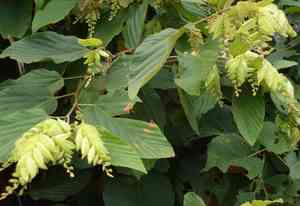
A perennial bush recognized for its thick leaves and purple to lavender blossoms, wild hops flourishes with consistent trimming to preserve its form and foster vigorous development. Perform pruning in early spring or late winter, focusing on lifeless or frail stalks to improve air movement and light exposure. Deliberate cuts also stimulate fresh sprouts, encouraging a more condensed and visually appealing structure. Trimming guarantees the vigor of wild hops, potentially boosting bloom output and general well-being.
What Are the Benefits of Pruning Wild Hops?
What Are the Benefits of Pruning Wild Hops?
Trimming wild hops promotes robust development and assists in managing its dimensions and form, ensuring the plant stays healthy and visually appealing in garden settings.
What Is the Best Time for Pruning Wild Hops?
What Is the Best Time for Pruning Wild Hops?
Trimming wild hops in late winter or early spring is beneficial as it allows the plant to recover and channel its energy into new growth effectively. Late winter pruning prepares wild hops for a strong start to the upcoming growing season by removing dead or damaged limbs before the plant enters its active growth phase. In early spring, prior to the emergence of new leaves or flowers, the structure of wild hops is more visible, simplifying selective pruning. This timing also minimizes the risk of wild hops developing diseases, as many pathogens are less active during colder periods. Furthermore, pruning wild hops before its rapid spring growth ensures that cuts heal quickly, and the plant's energy is directed towards producing new shoots, leaves, and potentially flowers or fruits, rather than sustaining unproductive or diseased parts. It also helps maintain the desired shape and size of wild hops, encouraging a more controlled and aesthetically pleasing appearance.
What Tools Do I Need to Prune Wild Hops?
Hand Pruners
Crucial for making clean cuts on branches up to ¾ inch in diameter, suitable for young or small wild hops branches. Hand pruners offer precision and are easy to handle for detailed shaping.
Lopping Shears
Designed for cutting through thicker branches, typically between 1½ to 2 inches in diameter, making them ideal for mature wild hops that require more substantial trimming.
Pruning Saw
For the thickest branches of wild hops that lopping shears cannot manage, a pruning saw can make clean cuts without harming the plant.
Hedge Shears
Useful for trimming and shaping wild hops if it is being cultivated as a hedge or for maintaining a specific form. They are not for use on thick branches but are perfect for cutting back large areas of overgrown, thinner stems.
Pole Pruner
Enables the gardener to reach higher branches without needing a ladder, ensuring safety while trimming tall specimens of wild hops.
How to Prune Wild Hops
Inspect
Examine wild hops thoroughly, focusing on identifying diseased leaves, withered leaves, dead branches, and diseased branches for removal.
Sanitize
Clean and sterilize pruning tools before and after use to prevent the spread of disease while pruning wild hops.
Cut leaves
Using sharp, clean shears, carefully prune away diseased and withered leaves close to the stem of wild hops, ensuring not to damage healthy tissue.
Remove branches
For dead or diseased branches, make clean cuts at a 45-degree angle just above a bud, leaf node, or the branch collar, taking care not to leave stubs that could hinder wild hops's healing process.
Disposal
Properly dispose of all removed material away from wild hops to minimize the risk of disease reinfection.
Common Pruning Mistakes with Wild Hops
Overpruning
Removing too much foliage at once can shock wild hops, leading to stress and potential dieback, which impedes the plant's growth and flowering ability.
Improper cut placement
Cuts made too far from the bud or node can result in dead stubs, while cuts too close can damage the bud; both errors risk the health of wild hops.
Using dull tools
Pruning with blunt instruments can cause jagged cuts that don't heal well, leaving wild hops susceptible to disease and pests.
Neglecting to prune
Failing to remove dead or diseased branches can hinder wild hops's growth and promote the spread of disease throughout the plant.
Random pruning
Randomly cutting without a clear objective can result in uneven growth and a lack of direction, which impacts the aesthetics and health of wild hops.
Disregarding pest infestation
Pruning without checking for pests can spread infestations to healthy areas of wild hops, exacerbating pest problems.
Common Pruning Tips for Wild Hops
Sharp clean tools
Use sharp, sanitized pruning tools to make clean, precise cuts on wild hops, reducing the risk of disease and pest infestations.
Cut at an angle
Make angled cuts above buds or nodes to prevent water build-up and promote quick healing in wild hops.
Identify growth pattern
Understand the natural growth pattern of wild hops to make informed pruning decisions that encourage healthy growth and flowering.
Prune dead material
Regularly prune dead or diseased branches to maintain the vigor of wild hops and prevent disease spread.
Thin crowded areas
Thin out crowded branches to ensure proper air circulation, allowing sunlight to penetrate and reduce the risk of fungal infections in wild hops.
Maintain plant shape
Prune wild hops to maintain its natural shape, taking care to encourage the desired form and removing any wayward or crossing branches.



