How to Prune Indian coffee plum?
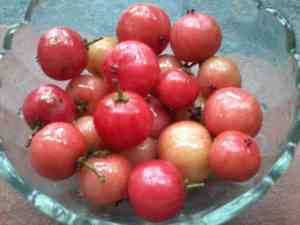
The Indian coffee plum, a tropical fruit-bearing shrub recognized for its characteristic hedge-like appearance and expansive foliage, benefits significantly from routine trimming. The most suitable period for pruning is during winter, following the harvest, as the plant's dormant state facilitates recuperation and guarantees vigorous development in the spring. Consistent cutting helps preserve its form and dimensions, while also stimulating fruit generation. Eliminate any lifeless or ailing branches, reduce congested limbs, and shorten excessive growth to foster better air movement. This horticultural practice not only boosts productivity but also deters prevalent pests and illnesses.
Advantages of Trimming Indian Coffee Plum
Advantages of Trimming Indian Coffee Plum
Trimming indian coffee plum promotes robust development and helps maintain its desired form. Regular cutting eliminates dead or weak branches, stimulating new growth and enhancing yield. It prevents overcrowding, allowing sunlight and air to reach the canopy, improving overall plant health and fruit quality.
Optimal Time for Pruning Indian Coffee Plum
Optimal Time for Pruning Indian Coffee Plum
Pruning indian coffee plum from late winter to early spring is ideal as the plant is still dormant, minimizing stress and lowering the risk of disease transmission through cuts. This timing allows for shaping the plant and removing damaged or diseased branches before new leaves appear, fostering healthier growth and better light and air access. Additionally, pruning before the spring growth spurt ensures the plant's energy is directed towards producing new, healthy growth instead of supporting unnecessary branches. Since indian coffee plum flowers and fruits on new growth, pruning at this time also encourages abundant flowering and fruiting in the upcoming season.
Tools Required for Pruning Indian Coffee Plum
Hand Pruners
For cutting small branches and twigs on indian coffee plum, sharp, bypass hand pruners are perfect. They provide a clean cut that helps prevent damage to the plant's bark and cambium layer.
Loppers
Loppers are useful for cutting thicker branches of indian coffee plum that hand pruners cannot manage. Their long handles offer leverage for clean cuts through branches up to 1 1/2 inches in diameter.
Pruning Saw
For the thickest branches of indian coffee plum, a pruning saw is essential. Its serrated blade allows it to cut through branches over 1 1/2 inches thick that loppers cannot handle.
Hedge Shears
Indian coffee plum may need shaping for a hedge or to maintain a specific form. Hedge shears are designed for trimming and shaping, enabling even and precise cuts over larger areas of foliage.
Pole Pruner
When branches of indian coffee plum are out of reach, a pole pruner is recommended. It allows you to prune higher limbs without needing a ladder, ensuring safety and convenience.
How to Prune Indian Coffee Plum
Identify and clean
Locate all dead and diseased branches on indian coffee plum. Ensure your pruning tools are sharp and disinfected to prevent disease spread during the pruning process.
Cut dead branches
Using appropriate tools, such as secateurs or loppers, remove all dead branches. Make cuts at a 45-degree angle, about 1/4 inch above a healthy bud or branch collar to promote proper healing and prevent water accumulation.
Remove diseased branches
Carefully remove any diseased branches on indian coffee plum, cutting well into healthy wood to ensure all diseased material is eliminated. After each cut, sanitize your tools with a solution of 1 part bleach to 9 parts water to avoid contaminating healthy branches.
Thinning
Thin out crowded branches to improve air circulation, which helps reduce the risk of disease and pest infestation in indian coffee plum. Leave healthy, well-spaced branches to allow for ample sunlight penetration and growth.
Cleanup
Gather and dispose of all removed branch material from around indian coffee plum to minimize the chance of disease spread. Do not compost diseased material, as this can contaminate your compost.
Common Pruning Errors with Indian Coffee Plum
Over-pruning
Removing too much foliage at once can stress indian coffee plum, hindering its ability to photosynthesize and grow properly.
Improper cutting technique
Making cuts too close or too far from the node can create wounds that heal poorly, leading to disease susceptibility for indian coffee plum.
Using dull tools
Utilizing unsharpened pruning tools can result in jagged cuts that make indian coffee plum more susceptible to pest and disease.
Disregarding plant structure
Failing to consider the natural growth habit of indian coffee plum can lead to a loss of its aesthetic form and weaken its structure.
Pruning too frequently
Excessively cutting back indian coffee plum can lead to weak, spindly growth and reduce the overall vigor of the plant.
General Pruning Advice for Indian Coffee Plum
Clean equipment
Use sterilized and sharp pruning tools to make clean cuts and prevent the spread of disease to or from indian coffee plum.
Consider growth pattern
Understand the growth habit of indian coffee plum to guide pruning decisions that will maintain a pleasing shape and encourage flowering.
Selective thinning
Thin out crowded branches to facilitate light penetration and air circulation, which promotes the health of indian coffee plum.
Prune for form
Retain the strongest and most well-placed branches to preserve the natural shape and structural integrity of indian coffee plum.
Proper cut placement
Make cuts at a 45-degree angle just above outward-facing buds to encourage outward growth and prevent water accumulation that could lead to disease in indian coffee plum.



