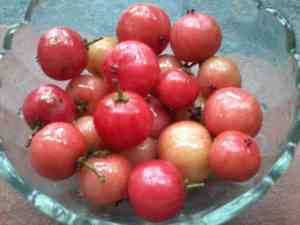
Indian coffee plum (Flacourtia jangomas)
Also known as: Rukam, Indian cherry, Scramberry
A good and cost-effective alternative to teak in India is the Indian coffee plum (Flacourtia jangomas). This plum tree thrives in various regions, from lowlands to highlands, and is valued both for its durable wood and its fruit. The wood serves as an economical replacement for expensive hardwoods like teak. Additionally, its fruit is popular in South and Southeast Asia, often used in making preserves and pickles.
In This Article
Attributes of Indian coffee plum
Lifespan
Perennial
Plant Type
Tree, Shrub
Plant Height
4-10 meters
Spread
3-6 meters
Leaf Color
Green
Flower Size
Approximately 0.5 cm
Flower Color
Yellow Green
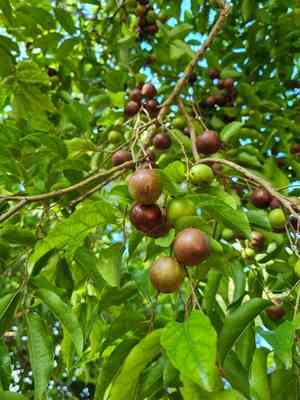
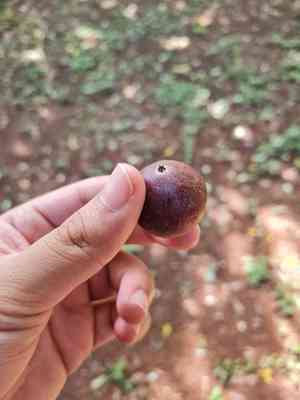
Images of Indian coffee plum
Quickly Identify Indian coffee plum
1
The tree can be identified by its small, greenish flowers, glossy and serrated leaves, and small round reddish-brown fruits. The bark is typically rough and greyish-brown in color.
Scientific Classification of Indian coffee plum
Phylum
Vascular plants
Class
Dicotyledons
Order
Malpighiales
Family
Willow
Genus
Flacourtia
Species
Indian coffee plum
Planting and Growing of Indian coffee plum
Care Difficulty
Easy
Watering Schedule
Every 2 days
Sunlight Requirements
Full sun
Sunshine Duration
6-8 hours
Ideal Temperature
68-86℉
Soil Type
Potting Mix, Peat Mix
Soil pH
6.5-7.5
Fertilizer Type
Balanced
Pruning Season
Spring, Summer
Pruning Area
Branches, Leaves
Pruning Frequency
2 times a year
Repotting Season
Spring
Pot Type
Plastic, Ceramic
 How to Water Indian coffee plum?
For Flacourtia jangomas, water deeply until the soil feels moist but not waterlogged. Ensure the water reaches around 500 ml for each watering session to provide the roots with adequate moisture. This allows the water to soak deeply, encouraging healthy root growth.
What are the symptoms of an underwatered Indian coffee plum?
›
What should I do if my Indian coffee plum is not getting enough water?
›
What are the symptoms of an overwatered Indian coffee plum?
›
How to save an overwatered Indian coffee plum?
›
 What Are the Sunlight Requirements for Indian coffee plum?
Flacourtia jangomas thrives best in full to partial sun, benefiting from 6-8 hours of light exposure. Adequate sunlight ensures strong photosynthetic activity, resulting in healthy foliage and abundant fruit production.
More About Sunlight Requirements Techniques→
What is the ideal light intensity for Flacourtia jangomas?
›
How can I ensure consistent light exposure?
›
What are the benefits of providing ideal light conditions?
›
 What Is the Ideal Temperature Range for Indian coffee plum?
For optimal growth, Flacourtia jangomas thrives in a temperature range of 68°F to 86°F. This warm range supports healthy photosynthesis and metabolic processes essential for growth and fruiting. Maintaining this range ensures that the plant can efficiently uptake water and nutrients, leading to vibrant foliage and plentiful fruit production.
 What Soil is Best for Indian coffee plum?
Flacourtia jangomas thrives in well-drained soil that prevents waterlogging, which can cause root rot. Proper drainage ensures that the plant's roots get adequate oxygen, promoting healthier growth and fruit production. This plant benefits from soil rich in organic matter and essential nutrients. The abundance of nutrients supports vigorous growth and enhances the flavor and size of the fruits, making them more appealing. Consistent moisture is key for Flacourtia jangomas, but the soil should not be kept overly wet. Moist soil facilitates nutrient absorption, helps maintain turgor pressure, and encourages robust fruit development.
 How to Fertilize Indian coffee plum?
Flacourtia jangomas benefits from a balanced amount of fertilization. For liquid fertilizers, use about half a cup (roughly 120 milliliters) for each plant every two weeks. For solid fertilizers, apply approximately 50 grams evenly around the base of the plant three times a year.
 How to Prune Indian coffee plum?
Ensure your pruning shears or saws are sharp and clean. This not only makes the job easier but also reduces the risk of spreading plant diseases. It is advisable to disinfect your tools after each use. Pruning should ideally be done on a dry day to minimize the risk of fungal infections that thrive in humid conditions. Avoid pruning during extreme weather, such as storms or drought, to mitigate the additional stress on the plant. Flacourtia jangomas can be a bit sappy, so be prepared with gloves and perhaps even a sleeve protector if you are cutting near the main trunk to avoid the sticky mess.
More About Pruning Techniques→
 How to Propagate Indian coffee plum plant?
1
Begin by selecting healthy seeds, which should be soaked in water overnight to improve germination rates. After soaking, sow seeds evenly in a seedling tray filled with a suitable potting mix.
2
Select healthy branches and make clean cuts just below a node. Dip the cut end in rooting hormone and plant it into a pot with a well-draining potting mix. Maintain adequate moisture until roots develop.
3
Choose a healthy rootstock and scion. Cut both in complementary angles and join them together securely. Wrap the graft joint with grafting tape to ensure good contact. Place in a shaded area until the graft has taken.
 How to Repot Indian coffee plum plant?
1
To determine when Flacourtia jangomas needs repotting, look for signs such as roots emerging from the drainage holes, soil compacting and not absorbing water, or stunted growth. These indicators suggest that the plant requires more space or fresh soil nutrients.
2
Select a pot that is 2-3 inches larger in diameter than the current one to ensure ample room for growth while preventing excessive soil moisture retention. Opt for pots made from materials like terracotta for better aeration, which supports healthy root development.
3
Use a rich, well-draining soil that retains enough moisture but doesn't become waterlogged. Ideal soil mixes include a balance of organic matter, such as compost, and aggregate materials like perlite. This balance aids in root health and nutrient uptake.
Learn More About Indian coffee plum Diseases
Anthracnose
Bacterial Leaf Spot
Bacterial Soft Rot
Bacterial Wilt
Black Spot
Chemical Injury
Crown Gall
Damping-off
Downy Mildew
Drought Stress
Fusarium Wilt
Gray Mold
Leaf Curl
Leaf Spot
Mosaic
Nutrient Deficiency
Nutrient Toxicity
Powdery Mildew
Root Rot
Root-knot Nematode
Rusts
Sooty Mold
Spider Mites
Temperature Stress
Thrips Damage
White Mold



