How to Prune Marsh fimbry?
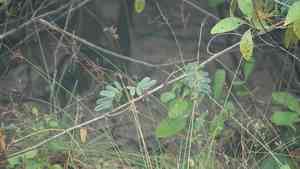
Marsh fimbry flourishes in damp, boggy habitats and features delicate, clustered stalks. Trim marsh fimbry during the initial part of spring or in winter, concentrating on eliminating deceased or compromised stems to foster robust development. Careful trimming aids in preserving its form and averts excessive density. To achieve optimal outcomes, employ sharp, sanitized cutting tools and refrain from severing the vibrant, sound foliage. Trimming can enhance air movement and stimulate abundant blooming, thereby improving marsh fimbry's general look and hardiness.
Advantages of Trimming Marsh Fimbry
Advantages of Trimming Marsh Fimbry
Trimming marsh fimbry encourages robust development and preserves its form, ensuring a neat appearance. It also aids in managing its size, preventing congestion, and boosts its resilience to pests and illnesses.
Optimal Period for Trimming Marsh Fimbry
Optimal Period for Trimming Marsh Fimbry
Trimming marsh fimbry during early spring and winter is ideal as it coincides with the plant's inactive phase. Pruning at these times minimizes stress and allows marsh fimbry to conserve energy for new growth in the upcoming season. Early spring pruning fosters healthy growth and blooming, while winter pruning avoids disrupting marsh fimbry's growth cycle and prepares the plant for vigorous activity when temperatures rise.
Necessary Tools for Trimming Marsh Fimbry
Pruning Shears
Pruning shears are perfect for cutting back the stems and leaves of marsh fimbry to maintain its shape and stimulate healthy growth. Their sharp blades enable precise cuts, minimizing harm to the plant.
Small Scissors
Small scissors can be utilized for more intricate tasks, such as trimming smaller, delicate parts of marsh fimbry without harming adjacent tissues. This ensures clean cuts near the plant's base.
Gloves
Wearing gloves safeguards your hands while trimming marsh fimbry, especially in damp, marshy environments where the plant typically thrives. They offer grip and protection against potential irritants.
How to Trim Marsh Fimbry
Assessment
Regularly inspect marsh fimbry for diseased or withered leaves. Early identification of problematic areas helps ensure the plantâs well-being.
Preparation
Before commencing the trimming process, sanitize pruning tools to prevent disease transmission. Use a solution of one part bleach to ten parts water.
Cutting Diseased Leaves
Carefully remove any diseased leaves by cutting them at their base, close to where they connect to the stem. This prevents disease from spreading to healthy sections of marsh fimbry.
Removal of Withered Leaves
Trim withered leaves by snipping them off at their base. This helps redirect the plant's energy towards new growth and maintain its overall vitality.
Disposal
Properly dispose of trimmed diseased and withered leaves, away from the plant and compost area, to prevent any potential spread of illnesses.
Common Trimming Errors with Marsh Fimbry
Over-pruning
Removing too much of marsh fimbry at once can stress the plant, hindering growth and flowering. It's essential to trim sparingly.
Incorrect technique
Improper cutting methods, such as using dull tools or making jagged cuts, can damage marsh fimbry and make it vulnerable to disease.
Pruning at the wrong height
Cutting marsh fimbry too low can impede its ability to photosynthesize effectively, weakening the plant over time.
Neglecting to clean tools
Using dirty or contaminated tools can introduce pathogens to marsh fimbry, increasing the risk of infection and disease.
General Trimming Advice for Marsh Fimbry
Use sharp tools
Ensure your pruning shears or scissors are sharp to make clean cuts, reducing the risk of injury to marsh fimbry and promoting faster recovery.
Make clean cuts
Always trim just above a node or bud to encourage new growth and prevent dieback in marsh fimbry.
Sanitize tools
Clean your pruning tools with alcohol or a mild bleach solution before and after trimming to avoid spreading diseases to marsh fimbry.
Remove dead or damaged growth
Focus on trimming away any dead, diseased, or damaged foliage to help marsh fimbry direct its energy into healthy parts and new growth.
Minimal trimming
Trim only what is necessary to maintain the shape and health of marsh fimbry, avoiding excessive removal of foliage which can stress the plant.



