How to Prune Dwarf morning glory?
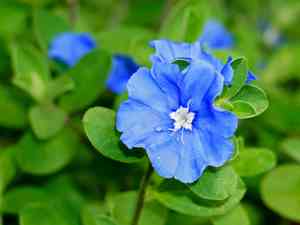
A perennial plant recognized for its delicate stalks and tiny blue blossoms, dwarf morning glory introduces a vibrant hue to outdoor spaces. Trimming should primarily involve deadheading faded flowers to stimulate additional blooming, and eliminating any withered or compromised stems to preserve the plant's well-being. The most suitable periods for pruning are spring or summer, aligning with dwarf morning glory's natural development phase. Strategic trimming guarantees a dense form and prevents excessive elongation, fostering a rich, lively look. Particular caution is necessary to prevent excessive cutting, which could impede development.
Advantages of Trimming Dwarf Morning Glory
Advantages of Trimming Dwarf Morning Glory
Trimming dwarf morning glory promotes robust development and helps maintain its form, ensuring a compact and appealing look while fostering healthier, denser foliage.
Optimal Period for Pruning Dwarf Morning Glory
Optimal Period for Pruning Dwarf Morning Glory
Pruning dwarf morning glory in spring coincides with the start of its active growth phase, allowing the plant to recover quickly and direct energy towards new growth. Early summer pruning is suitable after the initial flush of growth and blooms have begun to fade, encouraging a second wave of flowering and preventing the plant from becoming leggy or overgrown. These periods ensure that dwarf morning glory retains a desirable shape and size, avoids excessive stress or shock, and has ample time to heal before the more dormant winter season.
Tools Required for Pruning Dwarf Morning Glory
Hand Pruners
Perfect for making precise cuts on dwarf morning glory's delicate stems, hand pruners or secateurs should be utilized for thinning and shaping the plant as they offer control and minimize stem damage.
Garden Scissors
Also known as snips, these are useful for deadheading and trimming soft foliage of dwarf morning glory. They are less likely to crush stems compared to heavier equipment.
Pruning Shears
If dwarf morning glory has developed woody stems, sharp bypass pruning shears are essential for a clean and healthy cut, promoting good plant vitality.
Gloves
While pruning dwarf morning glory, wear gloves to protect hands from scratches and ensure a safe gardening experience.
How to Prune Dwarf Morning Glory
Deadheading
Identify spent flowers on dwarf morning glory and pinch them off at the base of the flower stem to encourage new blooms and maintain a neat appearance.
Cleaning
Remove wilted or yellowing leaves by gently pulling them away from the main stem if they detach easily or by cutting them at the base with clean, sharp scissors.
Thinning
Examine dwarf morning glory for weak, overcrowded, or leggy stems. Use sterilized pruning shears to snip these stems back to a main branch or just above a leaf node, aiming to improve air circulation and light penetration.
Shaping
Shape dwarf morning glory by selectively pruning disproportionate or erratic growth to maintain a balanced, compact form. Cut back to a side shoot or leaf that points in the desired direction of growth.
Maintenance
After pruning, dispose of all trimmings to reduce the risk of disease and pest infestation, and water dwarf morning glory if the soil is dry to help it recover from the pruning process.
Common Pruning Errors with Dwarf Morning Glory
Overpruning
Removing too much foliage from dwarf morning glory, which can stress the plant and reduce its ability to photosynthesize effectively, ultimately hindering growth and blooming.
Blunt Tools
Using dull or unclean pruning shears, which can damage the delicate stems of dwarf morning glory, leading to uneven cuts and potential disease entry points.
Improper Cut Location
Cutting too close to the node or too far away can either damage the node or leave a stem stub that is unsightly and more prone to disease.
Neglecting Disease Control
Failing to remove diseased or damaged parts of dwarf morning glory, which can allow the problem to spread and affect overall plant health.
Ignoring Plant Shape
Pruning without consideration for the natural form of dwarf morning glory, which can result in a less aesthetically pleasing shape and potentially decrease flowering.
Common Pruning Advice for Dwarf Morning Glory
Clean Cuts
Use sharp and sanitized pruning shears to make clean cuts on dwarf morning glory, which help in faster healing of the wounds and minimize disease risks.
Node Pruning
When cutting back stems, make the cut just above a leaf node to encourage new growth of dwarf morning glory in a desirable direction without leaving unnecessary stubs.
Deadheading
Regularly remove spent flowers of dwarf morning glory to encourage more blooming and prevent the plant from investing energy into seed production.
Damaged Removal
Remove any damaged or diseased foliage from dwarf morning glory as soon as possible to maintain plant health and prevent the spread of diseases.
Shape Maintenance
Prune dwarf morning glory to maintain its shape and size, being mindful of its natural growth habit and appearance for the most pleasing aesthetic result.
Light Thinning
Thin out crowded areas by selectively removing some stems of dwarf morning glory to increase air circulation and light penetration, which helps to prevent diseases.



