How to Prune Pascuita?
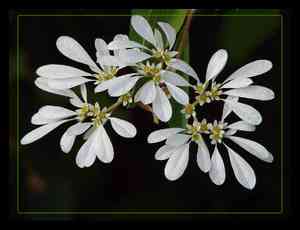
Frequently embellished with white, poinsettia-esque flowers, pascuita beautifies landscapes with its refined look. Optimal trimming entails excising lifeless or ailing limbs, sculpting the plant for visual attractiveness, and fostering denser development. The most suitable time for trimming is during the winter, once blooming concludes, to ready pascuita for the subsequent flowering phase. Trimming pascuita encourages more robust, vivid growth and aids in preserving its preferred dimensions and structure, crucial for its decorative worth.
What Are the Benefits of Pruning Pascuita?
What Are the Benefits of Pruning Pascuita?
Trimming pascuita encourages robust development and helps keep its desired form. It promotes a denser structure with more blossoms, improves plant vitality, and prevents excessive growth that can reduce vigor.
What Is the Best Time for Pruning Pascuita?
What Is the Best Time for Pruning Pascuita?
Trimming pascuita in late winter to early spring, prior to new growth, is ideal as it fosters healthy development and abundant flowering. This timing allows pascuita to recover from pruning and direct its energy towards producing fresh foliage and blooms in the upcoming growing season. Pruning after the winter dormancy and before the spring growth spurt helps avoid cutting new shoots that will bear flowers, ensuring the plant's ornamental value isn't diminished. Additionally, sap flow is reduced in cooler months, minimizing stress and disease transmission risk through cuts.
What Tools Do I Need to Prune Pascuita?
Hand Pruners
Perfect for snipping small stems and branches of pascuita, ensuring clean cuts to encourage healthy new growth.
Lopping Shears
Useful for reaching into denser areas of pascuita and cutting thicker branches that hand pruners cannot comfortably manage.
Pruning Saw
Essential for any larger branches too thick for hand pruners or lopping shears, allowing precise cuts without harming the plant's structure.
Gloves
Important for hand protection when trimming pascuita, as contact with its sap can cause skin irritation.
Eye Protection
Prevents sap or debris from entering the eyes while cutting pascuita branches, ensuring safety during the pruning process.
How to Prune Pascuita
Cleaning
Before beginning, sanitize pruning tools to prevent disease spread. Wear protective gloves as pascuita can exude a milky sap that may irritate skin.
Dead Branches
Locate dead branches on pascuita by finding those that are brittle and lack green, living tissue. Cut these branches at their base where they meet healthy wood, using sharp, clean pruning shears.
Diseased Branches
Identify diseased branches by signs of discoloration, unusual growths, or a lack of healthy foliage. Remove these by making cuts well below the affected areas to ensure all diseased tissue is gone.
Clean Up
Remove all cuttings and fallen debris from around the base of pascuita to prevent disease spread and pest attraction.
Wound Sealing
If larger branches were removed, consider treating the cuts with a wound sealant to protect pascuita from pathogens and pests. However, smaller cuts typically heal without treatment.
Common Pruning Mistakes with Pascuita
Inadequate Tool Preparation
Failing to use clean, sharp pruning tools can lead to jagged cuts or infection, hindering healthy regrowth for pascuita.
Over Pruning
Removing too much foliage from pascuita at once can stress the plant, resulting in poor growth or a shortened flowering period.
Neglecting Health Check
Pruning without first assessing pascuita's health can lead to the accidental removal of healthy growth, weakening the plant.
Disregarding Form
Ignoring pascuita's natural shape during pruning can result in an unnatural appearance and may impact its overall health and flowering capability.
Imprecise Cuts
Inaccurate cutting, such as leaving stubs or cutting too close to the main stem, can impede pascuita's healing process and encourage disease.
Common Pruning Tips for Pascuita
Tool Preparation
Utilize clean and sharp pruning shears or scissors, which ensures clean cuts that heal more efficiently for pascuita.
Considerate Pruning
Prune pascuita carefully, removing only dead, diseased, or overcrowded branches to maintain an appropriate shape and encourage flowering without overstressing the plant.
Plant Health Assessment
Examine pascuita thoroughly for signs of stress or disease before making any cuts, focusing on removing only the affected parts to preserve as much healthy growth as possible.
Natural Shape Maintenance
Follow pascuita's natural line and branching pattern to maintain its inherent structure and beauty during pruning, which promotes healthier growth.
Correct Cut Technique
Make cuts at a 45-degree angle about 1/4 inch above a bud facing the outside of pascuita, which encourages water runoff and new growth in the desired direction.



