How to Prune Candelabra tree?
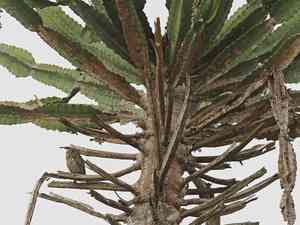
The candelabra tree, known for its elevated, vertical branches that mimic a candelabra, flourishes with judicious trimming to preserve its form and eliminate undesirable growth. Essential pruning methods involve reducing dense branches and excising impaired or ailing limbs. The most favorable time for pruning is from spring to early autumn, coinciding with periods of vigorous development. Pruning at this time guarantees rapid recuperation and fosters strong vitality. Particular caution is necessary to evade the plant's poisonous fluid during this operation.
What Are the Benefits of Pruning Candelabra Tree?
What Are the Benefits of Pruning Candelabra Tree?
Trimming candelabra tree can encourage strong new development, ensuring a sturdy framework. Regular cutting helps maintain its desired form, preventing candelabra tree from becoming overgrown and enhancing its aesthetic appeal.
What Is the Best Time for Pruning Candelabra Tree?
What Is the Best Time for Pruning Candelabra Tree?
Late Winter to early Spring is considered the ideal period for pruning candelabra tree, as this occurs just before the start of its new growth phase, allowing for a focused redirection of the plant's energy into fresh growth and post-pruning recovery. Pruning at this time also avoids stressing candelabra tree during the hot, dry Summer and Fall months, which are crucial for its growth cycle and energy conservation. Furthermore, trimming before the plant resumes active growth helps prevent sap loss, which is vital for the health and vigor of candelabra tree. It also reduces the risk of pest infestation and disease, as wounds can heal quickly with the surge of new growth in Spring.
What Tools Do I Need to Prune Candelabra Tree?
Pruning Shears
Perfect for making precise cuts on smaller branches of candelabra tree, ensuring minimal harm to the plant tissue.
Loppers
Offer extended reach and leverage for cutting through thicker branches of candelabra tree that hand shears cannot manage.
Pruning Saw
Crucial for severing large limbs from candelabra tree, a saw can handle the tough, mature growth.
Gloves
Robust, thick gloves are essential to shield hands from the toxic sap of candelabra tree during pruning.
Long-sleeved clothing
Wearing protective attire minimizes the chance of skin contact with candelabra tree's irritating sap during the pruning process.
Goggles
Safety eyewear is advised to protect eyes from potential sap splashes when cutting branches of candelabra tree.
How to Prune Candelabra Tree
Safety Gear
Don protective gloves, long sleeves, and eyewear to guard against the sap of candelabra tree, which can irritate skin and is toxic if consumed. Use sterilized pruning tools to prevent disease transmission.
Inspection
Examine candelabra tree thoroughly, identifying all diseased leaves, withered leaves, dead branches, and diseased branches that need trimming.
Clean Cut
Make clean cuts using sharp pruning shears or a saw, depending on branch thickness. Cut back diseased and dead branches to healthy tissue to promote candelabra tree recovery and growth.
Prune Withered Leaves
Gently remove withered leaves from candelabra tree by hand or with pruning shears, taking care not to harm healthy parts of the plant.
Disposal
Properly dispose of all removed material from candelabra tree to prevent the spread of diseases and pests. Clean and sanitize tools after completing the pruning process.
Common Pruning Mistakes with Candelabra Tree
Incorrect Cutting Technique
Using the wrong cutting method can injure candelabra tree. Cuts should be angled to prevent water accumulation that can lead to rot.
Over-Pruning
Removing too much of candelabra tree during pruning can stress the plant, hinder growth, and reduce its vitality. It's important to only prune what's necessary.
Pruning Healthy Tissue
Accidentally cutting away healthy tissue can weaken candelabra tree by unnecessarily exposing it to potential disease and pests.
Using Unsanitized Tools
Not sanitizing tools before use can spread disease among candelabra tree or introduce new pathogens to it.
Ignoring Diseased Segments
Failing to remove diseased or damaged segments during pruning can allow disease to spread throughout candelabra tree.
Tearing Bark
Tearing the bark during pruning can create wounds on candelabra tree that are vulnerable to infection and disease.
Neglecting Pruning
Not pruning candelabra tree when needed can lead to dense growth that can negatively impact air circulation, and potentially the plant's health and shape.
Common Pruning Tips for Candelabra Tree
Correct Cut Location
Ensure you prune candelabra tree just above a leaf node or lateral branch to encourage proper growth and healing.
Prune Diseased Limbs First
Start by removing any dead, dying, or diseased limbs to prevent disease spread and to improve the structure and appearance of candelabra tree.
Sharp Tools
Use sharp and clean pruning tools to make clean cuts on candelabra tree, which help the plant heal more quickly and minimize stress.
Cut At Angle
Cut branches at a slight angle to prevent water and debris from collecting on the cut surface, which can lead to rot or disease in candelabra tree.
Dispose Of Debris
Remove and properly dispose of all pruning debris to prevent the potential spread of pests and diseases around candelabra tree.
Prune For Shape
Shape candelabra tree by selectively pruning to create a balanced, desirable form while ensuring good air circulation and light penetration through the canopy.
Aftercare Following Pruning
Provide candelabra tree with appropriate aftercare post-pruning, including watering and fertilizing, to support recovery and promote healthy growth.



