How to Prune Shrove tuesday?
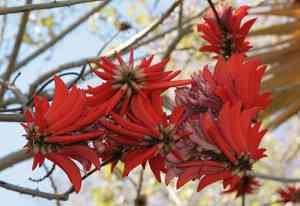
This leaf-shedding variety, celebrated for its vivid flowers, thrives with trimming in early spring or late winter, once the danger of frost has passed but prior to the emergence of new foliage. Trimming entails eliminating deceased or compromised limbs, reducing dense sections to boost air movement, and sculpting for visual attractiveness. Deliberate trimming fosters robust development and amplifies flowering. Refrain from severe cutting to guarantee shrove tuesday flourishes, concentrating on targeted removal to preserve its form and vitality.
Advantages of Trimming shrove tuesday
Advantages of Trimming shrove tuesday
Trimming shrove tuesday is crucial for fostering robust development and preserving its desired form. Strategic cuts redirect energy to healthier limbs, promoting a sturdy framework. Pruning also helps manage shrove tuesday's dimensions, ensuring it fits within designated garden areas.
Optimal Period for Trimming shrove tuesday
Optimal Period for Trimming shrove tuesday
Trimming shrove tuesday in late winter or early spring is ideal as the plant is typically dormant, minimizing sap flow. This reduces plant stress and the risk of disease or pests targeting pruning wounds. Furthermore, removing old or damaged branches before active growth allows shrove tuesday to direct energy towards new, healthy growth as temperatures rise. This timing also enables gardeners to better shape the plant and manage its size before the growth period, benefiting both shrove tuesday's appearance and health. Pruning before the spring growth spurt also ensures that later blooms or fruits will be larger and more vibrant, as the plant can focus resources on fewer, higher-quality growth points. It's important to consider local climate, as 'late winter' and 'early spring' vary geographically.
Tools Required for Trimming shrove tuesday
Bypass Pruners
These are perfect for making precise cuts on smaller branches of shrove tuesday, ensuring clean cuts that encourage healthy regrowth.
Loppers
Since shrove tuesday can have somewhat thicker branches, loppers are excellent for cutting branches up to 1 1/2 inches in diameter, which is typical for this species.
Pruning Saw
For larger branches exceeding 1 1/2 inches in diameter, a pruning saw is essential to manage the size without harming shrove tuesday.
Hedge Shears
These shears are effective for shaping and trimming the overall outline of shrove tuesday if a more refined form is desired, especially for hedge-like plantings.
How to Trim shrove tuesday
Identify
Thoroughly inspect shrove tuesday to locate all dead and diseased branches that need removal. Focus on branches showing signs of damage or decay.
Disinfect
Clean and sanitize your pruning tools before starting and between cuts to prevent disease spread to healthy parts of shrove tuesday.
Cutting dead
Using sharp, clean pruning shears, selectively trim dead branches at their origin or back to a healthy lateral branch or bud, ensuring cuts are clean and smooth.
Cutting diseased
Identify diseased branches on shrove tuesday and cut them back to a healthy section, ensuring the entire affected area is removed to stop further infection.
Dispose
Safely discard all removed dead and diseased material away from shrove tuesday to prevent reinfection or infestation. Do not compost diseased plant material.
Common Trimming Errors with shrove tuesday
Over-pruning
Cutting back 'shrove tuesday' too aggressively can stress the plant, leading to poor growth and reduced flowering. Avoid removing more than one-third of the plant's growth in a single pruning session.
Improper cut locations
Making cuts too far from or too close to a bud or node can result in improper growth or plant damage. Cuts should be made at a 45-degree angle just above a bud or branching point to encourage healthy regrowth.
Ignoring dead material
Failing to remove dead or diseased branches can negatively impact 'shrove tuesday's health, as these can harbor pests or diseases that may spread to the rest of the plant.
Using dull tools
Pruning with dull or dirty tools can result in jagged cuts that are more susceptible to disease and may hinder 'shrove tuesday's healing process.
Neglecting plant structure
Not considering 'shrove tuesday's natural form can lead to a loss of its aesthetic shape and negatively affect its blooming potential.
General Trimming Advice for shrove tuesday
Clean cuts
Use sharp, clean pruning shears to make precise cuts on 'shrove tuesday', which helps prevent infection and promotes quick healing.
Prioritize health
Focus on removing dead, damaged, or diseased wood first to maintain 'shrove tuesday's health and vigor. This is crucial for the plant's overall longevity and flowering capabilities.
Consider growth pattern
Understand 'shrove tuesday's growth pattern to shape the plant effectively without compromising its natural structure. Aim to create an open, vase-like shape that allows light and air to penetrate the canopy.
Encourage flowering
Retain several strong branches on 'shrove tuesday' to support flowering, as excessive pruning can reduce the number of blooms.
Rejuvenation pruning
Periodically perform rejuvenation pruning to remove older branches and stimulate new growth on 'shrove tuesday', which can encourage more prolific blooming and a healthier plant structure.



