How to Prune Golden-fleece?
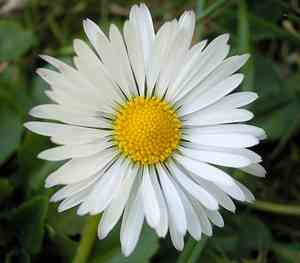
Golden-fleece, recognized for its bright yellow blossoms and woody stalks, flourishes with careful trimming. Perform pruning in early spring prior to the appearance of new shoots. Reduce older limbs by as much as one-third to stimulate denser development and eliminate deceased, injured, or intersecting branches to improve air movement. Pruning boosts bloom production and general plant well-being. Consistent upkeep deters excessive height and fosters a more condensed, visually appealing form, ensuring golden-fleece is a highlight in any landscape.
What Are the Benefits of Pruning Golden-fleece?
What Are the Benefits of Pruning Golden-fleece?
Golden-fleece thrives with pruning, promoting vigorous growth and shape retention. This fosters robust development, enhances blooms, improves aesthetics, and boosts pest and disease resistance. Regular trimming keeps the plant manageable and flourishing.
What Is the Best Time for Pruning Golden-fleece?
What Is the Best Time for Pruning Golden-fleece?
Trimming golden-fleece in early spring is optimal, aligning with its natural growth cycle. Pruning then stimulates healthy new growth before the active season. It also ensures removal of old or damaged branches prior to flowering, allowing the plant to direct more energy to producing blooms. This timing minimizes disease and pest risks, which are more common in warmer, active growth periods.
What Tools Do I Need to Prune Golden-fleece?
Bypass Pruners
Bypass pruners are perfect for golden-fleece, enabling clean cuts on live branches up to ¾ inch thick without crushing stems.
Loppers
Loppers offer increased leverage for cutting thicker branches (up to 2 inches in diameter), which may become necessary as golden-fleece matures.
Pruning Saw
A pruning saw is effective for severing large branches that pruners or loppers cannot handle, ensuring a clean cut without harming the plant.
Hand Shears
Hand shears are excellent for detailed shaping and trimming smaller, delicate branches, preserving the aesthetic form of golden-fleece.
How to Prune Golden-fleece
Inspection
Carefully examine golden-fleece to locate any diseased, withered, or dead leaves and branches. Look for discolored or brittle sections indicating potential issues.
Cleaning Tools
Sanitize your pruning implements with rubbing alcohol or a bleach solution. This prevents disease transmission when removing unhealthy parts of golden-fleece.
Remove Withered Leaves
Snip off all withered leaves from golden-fleece using sharp, clean scissors or pruners. Cut close to the leaf stem's base without harming healthy tissue.
Remove Dead Branches
Cut away dead branches from golden-fleece by making clean cuts at their base where they meet a healthy branch or the main stem. Ensure cuts are angled slightly to improve water runoff.
Remove Diseased Parts
Trim off all diseased leaves and branches. Make sure to cut well below the affected area into healthy tissue. Dispose of these plant parts far from the garden to prevent disease spread.
Common Pruning Mistakes with Golden-fleece
Over-pruning
Removing too much foliage at once can stress the plant, hindering its ability to photosynthesize and store energy for growth and flowering.
Improper cuts
Using dull or unsuitable tools can result in jagged cuts that heighten the risk of disease and pest infestation.
Pruning at the wrong time
Trimming at an incorrect time of year can remove flower buds, leading to reduced blooming in the subsequent season.
Cutting into old wood
Pruning too deeply into the older, woody sections of the plant can cause permanent damage as golden-fleece does not readily regenerate from old wood.
Common Pruning Tips for Golden-fleece
Use sharp tools
Always use clean, sharp pruners or loppers to make precise cuts and minimize disease risk.
Target young growth
Focus on trimming younger, more flexible stems, which encourages new growth and boosts the plant's overall vitality.
Remove dead or diseased wood
Regularly check for and remove any dead, damaged, or diseased stems to maintain plant health.
Thin out crowded areas
Thinning out dense branches allows for better air circulation and light penetration, promoting healthier growth and reducing disease risk.
Cut at an angle
Make cuts at a slight angle, just above a leaf node, to encourage proper healing and new growth.



