How to Prune Long-seed willowherb?
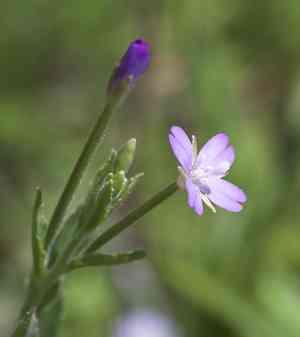
This enduring herbaceous plant flourishes in moist environments and disrupted locales, distinguished by its extended seed pods. For long-seed willowherb, remove deceased or ailing stalks at any point, and trim after blooming to foster a denser form. The most effective pruning occurs from spring through early autumn, promoting robust health and visual appeal. Advantages of pruning encompass regulated development, reduced self-propagation, and rejuvenation. Cultivators ought to discard trimmed matter to avert undesirable dissemination.
What Are the Benefits of Pruning Long-seed Willowherb?
What Are the Benefits of Pruning Long-seed Willowherb?
Trimming long-seed willowherb promotes abundant flowering, stimulates vigor, and maintains a desired form, keeping the plant lively and visually appealing.
What Is the Best Time for Pruning Long-seed Willowherb?
What Is the Best Time for Pruning Long-seed Willowherb?
Pruning long-seed willowherb in Spring is recommended as this is when the plant's active growth cycle begins, allowing for quick healing of cuts and encouraging new development. Summer trimming can be useful for shaping long-seed willowherb and managing its size, as well as removing any diseased or dead parts that may have appeared. Fall pruning helps remove spent flowers and prepares long-seed willowherb for dormancy, though it's crucial to stop pruning well before cold weather arrives to prevent damage to new growth.
What Tools Do I Need to Prune Long-seed Willowherb?
Hand Pruners
Perfect for cutting stems and branches under 3/4 inch thick, hand pruners provide precision vital for preserving the shape and health of long-seed willowherb.
Pruning Shears
These are effective for snipping smaller stems and removing spent blooms. Clean cuts help prevent disease spread.
Long-Handled Loppers
Long-seed willowherb may have some hard-to-reach or thicker stems, and long-handled loppers will offer the necessary leverage for these cuts without straining the gardener's arms or back.
Garden Gloves
Though not a cutting tool, gloves are essential for protecting the gardener's hands from thorns and sharp stems while pruning long-seed willowherb.
Disinfectant for Pruning Tools
It's crucial to prevent disease transmission when pruning long-seed willowherb. Disinfecting blades between cuts, especially when moving between different plants, will help maintain plant vitality.
How to Prune Long-seed Willowherb
Disinfect tools
Before beginning the pruning process, ensure all cutting implements are disinfected to prevent the spread of disease to long-seed willowherb.
Remove diseased leaves
Carefully inspect long-seed willowherb for diseased foliage, identified by unusual spots, discoloration, or decay. Using clean, sharp scissors, snip these leaves at their base where they meet the stem, avoiding healthy tissue.
Trim withered leaves
Identify dry or dead leaves, which may appear shriveled, brown, or crumpled. Gently trim these leaves from long-seed willowherb to promote better air circulation and light penetration, encouraging healthy growth.
Cut withered flowers
Remove faded flowers from long-seed willowherb by cutting them back to just above the first set of healthy leaves. This will help redirect the plant's energy towards new growth and potentially extend its blooming period.
Clean up
After pruning, clear all removed foliage from around the base of long-seed willowherb to deter pests and prevent potential disease re-infection. Properly dispose of the discarded plant material away from your garden area.
Common Pruning Mistakes with Long-seed Willowherb
Over-pruning
Cutting back long-seed willowherb too aggressively can harm the plant. Long-seed willowherb only requires light pruning to remove dead or diseased stems and to shape the plant.
Incorrect cutting technique
Using dull or dirty tools, or making jagged cuts, can damage long-seed willowherb's stems, leading to disease or poor regrowth.
Neglecting deadheading
Failing to remove spent flowers from long-seed willowherb can hinder the plant from producing new blooms and may lead to self-seeding if not desired.
Pruning new growth
Removing new shoots before they mature can limit long-seed willowherb's flowering potential, as flowers often develop on new wood.
Disposing of cuttings improperly
Not properly disposing of pruned material can lead to the spread of pests or diseases if they are present on the discarded stems.
Common Pruning Tips for Long-seed Willowherb
Clean and sharp tools
Use sterilized, sharp pruning shears to make clean cuts on long-seed willowherb, reducing disease risk and promoting faster healing.
Selective pruning
Selectively remove only dead, diseased, or overgrown stems of long-seed willowherb to maintain plant health and improve air circulation.
Deadheading
Regularly deadhead long-seed willowherb to encourage more blooms and to prevent unwanted seed dispersal if maintaining plant population is necessary.
Prune to shape
Lightly prune long-seed willowherb to maintain the desired shape and size. This helps promote a bushier appearance and can enhance the plant's overall aesthetics.
Dispose of debris
After pruning long-seed willowherb, ensure all pruning debris is cleaned up and properly disposed of to minimize the risk of pest and disease issues.



