How to Prune Fire-star orchid?
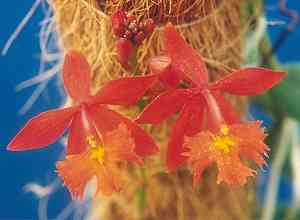
This vivid, intensely colored orchid flowers abundantly and flourishes with proper trimming. Key pruning for fire-star orchid entails severing faded flower stalks just above a joint, fostering denser development and increased blossoms. Trim fire-star orchid from the beginning of spring until late autumn, guaranteeing plant robustness and peak flowering. Consistent elimination of deceased or compromised pseudobulbs is vital. Pruning results in more robust plants by enhancing air movement and preventing illness. Always sanitize implements prior to use for the plant's welfare.
What Are the Benefits of Pruning Fire-star Orchid?
What Are the Benefits of Pruning Fire-star Orchid?
Trimming fire-star orchid promotes vigor and maintains its desired shape. Regular removal of spent blooms and overgrown stems results in robust development and an attractive form. Proper cutting ensures fire-star orchid stays lively and well-proportioned.
What Is the Best Time for Pruning Fire-star Orchid?
What Is the Best Time for Pruning Fire-star Orchid?
These periods are considered ideal for pruning fire-star orchid due to several factors aligning with the plant's life cycle. In early spring, fire-star orchid is just emerging from dormancy, making it the perfect moment to shape the plant and eliminate any dead or damaged sections before new growth commences. This helps ensure the plant's energy is directed towards the development of healthy new shoots. Pruning in late autumn, after the blooming season has concluded, allows for the removal of faded flowers and aids in disease prevention by improving air circulation within the plant's structure. Furthermore, late autumn pruning prepares fire-star orchid for winter dormancy and encourages vigorous growth in the subsequent season.
What Tools Do I Need to Prune Fire-star Orchid?
Sharp, Clean Scissors or Pruning Shears
These implements are crucial for making precise cuts on fire-star orchid, which aids in preventing disease and harm to the plant. Sharp tools ensure that cuts are accurate and do not crush the plant's stems.
Rubbing Alcohol or Disinfectant
To prevent the spread of pathogens, it's vital to sanitize pruning tools before and after use on fire-star orchid. This is especially important if the tools are used on various plants.
Fine-Tipped Tweezers
Fire-star orchid may occasionally produce undesirable brown or yellow leaves at its base or on the flower spike. Fine-tipped tweezers can be used to remove these without harming nearby healthy tissue.
Gloves
Wearing gloves can safeguard the gardener's hands from potential irritants on fire-star orchid and also protect the plant from oils and dirt from the hands, which can lead to fungal or bacterial growth.
How to Prune Fire-star Orchid
Step1: Tool Sanitization
Sanitize Pruning Tools: Before beginning, ensure pruning tools are clean and sharp. Sterilize blades with rubbing alcohol or a 10% bleach solution to prevent disease transmission.
Step2: Dead Flower Removal
Identify and Remove Dead Flowers: Carefully inspect fire-star orchid for dead flowers. Snip them off at the base of the flower stem using precision pruning shears. Make the cut just above a node or a 'pseudobulb', which is a swollen stem structure from where new growth can emerge.
Step3: Disease Leaf Pruning
Prune Diseased Leaves: Look for any leaves showing signs of disease such as discoloration, spots, or mold. Cut off the affected leaf at its base where it connects to the main stem. Make a clean cut without tearing to ensure a quick recovery for fire-star orchid.
Step4: Wilted Stem Trimming
Trim Wilted Stems: Identify stems that are wilted or have ceased producing flowers and are unlikely to do so in the future. To encourage new growth, trim these stems back to the nearest healthy pseudobulb. Ensure each cut is clean and angled to prevent water accumulation, which could lead to rot.
Step5: Plant Shaping
Shape for Growth: After removing all dead, diseased, and wilted parts, step back and assess fire-star orchid for its overall shape. If necessary, prune additional stems to maintain a pleasing, balanced growth habit, taking care not to remove more than one-third of the plant at one time.
Step6: Cleanup and Debris Disposal
Discard Plant Debris: Remove all pruned material from the area around fire-star orchid to prevent potential disease and pest infestations. Dispose of or compost the plant debris, especially if it contains diseased material.
Step7: Post-pruning Plant Care
Post-Pruning Care: Water fire-star orchid lightly to help reduce stress from pruning. Avoid fertilizing immediately after pruning, as fire-star orchid needs time to recover from the trimming process. Resume normal care routine once signs of new growth are observed.
Step8: Growth Monitoring
Monitor After Pruning: Over the next few weeks, keep an eye on fire-star orchid for signs of new growth. Healthy, well-pruned fire-star orchid should exhibit vigorous growth and blooming. If any issues arise, such as signs of disease, address them promptly.
Post-Pruning Care for Fire-star Orchid
Post-Pruning Care for Fire-star Orchid
Immediately after pruning fire-star orchid, maintain a high humidity environment and partial shade to alleviate stress. Increase watering frequency to support healing, yet ensure proper drainage to prevent root rot. Fertilize lightly with balanced orchid food to aid in recovery, halving the manufacturer's recommended dose. Observe fire-star orchid regularly for signs of stress, such as wilting or discolored leaves, which may indicate disease or improper care. Adjust light, humidity, and watering as necessary and isolate any affected plants to prevent the spread of potential infections.
Common Pruning Mistakes with Fire-star Orchid
Over-pruning
Trimming too much at once, which can stress fire-star orchid and lead to poor growth or reduced flowering.
Using dull or dirty tools
Employing dull or unclean pruning tools, which can harm the stems of fire-star orchid and invite disease.
Removing healthy pseudobulbs
Excising healthy green pseudobulbs, which are crucial for the growth and blooming of fire-star orchid.
Ignoring plant's growth pattern
Pruning without understanding the growth habit of fire-star orchid, potentially cutting off new growth points or flowering spikes.
Not pruning dead leaves
Neglecting to trim dead or yellowing leaves, which can hinder new growth and may encourage pests and diseases.
Common Pruning Tips for Fire-star Orchid
Use sharp, clean cutting tools
Always use sharp, clean shears or scissors to make precise cuts without crushing the stems of fire-star orchid.
Remove only dead or damaged parts
Focus pruning efforts on removing dead or damaged stems and leaves to direct the plant's energy to healthy growth.
Prune above nodes for new growth
Prune just above a node or pseudobulb to encourage the development of new shoots and flowers.
Retain several nodes on stems
When cutting back overgrown stems, leave at least two to three nodes on the stem to ensure continued growth.
Dispose of pruned plant debris
After pruning, dispose of all plant debris to reduce the risk of disease and pest infestation.



