How to Prune Chicken-feather orchid?
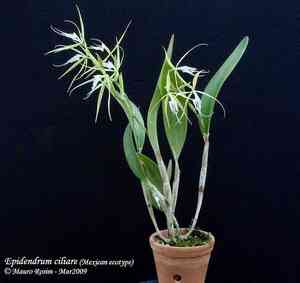
Celebrated for its fine, plume-like blooms, chicken-feather orchid flourishes with judicious yet infrequent trimming. Eliminate deceased or compromised pseudobulbs and spent flowers to stimulate fresh development and preserve visual appeal. Gently thin out crowded groupings to improve air movement. Trimming can occur throughout the year, with particular focus following blooming periods to foster subsequent flowering. Disinfect implements prior to use to avert pathogen transmission. Advantages of trimming encompass more robust growth, superior flower quality, and protection against ailments.
What Are the Benefits of Pruning Chicken-feather Orchid?
What Are the Benefits of Pruning Chicken-feather Orchid?
Trimming chicken-feather orchid promotes robust development and more abundant flowering, while also helping to maintain its form for visual appeal and overall vitality.
What Is the Best Time for Pruning Chicken-feather Orchid?
What Is the Best Time for Pruning Chicken-feather Orchid?
Trimming of chicken-feather orchid can occur at any point due to its continuous growth pattern, typical of tropical orchids, which lack a strict dormant phase. Cutting back old pseudobulbs post-flowering stimulates new growth and may encourage reblooming. Furthermore, this practice enhances air circulation, vital for preventing fungal diseases common in the humid environments where chicken-feather orchid thrives. Seasonal considerations are less critical for chicken-feather orchid compared to temperate flora, as it adapts to consistent year-round climatic conditions. Care should be taken to trim only when essential and avoid cutting healthy tissue, which could otherwise divert energy from floral and vegetative development. Adhering to these guidelines will ensure chicken-feather orchid remains healthy and continues to produce its distinctive blooms.
What Tools Do I Need to Prune Chicken-feather Orchid?
Sterilized Pruning Shears
Pruning shears should be utilized on chicken-feather orchid, ensuring they are disinfected before each cut to prevent disease transmission. This tool is perfect for making clean cuts on the orchid's relatively small stems without causing undue harm to the delicate plant.
Razor Blade or Scalpel
Razor blades or scalpels are ideal for precisely removing dead or diseased tissue from chicken-feather orchid. This method minimizes damage to healthy plant parts during trimming.
Tweezers
Tweezers can be useful for extracting any debris or dead plant material lodged within the crevices of chicken-feather orchid's growth, without causing harm to the plant.
How to Prune Chicken-feather Orchid
Clean tools
Sanitize all trimming tools with alcohol or a bleach solution to prevent disease spread before beginning to prune chicken-feather orchid.
Remove diseased leaves
Carefully remove any infected leaves from chicken-feather orchid by cutting them at the base where the leaf meets the stem, to prevent infection of healthy sections.
Prune dead branches
Cut back any lifeless branches on chicken-feather orchid to the point where healthy, green tissue is visible, using a clean, sharp pair of pruning shears.
Eliminate withered elements
Remove faded leaves and spent flower spikes from chicken-feather orchid by gently pulling them off if loose, or snipping close to the base to maintain aesthetics and encourage new growth.
Handle withered flower
Trim off faded flowers of chicken-feather orchid, cutting the flower spike near the base just above a node or joint, which can stimulate a secondary bloom in some orchids.
Common Pruning Mistakes with Chicken-feather Orchid
Overpruning
Removing too much of chicken-feather orchid's foliage can stress the plant and reduce its ability to photosynthesize, leading to poor growth and fewer flowers.
Improper cut locations
Cutting too far from a node or into old, non-productive wood may result in improper healing and can invite disease.
Pruning active growth
Cutting back chicken-feather orchid during periods of active growth can interrupt its natural growth cycle, potentially impacting its ability to bloom.
Using dull tools
Dull pruning tools can damage chicken-feather orchid's delicate stems, leading to ragged cuts that are more susceptible to infection.
Inadequate sterilization
Failing to sterilize pruning tools between cuts can spread pathogens from sick plants to healthy ones, risking the health of chicken-feather orchid.
Common Pruning Tips for Chicken-feather Orchid
Sanitation
Use properly sterilized and sharp tools to make clean cuts on chicken-feather orchid, reducing the risk of infection and ensuring quick healing.
Cut location
Make cuts near a node on chicken-feather orchid, ensuring that the plant can efficiently seal the wound and produce new growth.
Amount of pruning
Prune only what is necessary to shape chicken-feather orchid or to remove dead, damaged, or diseased tissue, as excessive pruning can hinder its development.
Deadheading
Regularly remove spent blooms on chicken-feather orchid to encourage more flowers and to direct the plant's energy into producing healthy new growth.
Light pruning
Perform light, selective prunings on chicken-feather orchid rather than heavy, drastic cuts to maintain plant health and vigor, unless completely renovating an older plant.



