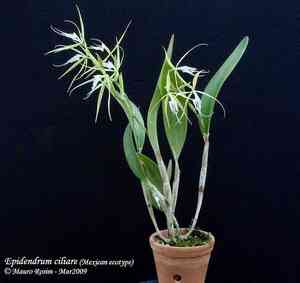
Chicken-feather orchid (Epidendrum ciliare)
Also known as: Lady's lash orchid
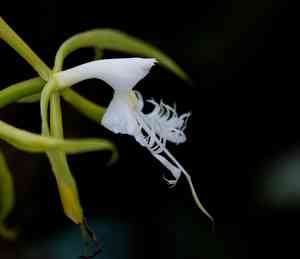
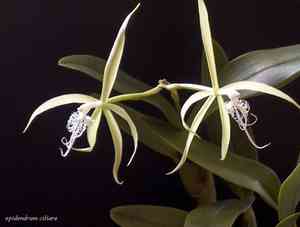
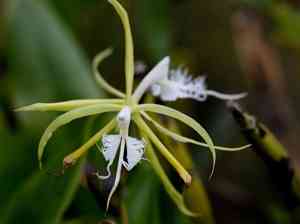
The chicken-feather orchid features long, reed-like stems adorned with fragrant white flowers that have fringed lips, giving them an appearance similar to delicate eyelashes. This orchid flourishes in warm, humid climates, where its aerial roots attach to host trees, allowing it to absorb moisture and nutrients, highlighting its epiphytic nature.
In This Article
Attributes of Chicken-feather orchid
Lifespan
Perennial
Plant Type
Herb
Plant Height
30 cm to 40 cm
Spread
25 cm to 30 cm
Leaf Color
Dark green
Flower Size
5 mm
Flower Color
White Yellow Green
Images of Chicken-feather orchid

Quickly Identify Chicken-feather orchid
1
Epidendrum ciliare can be identified by its distinctive fringed labellum, which helps distinguish it from other Epidendrum species. The plant typically has elongated pseudobulbs and leathery leaves.
Scientific Classification of Chicken-feather orchid
Phylum
Vascular plants
Class
Monocotyledons
Order
Asparagales
Family
Orchid
Genus
Orchid
Species
Chicken-feather orchid
Planting and Growing of Chicken-feather orchid
Care Difficulty
Hard
Watering Schedule
Every 2 days
Sunlight Requirements
Partial sun
Sunshine Duration
4-8 hours
Ideal Temperature
65-75℉
Soil Type
Potting Mix, Peat Mix
Soil pH
6.5-7.5
Fertilizer Type
Balanced
Pruning Season
Spring, Summer
Pruning Area
Branches, Leaves
Pruning Frequency
2 times a year
Repotting Season
Spring
Pot Type
Terracotta, Plastic
 How to Water Chicken-feather orchid?
Epidendrum ciliare requires a moderate amount of water, around 200 ml per session. The soil should feel evenly moist but not waterlogged. It's important to allow the top layer of soil to dry out slightly between watering sessions.
What are the symptoms of an underwatered Chicken-feather orchid?
›
What should I do if my Chicken-feather orchid is not getting enough water?
›
What are the symptoms of an overwatered Chicken-feather orchid?
›
How to save an overwatered Chicken-feather orchid?
›
 What Are the Sunlight Requirements for Chicken-feather orchid?
Partial sun mimics the conditions of a tropical understory, aiding Epidendrum ciliare in flourishing with moderate light exposure. Ideal light promotes robust growth and prolific blooming.
More About Sunlight Requirements Techniques→
What is the best light condition for Epidendrum ciliare?
›
How to achieve this ideal light condition?
›
What are the benefits of providing ideal light conditions?
›
 What Is the Ideal Temperature Range for Chicken-feather orchid?
Epidendrum ciliare thrives best in temperatures ranging from 65 to 75°F. This range provides the perfect balance of warmth without stressing the plant. While these temperatures lie on the warmer side, they should not be too extreme to avoid causing any stress to the plant. The idea is to mimic their natural habitat conditions as closely as possible to ensure optimal growth and flowering.
 What Soil is Best for Chicken-feather orchid?
Epidendrum ciliare thrives in soil that facilitates excellent drainage. Well-drained soil prevents waterlogging, which can cause root rot. This condition ensures that the plant's roots can breathe and absorb necessary nutrients efficiently. Although Epidendrum ciliare is not particularly demanding about soil fertility, a moderately fertile substrate supports healthy growth and blooming. Organic matter or slow-release fertilizers can enhance soil fertility, thereby promoting vigorous plant health. A light-textured soil, such as sandy loam, provides a comfortable home for the roots to spread and establish firmly. This texture allows efficient nutrient uptake while maintaining sufficient aeration around the root zone.
 How to Fertilize Chicken-feather orchid?
For Epidendrum ciliare, it is crucial to apply a balanced orchid fertilizer at half the recommended strength indicated on the packaging. This will ensure that the plant receives adequate nutrients without the risk of over-fertilization.
 How to Prune Chicken-feather orchid?
Carefully examine the plant and identify any dead or discolored foliage and stems. These should be your first focus during pruning. Removing these parts not only improves the appearance but also prevents the spread of decay. After flowering, trim back the spent flower spikes. This redirects the plant’s energy towards the growth of new shoots and roots, thus promoting a healthier plant. If your Epidendrum ciliare is growing unevenly, you may wish to trim back longer stems to encourage a more balanced shape. Cut just above a node to encourage new side shoots.
More About Pruning Techniques→
 How to Propagate Chicken-feather orchid plant?
1
Collecting seeds when they are mature but before they are naturally dispersed ensures viability. It is best to store them in a cool, dry place until ready to plant.
2
Carefully dig around the base of the plant and gently pull apart sections of the rhizome. Ensure each section has a healthy root system and dispose of any diseased portions.
3
Tissue culture involves growing the plant in a sterile environment to encourage rapid, disease-free growth. While technical, this method can produce large numbers of plants quickly.
 How to Repot Chicken-feather orchid plant?
1
Repot your Epidendrum ciliare when you notice roots growing out of the pot or when the plant appears top-heavy. These signs indicate that it's time for a new pot. Spring and summer are ideal as the plant is actively growing.
2
Select a pot that's just one size larger than the current one, favoring materials like clay to allow breathability. Drainage is crucial, so ensure the pot has adequate holes. A well-chosen pot prevents root rot and promotes healthy growth.
3
Opt for a well-draining orchid mix containing bark, perlite, and charcoal. This mix mimics the plant's natural growing conditions by allowing air to circulate around the roots while retaining necessary moisture.



