How to Prune Matchbox bean?
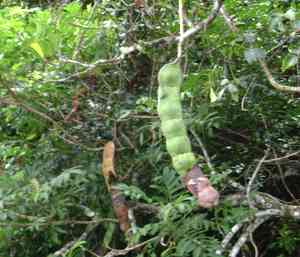
Matchbox bean, a robust climbing plant recognized for its massive seed pods that resemble oversized matchboxes, necessitates consistent upkeep. Trim the plant to manage its dimensions and stimulate robust development by eliminating dead or ailing branches and reducing crowded sections. The ideal period for trimming is from late winter to early spring, prior to the emergence of new shoots. This practice curtails excessive foliage expansion and enhances air movement, thereby diminishing the likelihood of plant ailments. Strategic cuts also contribute to preserving the preferred form and bolstering the vitality of matchbox bean.
Advantages of Trimming Matchbox Bean
Advantages of Trimming Matchbox Bean
Trimming matchbox bean promotes stronger development and helps maintain its desired form. Strategic cuts can encourage new shoots, leading to a denser and neater appearance.
Optimal Period for Trimming Matchbox Bean
Optimal Period for Trimming Matchbox Bean
Trimming matchbox bean in late winter and early spring is beneficial as this timing helps avoid cutting into new growth cycles that typically begin with the onset of spring. Pruning in late winter, just before the spring growth starts, allows matchbox bean to heal from pruning wounds and direct its energy towards the new growth, which can be shaped and encouraged as the growing season progresses. Additionally, since matchbox bean may be in a dormant state during this period, there is reduced risk of stress to the plant, and it is easier to see the structure of matchbox bean without foliage, thus making it simpler to decide where cuts should be made. Moreover, pruning before the plant's flowering or fruiting periods ensures that the natural cycle of blooming and seed production is not disrupted.
Essential Tools for Trimming Matchbox Bean
Hand pruners
Perfect for cutting smaller stems and branches of matchbox bean, offering precision and minimal harm to the plant.
Loppers
Suitable for reaching into the dense growth of matchbox bean and cutting through thicker branches that hand pruners cannot manage.
Pruning saw
Required for larger, tougher branches where hand pruners and loppers are insufficient, ensuring a clean cut without damaging the plant's overall structure.
Pole pruner
Useful for trimming hard-to-reach branches of matchbox bean, especially because it can climb and expand over structures, helping to maintain the plant's shape and health without the need for a ladder.
How to Trim Matchbox Bean
Sanitize Tools
Before beginning, sanitize all trimming tools with a bleach and water solution or rubbing alcohol to prevent disease spread to matchbox bean.
Identify
Examine matchbox bean closely to locate diseased and withered leaves that require removal. Look for signs of discoloration, spots, or decay that typically indicate unhealthy foliage.
Cut Leaves
Using sharp and clean pruning shears, carefully remove the diseased and withered leaves at their base where they connect to the stem. Avoid tearing leaves as this can create wounds vulnerable to infection.
Dispose
Safely discard the removed leaves by placing them in a bag and disposing of them in the trash. Do not compost diseased material as it may harbor pathogens that could spread in the compost.
Clean Up
After trimming, clear away any fallen debris from around matchbox bean to maintain good hygiene and reduce the likelihood of disease. Clean the pruning tools again to remove any potential pathogens.
Frequent Trimming Errors with Matchbox Bean
Excessive Trimming
A common mistake is removing too much growth, which can stress matchbox bean and impede its recovery. It's important to avoid cutting back more than one-third of the plant in any single trimming session.
Incorrect Cutting Technique
Using dull or dirty tools can harm matchbox bean's stems, potentially leading to disease. Clean, sharp tools are crucial for making clean cuts that heal quickly.
Ignoring Dead Material
Failure to remove dead or diseased material can lead to pest infestations and disease spread. It's vital to regularly inspect matchbox bean and clear away any unhealthy growth.
Random Trimming
Randomly snipping branches can result in a misshapen or unbalanced plant. It's advisable to trim with a specific objective in mind, such as improving air circulation or removing nonproductive growth.
Trimming Healthy Growth
Removing too much healthy growth can limit matchbox bean's flowering and growth potential. Focus on removing only what's necessary to shape the plant or enhance its health.
General Trimming Advice for Matchbox Bean
Utilize Appropriate Tools
Employing the correct tools, such as pruning shears or loppers, and ensuring they are sharp and clean, will result in more precise cuts and a healthier matchbox bean.
Prioritize Diseased Material
Remove any diseased or damaged branches first to prevent the spread of disease and pests, and to promote good air circulation through the plant.
Maintain Plant Structure
Cut back branches to a node or a lateral branch to preserve the natural shape of matchbox bean while encouraging new growth in the desired direction.
Trim to Encourage Growth
Light trimming stimulates growth, so trim back the tips of branches to encourage a fuller, bushier matchbox bean, especially if you are cultivating it for its ornamental qualities.
Conclude with Cleanup
After trimming, dispose of all removed material and clean the tools used to prevent the spread of pathogens or pests to matchbox bean or other plants.



