How to Prune Empetrum rubrum?
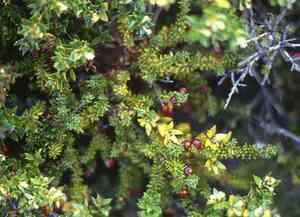
Empetrum rubrum, a unique evergreen shrub recognized for its thick, ground-hugging nature, thrives with early spring trimming. Essential methods involve eliminating deceased or injured limbs to encourage robust development and sculpting the shrub to preserve its condensed shape. Trimming in early spring coincides with the plant's period of vigorous growth, guaranteeing peak recuperation and strength. This practice enhances air movement and diminishes the likelihood of ailments, leading to a more robust and visually appealing specimen.
What Are the Benefits of Pruning Empetrum Rubrum?
What Are the Benefits of Pruning Empetrum Rubrum?
Trimming empetrum rubrum promotes vigorous growth by eliminating dead or damaged branches, which in turn stimulates new development. It also helps maintain the plant's form, fostering a more attractive shape and preventing excessive growth.
What Is the Best Time for Pruning Empetrum Rubrum?
What Is the Best Time for Pruning Empetrum Rubrum?
Early spring is the optimal period to prune empetrum rubrum due to several key considerations. During this time, the plant is either still dormant or just beginning to emerge, meaning pruning can encourage robust new growth once the growing season commences. This timing also lowers the risk of infection or disease as wounds can heal rapidly when the plant exits dormancy. Furthermore, pruning in early spring aids in shaping the plant and removing any dead or damaged branches that may have occurred over winter, preparing it for a strong growing season.
What Tools Do I Need to Prune Empetrum Rubrum?
Bypass Pruners
Perfect for precise cuts on smaller branches, ensuring clean cuts without harming plant tissue. Ideal for the often delicate branches of empetrum rubrum.
Anvil Pruners
Useful for cutting thicker, dead branches. Their crushing action makes it easier to remove stiffer, woody parts of empetrum rubrum.
Pruning Saw
Effective for cutting through thicker stems and larger branches of empetrum rubrum that are too substantial for pruners. Allows for smoother cuts.
Long-handled Loppers
Suitable for reaching higher branches or cutting through thicker stems without strain. Their leverage simplifies handling denser or out-of-reach parts of empetrum rubrum.
Hand-held Shears
Convenient for trimming small twigs and shaping. Essential for preserving the aesthetic appearance of empetrum rubrum.
How to Prune Empetrum Rubrum
Inspect
Carefully examine empetrum rubrum to identify areas requiring pruning, focusing on diseased leaves, withered leaves, dead branches, and diseased branches.
Sanitize
Disinfect your pruning tools using a solution of one part bleach to nine parts water to prevent disease transmission.
Remove Diseased
Remove any diseased leaves and branches by making clean cuts close to the base of the affected area to prevent further infection.
Trim Dead
Cut off dead branches and withered leaves at their base or nearest healthy section, ensuring clean cuts angled away from buds to promote healthy growth.
Dispose
Discard all pruned materials far from empetrum rubrum, ideally by burning or sealing in bags, to prevent pests and diseases from spreading back to the plant.
Common Pruning Mistakes with Empetrum Rubrum
Incorrect Technique
Employing improper pruning methods, such as making jagged cuts or using dull tools, can harm plant tissue and leave it susceptible to disease and pests.
Over-Pruning
Cutting back too much of the plant at once can stress empetrum rubrum, leading to reduced vigor and flowering. It's important to be conservative and avoid removing more than a third of the plant at any time.
Pruning at the Wrong Time
Although the season for pruning is not to be mentioned here, pruning at an unsuitable growth stage can disrupt empetrum rubrum's natural growth cycle and impede its development.
Ignoring Dead or Diseased Wood
Failing to remove dead, diseased, or damaged branches can lead to further health issues and diminish the plant's overall vitality.
Common Pruning Tips for Empetrum Rubrum
Use Sharp Tools
Always use clean, sharp pruning tools to make clean cuts and minimize damage to plant tissues. This helps prevent pathogen entry and encourages faster healing.
Prune Lightly
For empetrum rubrum, it's advisable to prune lightly and regularly rather than making large cuts infrequently. This helps maintain its shape and encourages continuous healthy growth.
Focus on Dead or Diseased Wood
Prioritize removing any dead, damaged, or diseased branches. This not only enhances the plant's appearance but also its health by preventing disease spread.
Shape the Plant
When shaping empetrum rubrum, make cuts just above a node (where leaves meet the stem). This encourages new growth from the node and helps maintain a compact, aesthetically pleasing form.



