How to Prune Riverbank wildrye?
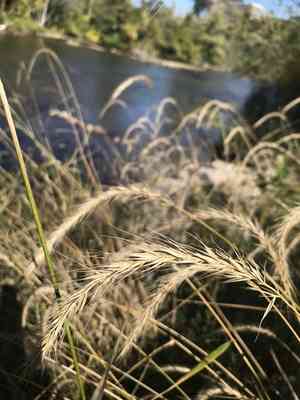
Elymus riparius, a resilient perennial grass, flourishes in waterside environments. For optimal pruning, trim back aged leaves in early spring or during winter to stimulate new development. This period coincides with the plant's inherent dormant stage, maximizing its recuperation and strength. Consistent trimming preserves the plant's well-being, manages its dimensions, and improves its visual attractiveness. Cut back extensively to eliminate deceased matter, fostering vigorous new sprouts.
What Are the Benefits of Pruning Riverbank Wildrye?
What Are the Benefits of Pruning Riverbank Wildrye?
Trimming riverbank wildrye encourages robust development and helps maintain its desired form. Cutting back older or overgrown stems promotes fresh, strong shoots, improving the plant's overall health and visual appeal.
What Is the Best Time for Pruning Riverbank Wildrye?
What Is the Best Time for Pruning Riverbank Wildrye?
Pruning riverbank wildrye in early spring, just before new growth begins, is beneficial as it fosters healthier and more vigorous development. Trimming at this time ensures that any winter-damaged or diseased parts are removed, allowing the plantâs energy to be directed towards producing new, healthy growth. Additionally, winter pruning, especially while the plant is dormant, is effective as it minimizes stress on riverbank wildrye. This timing helps to prevent the loss of sap, which is essential for its growth, and reduces the risks of pest invasion or disease infection that are more prevalent during warmer months.
What Tools Do I Need to Prune Riverbank Wildrye?
Hand Pruners
Perfect for cutting back dead or crowded stems of riverbank wildrye, promoting healthier growth by improving air circulation and light penetration.
Garden Scissors
Useful for snipping thin blades of riverbank wildrye to shape the plant or keep it contained, especially suited for detailed work on smaller and more delicate areas.
Long-Handled Loppers
Recommended for reaching into denser patches of riverbank wildrye without harming surrounding plants, allowing clean cuts on thicker stems that hand pruners cannot manage.
How to Prune Riverbank Wildrye
Identify
Examine riverbank wildrye for any indications of diseased or withered leaves. Inspect the plant thoroughly to ensure no leaves are missed, particularly those that may be concealed by healthy foliage.
Sanitize
Before beginning to prune riverbank wildrye, disinfect the cutting tools with a solution of bleach and water or rubbing alcohol. This helps prevent the spread of any diseases between plants.
Cut
Using sharp scissors or pruning shears, carefully remove the diseased and withered leaves at their base, close to the main stem. Ensure cuts are clean and precise to avoid damaging healthy parts of riverbank wildrye.
Dispose
Discard the removed leaves immediately by placing them in a sealed bag or bin. Do not compost these leaves as they might harbor pathogens that can infect compost or soil.
Inspect
After pruning, re-examine riverbank wildrye to ensure no diseased or damaged leaves have been overlooked. Check the general health of the plant and remove any additional problematic leaves if necessary.
Common Pruning Mistakes with Riverbank Wildrye
Oversheening
A frequent error in pruning riverbank wildrye is removing too much foliage at once. This can shock the plant, leading to stunted growth or a significant reduction in its vitality.
Impropercuttechnique
Using incorrect cutting techniques can damage the stems of riverbank wildrye, potentially leading to disease and poor growth patterns. Cuts should be clean and made at a slight angle to prevent water accumulation.
Neglectinghealthystems
Sometimes, both novice and experienced gardeners focus solely on removing obviously dead or diseased stems and overlook the importance of occasionally thinning out healthy stems to improve light and air penetration.
Common Pruning Tips for Riverbank Wildrye
Sharpandclean
Ensure that all pruning tools are sharp and clean. This helps make precise cuts that heal quickly, preventing disease in riverbank wildrye.
Judiciouspruning
While pruning riverbank wildrye, it's crucial to be judicious. Remove only the necessary amount of growth to maintain plant health and desired shape, typically no more than one-third of the plant at a time.
Focusondeadordiseased
Priority should be given to removing dead or diseased foliage. This not only improves the appearance and health of riverbank wildrye but also enhances air circulation, which is vital for reducing the risk of fungal infections.



