How to Prune Cardamom?
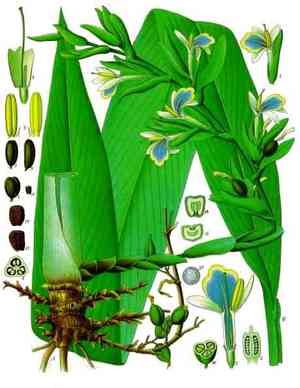
Cardamom, a tropical perennial herb recognized for its fragrant seed pods, flourishes with consistent trimming. Remove any yellowed or deceased foliage to encourage development and airflow. After harvesting, cut back spent flower stems to rejuvenate the plant. The best time for pruning is during spring or early summer, allowing for recovery and vigorous growth throughout its active period. Refrain from extensive cutting to prevent harm. Trimming improves the caliber of the harvest by directing the plant's resources toward pod formation.
Advantages of Trimming Cardamom
Advantages of Trimming Cardamom
Trimming cardamom promotes strong development and maintains its desired shape. By selectively removing stems, gardeners can encourage more vigorous plant growth, ensuring cardamom thrives with a well-defined, appealing look.
Optimal Time for Trimming Cardamom
Optimal Time for Trimming Cardamom
Trimming cardamom in early Spring allows for the removal of any winter-damaged leaves before new growth begins. This timing supports healthy development and vitality as the plant enters its active growth phase. Early Summer trimming, prior to monsoon or heavy rain seasons, can help shape the plant, improve air circulation, and prevent fungal diseases which are more common in wet conditions. Trimming during Fall is not advised as it can stimulate new growth that may not adequately harden before colder temperatures arrive, potentially harming the plant. The suggested seasons will help maintain plant structure, encourage productive growth, and ensure a good harvest during the fruiting period, which typically follows the flowering stage in late Summer and Fall.
Required Tools for Trimming Cardamom
Hand Pruners
Perfect for making precise cuts on the green stems of cardamom without causing harm to the plant. They offer accuracy and control, essential for removing dead or diseased pods and stems.
Pruning Shears
Best suited for addressing older, woody cardamom stems that may need thinning for improved air flow and light penetration. Ensure the shears are sharp to avoid tearing the stems.
Gloves
Crucial for protecting the gardener's hands when handling cardamom, as they can help prevent skin irritation from prolonged contact or scratches during the trimming process.
Loppers
Useful for reaching higher stems and cutting through thicker branches that are inaccessible with hand pruners or too thick for pruning shears. They provide the necessary leverage for clean, effortless cuts.
How to Trim Cardamom
Clean Tools
Sanitize trimming tools before beginning to prevent disease transmission. Use a solution of one part bleach to nine parts water to clean the blades.
Remove Diseased Leaves
Carefully inspect cardamom for diseased leaves. Gently remove these leaves by cutting them at their base where they meet the stem, ensuring not to damage the stem itself.
Trim Withered Leaves
Identify and trim withered leaves to encourage healthy development. Cut these at the base as well, using sharp and clean shears to make a precise cut without tearing.
Prune Dead Branches
Examine cardamom for dead branches. Trim these branches close to the main stem without cutting into the healthy tissue. Ensure the cut is clean and angled to prevent water accumulation.
Cut Diseased Branches
Locate and cut diseased branches, making the cut well below the affected area to ensure all diseased tissue is removed. Dispose of all removed parts properly to avoid reinfection.
Common Trimming Errors with Cardamom
Excessive Trimming
Removing too much foliage which can stress cardamom, diminishing its vigor and yield.
Cutting Flowering Stems
Severing stems that are about to or currently blooming can significantly reduce cardamom's pod production.
Incorrect Tool Usage
Using dull or unclean trimming tools can result in jagged cuts, stress the plant, and introduce diseases to cardamom.
Trimming Healthy Growth
Unnecessarily removing healthy leaves and stems can limit cardamom's photosynthesis capacity and overall well-being.
Ignoring Dead Material Removal
Failing to trim away dead or dying foliage can hinder new growth and attract pests.
General Trimming Advice for Cardamom
Sanitation
Always use sharp, sanitized trimming tools to make clean cuts, which helps prevent disease spread in cardamom.
Disease Prevention
Promptly remove any yellowed, spotted, or diseased leaves to maintain the overall health of cardamom.
Promote Air Circulation
Thin out dense growth to improve air circulation, reducing the risk of fungal diseases in cardamom.
Encourage New Growth
Trim away old flower stems after the pods have been harvested to stimulate new growth in cardamom.
Tip Pruning
Practicing light tip trimming can encourage bushier growth in cardamom, increasing the potential yield.



