How to Prune Paperbush?
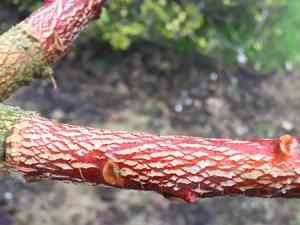
Celebrated for its aromatic, cold-season yellow blossoms and distinctive bark, paperbush flourishes with careful trimming. Perform cuts following the bloom period in late spring to sculpt and manage its dimensions. Removing aged, congested limbs fosters development and increases floral output. Eliminate compromised or lifeless wood at any point to preserve the plant's well-being. Refrain from severe reduction; this restricts flowering. The advantages of pruning encompass encouraged fresh development, enhanced air movement, and protection against ailments in paperbush.
What Are the Benefits of Pruning Paperbush?
What Are the Benefits of Pruning Paperbush?
Trimming paperbush promotes abundant blooms and strengthens disease resistance, resulting in a more robust, healthier specimen. Eliminating dead or weak stems enhances air circulation, deterring pests and fostering vigorous, attractive growth.
What Is the Best Time for Pruning Paperbush?
What Is the Best Time for Pruning Paperbush?
In late spring and early summer, paperbush has typically concluded its blooming phase, which usually occurs from late winter to early spring. Pruning at this time allows for shaping and size management without risking the removal of the current season's flowers. It also provides ample time for paperbush to recover before its dormant period in fall and winter. This timing aligns with the start of the plant's active growth cycle, where warmer temperatures and increased daylight support rapid healing and new development. Delaying pruning until after the flowering season ensures the plant's health is not compromised, and the aesthetic quality of its blooms can be enjoyed.
What Tools Do I Need to Prune Paperbush?
Hand Pruners
Perfect for trimming and shaping paperbush due to their ability to make precise cuts without harming delicate branches. Anvil or bypass pruners are suitable, but bypass is often preferred for live plant material for a cleaner cut.
Pruning Saw
Essential for removing larger, more mature stems or branches that hand pruners cannot manage. The fine teeth and narrow blade of a pruning saw are ideal for the detailed work required without causing unnecessary damage to paperbush.
Loppers
These offer leverage for cutting through branches too thick for hand pruners but not large enough for a saw. They assist in maintaining the overall form of paperbush, especially for reaching inner or higher branches.
Gloves
To safeguard hands from the sticky sap that paperbush may release and to ensure a better grip on pruning tools, thereby enhancing safety and precision.
Garden Shears
Useful for trimming softer or non-woody parts of paperbush for shaping or light pruning to encourage denser growth, though they are less frequently needed for this specific plant.
How to Prune Paperbush
Step1: Preparing Sterilized Shears for Pruning
Don protective gloves and use clean, sharp pruning shears. Sanitize the shears with rubbing alcohol to prevent disease transmission.
Step2: Assessing Plant Health for Pruning Needs
Examine paperbush for overall health and identify which sections require trimming. Focus on dead wood, diseased branches, and spent flowers.
Step3: Removing Dead Wood from Plant
Begin by eliminating any dead wood. Make cuts at the base of the dead branches, close to the main stem, without harming healthy tissue.
Step4: Pruning Diseased Branches to Prevent Spread
Identify and cut away any diseased branches. Prune well below the affected area, several inches into healthy wood, to ensure the disease does not spread.
Step5: Trimming Spent Flowers to Encourage Growth
Trim spent flowers after blooming, cutting back to the base of the flower stem. This helps maintain the shape of paperbush and promotes new growth.
Step6: Shaping Plant by Selective Branch Trimming
Shape paperbush by cutting back overgrown branches to a desired length. Make cuts just above leaf nodes at a 45-degree angle facing away from the plant's center to encourage outward growth.
Step7: Avoiding Heavy Pruning to Protect Plant
Refrain from heavy pruning. Paperbush should be pruned lightly as it may not respond well to severe cutting back.
Step8: Cleaning Up Pruning Debris
After pruning, clear all trimmings from the area to prevent any disease from lingering in the debris.
Step9: Watering Plant Post-Pruning for Recovery
Water paperbush thoroughly after pruning to help reduce plant stress and encourage recovery.
Step10: Monitoring Plant for Post-Pruning Health and Growth
Observe paperbush for signs of new growth and health, ensuring successful recovery from the pruning process.
Post-Pruning Care for Paperbush
Post-Pruning Care for Paperbush
After pruning, paperbush needs consistent moisture, so water immediately and maintain a regular watering schedule without over-saturating the soil. Avoid direct sunlight and keep paperbush in partial shade to prevent stress. Ensure temperatures remain above freezing, as paperbush is sensitive to cold. Apply a balanced, slow-release fertilizer to replenish nutrients and support regrowth. Monitor the pruning sites for any signs of infection or pests, indicated by discolored leaves or sap oozing. If any issues arise, treat promptly with the appropriate fungicide or pesticide.
Common Pruning Mistakes with Paperbush
Avoid Cutting Into Old Wood
Cutting into old wood can harm paperbush, as it may not produce new shoots from old wood and can diminish the plant's flowering potential.
Do Not Over-Prune
Excessive pruning can stress paperbush, potentially leading to reduced vigor and fewer flowers since paperbush blooms on previous year's growth.
Remove Dead or Damaged Branches
Failing to remove dead or damaged branches may lead to disease and weakens the overall health of paperbush.
Make Clean, Angled Cuts
Making cuts that are not clean or angled can lead to water pooling and increase the risk of disease in paperbush.
Disinfect Pruning Tools
Pruning without disinfecting tools can introduce pathogens to paperbush, increasing the risk of infections.
Common Pruning Tips for Paperbush
Selective Thinning for Shape and Circulation
Perform selective thinning of paperbush to maintain an open, natural shape and promote good air circulation, which is vital for plant health.
Prune Dead or Diseased Wood Only
Remove only the dead, diseased, or broken branches to keep paperbush healthy and to prevent excessive removal of live growth that would reduce flowering.
Clean Cuts at 45-Degree Angle
Make clean cuts at a 45-degree angle just above a leaf node or bud to encourage proper healing and new growth in paperbush.
Use Sharp, Sterilized Tools
Use sharp and sterilized pruning tools to make precise cuts and reduce the chances of infecting paperbush with diseases.
Retain Natural Plant Structure
Preserve the structure of paperbush by following its natural form rather than over-pruning, which can allow for the best display of its distinctive flowers and branching.



