How to Prune Blacksamson echinacea?
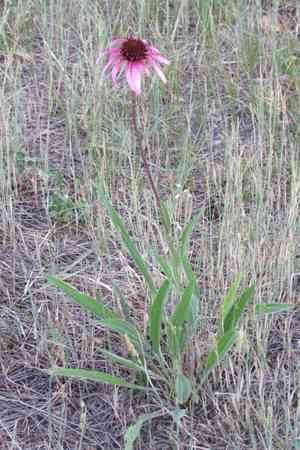
The robust perennial, blacksamson echinacea, recognized for its coneflower-like blossoms, greatly thrives with appropriate trimming. Removing faded blooms encourages more flowering and stops the plant from reseeding itself. After the flowering period, or in the spring, shorten stems to a leaf joint to foster a denser form and fresh development. Autumn pruning can strengthen root systems, though it's advisable to retain some flower heads for visual appeal during winter and for local fauna. Always employ sanitized, keen implements to avert the spread of pathogens and facilitate rapid recovery.
What Are the Advantages of Trimming Blacksamson Echinacea?
What Are the Advantages of Trimming Blacksamson Echinacea?
Trimming blacksamson echinacea promotes more flowers, supports robust development, and keeps a neat form. This targeted cutting redirects energy to produce vibrant blossoms and a strong structure.
When Is the Optimal Time for Trimming Blacksamson Echinacea?
When Is the Optimal Time for Trimming Blacksamson Echinacea?
Trimming blacksamson echinacea in spring coincides with the plant's awakening from dormancy, fostering healthy development and a sturdy shape. Late summer trimming is also appropriate after blacksamson echinacea has flowered, allowing for the removal of spent blooms to encourage reblooming and maintain a tidy look. Autumn trimming should be minimal, focusing on eliminating any damaged or diseased growth before winter, without significant cutting back, to avoid stimulating new growth that might not endure cold temperatures.
What Tools Are Necessary to Trim Blacksamson Echinacea?
Bypass Pruners
Perfect for making precise cuts on blacksamson echinacea's stems during thinning or deadheading. Bypass pruners operate like scissors, with two curved blades that slide past each other, making them ideal for cleanly cutting live tissue without crushing the plant's delicate stems.
Garden Scissors
Useful for snipping off faded flowers or dead leaves from blacksamson echinacea. They allow for meticulous cutting control, which is helpful in preserving the plant's appearance without harming surrounding foliage.
Pruning Snips
Best for deadheading blacksamson echinacea's flowers or precise trimming of smaller stems. Their slender blades can access tight spaces, making them excellent for detailed work on this plant.
Gloves
Not a cutting tool, but protective gloves are essential when trimming blacksamson echinacea to avoid the plant’s spiny stems and potential skin irritation from handling it.
How to Trim Blacksamson Echinacea
Cleanup
Start by gently clearing any debris from beneath blacksamson echinacea to prevent disease and pests. Ensure to dispose of any plant material far from the garden to avoid contaminating other plants.
DiseasedLeaves
Inspect blacksamson echinacea for any indications of diseased leaves. Using a pair of sanitized pruning shears, carefully cut away any leaves that show signs of illness. Make the cuts at the base of the affected leaves to prevent the spread of disease.
WitheredLeaves
Identify withered or dead leaves on blacksamson echinacea. Using the pruning shears, trim these leaves at their base, close to the stem. Be careful not to damage new buds or adjacent healthy foliage.
WitheredFlowers
Look for withered flowers on blacksamson echinacea and deadhead them by snipping the stem below the flower head. This encourages new growth and helps maintain plant vigor.
CleanTools
After trimming blacksamson echinacea, clean and disinfect your pruning tools thoroughly to prevent the spread of disease to other plants or a recurrence of the disease on blacksamson echinacea during the next trimming.
Common Trimming Errors with Blacksamson Echinacea
Overpruning
Cutting back blacksamson echinacea too severely can shock the plant, potentially reducing bloom production and overall vigor. Blacksamson echinacea benefits from a conservative approach to trimming.
Incorrect cutting technique
Using dull or unsanitary tools can lead to jagged cuts and potential infection. Clean, sharp tools are crucial for making clean cuts that blacksamson echinacea can heal from quickly.
Removal of healthy tissue
Removing too much foliage or healthy stems can limit blacksamson echinacea's photosynthetic ability and reduce energy reserves needed for flowering and growth.
Pruning during active growth
Cutting blacksamson echinacea back during its active growing phase can interrupt the growth cycle and affect flower production adversely.
Common Trimming Tips for Blacksamson Echinacea
Deadheading
Regularly removing faded or spent flowers encourages blacksamson echinacea to produce more blooms and can prevent excessive self-seeding.
Selective thinning
Thinning out crowded areas promotes better air circulation, reducing the risk of fungal diseases and encouraging sturdier growth.
Shape maintenance
Trimming blacksamson echinacea to maintain its natural form rather than into a tight, unnatural shape will promote healthy growth and enhance its aesthetic appeal.
Post-bloom pruning
Cutting back blacksamson echinacea's stems after blooming can tidy up the plant and sometimes encourages a second flush of blooms on certain varieties.



