How to Prune Borneo camphor?
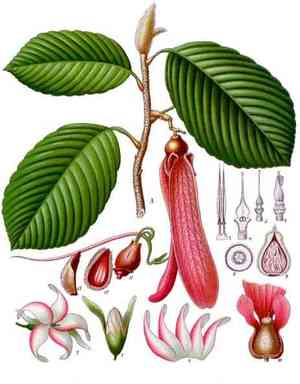
Borneo camphor, a majestic tropical evergreen recognized for its fragrant sap, thrives in humid environments. Perform pruning in winter when its development decelerates, providing ample time for recuperation prior to spring. Eliminate deceased or intersecting limbs to ensure proper air circulation and light exposure. Reducing the density of the crown stimulates development. Consistent trimming averts excessive mass and potential harm. Pruning also aids in the collection of resin, which is crucial to borneo camphor's financial worth. Due to the tree's substantial dimensions, lopping shears or saws are advisable.
Advantages of Trimming Borneo Camphor
Advantages of Trimming Borneo Camphor
Trimming borneo camphor promotes robust development and maintains its desired form. Deliberate cuts help redirect energy to healthy limbs, boosting the plant's vigor and aesthetic appeal.
Optimal Period for Pruning Borneo Camphor
Optimal Period for Pruning Borneo Camphor
Winter pruning is advantageous for borneo camphor as the plant is typically dormant during this season. Pruning at this time minimizes plant stress and reduces the risk of infection and pest infestation, which are more likely in warmer, active growth periods. Furthermore, without foliage, it's easier to make precise cuts and effectively shape the plant. It also prepares borneo camphor for vigorous spring growth, as pruning can stimulate new, more robust growth when the plant breaks dormancy. Avoiding pruning during flowering or fruiting ensures borneo camphor's natural cycle remains undisturbed, allowing its reproductive process to continue effectively.
Essential Tools for Pruning Borneo Camphor
Bypass Pruners
Perfect for making clean cuts on borneo camphor's young or green wood. They ensure accurate cuts without tissue damage, fostering healthy regrowth.
Lopping Shears
Best for cutting through thicker borneo camphor branches that bypass pruners can't handle, typically up to 2 inches in diameter.
Pruning Saws
Required for removing larger limbs from mature borneo camphor trees. A saw with coarse teeth is preferred for cutting live wood, resulting in a smooth cut that heals well.
Pole Pruners
Useful for reaching higher borneo camphor branches, allowing canopy pruning without ladders, which improves safety.
Hedge Shears
Suitable for shaping and maintaining borneo camphor foliage if grown as a hedge, as they can create a neat, straight line when trimming multiple branches simultaneously.
How to Prune Borneo Camphor
Sanitation
Before pruning borneo camphor, ensure all tools are sanitized to prevent disease spread. Use a bleach and water solution or alcohol to clean blades.
Identification
Carefully inspect borneo camphor for dead branches, which often appear dry, brittle, and lack green growth. Similarly, identify diseased branches, which may show signs of fungus, abnormal growths, or discoloration.
Cutting dead branches
Using sharp pruning shears or a saw for thicker branches, make clean cuts to remove dead branches at their origin or back to a main limb. Avoid leaving stubs, as they can be entry points for pests and diseases.
Cutting diseased branches
Prune diseased branches by cutting at least several inches into healthy wood beyond the diseased tissue to ensure complete removal of infected parts. Disinfect pruning tools after each cut when dealing with diseases.
Disposal
Properly dispose of removed dead and diseased branches by burning or removing them from the site to prevent potential disease spread to healthy borneo camphor parts or other plants.
Common Pruning Errors with Borneo Camphor
Over-pruning
Removing too much foliage at once can stress borneo camphor, hindering its growth and recovery. Be careful not to cut more than a third of the total plant in one pruning session.
Improper cuts
Incorrect cutting angles or bark tearing can damage borneo camphor, making it vulnerable to infections. Make clean cuts at a 45-degree angle just above a node or branch junction.
Pruning too frequently
Borneo camphor needs time to heal and produce new growth after pruning. Pruning too often can lead to reduced vigor and fewer flowering opportunities.
Neglecting tool sanitation
Using dirty or contaminated tools can spread disease to borneo camphor. Sanitize tools with a bleach or alcohol solution before and after pruning to prevent pathogen transmission.
Ignoring plant structure
Random cuts without understanding borneo camphor's natural form can result in an unnatural and potentially unhealthy shape. Take time to assess the plant's structure before making any cuts.
General Pruning Advice for Borneo Camphor
Identify objective
Determine the purpose of pruning borneo camphor before starting, whether it's to shape the plant, remove dead growth, or encourage flowering. This will guide your approach and help avoid unnecessary cutting.
Sharp tools
Use sharp pruning shears or saws to ensure precise and clean cuts, which promote faster healing for borneo camphor. Dull tools can crush stems and branches, leading to poor healing.
Selective thinning
Remove only the necessary branches to encourage better airflow and light penetration within borneo camphor. This selective thinning supports healthy growth and can enhance flowering quality.
Target dead or diseased wood
Focus on cutting away any dead, damaged, or diseased branches from borneo camphor as these can hinder the plant's health and growth.
Prune for future growth
When pruning borneo camphor, always consider the direction you want new growth to take. Cut just above a bud facing the outside of the plant to encourage outward growth.



