How to Prune Spoonleaf sundew?
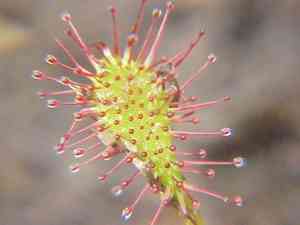
Distinguished by its carnivorous nature and spatulate foliage, spoonleaf sundew thrives with infrequent trimming. Remove withered or compromised traps in the spring or early summer, employing sanitized implements to avert illness. This targeted trimming preserves spoonleaf sundew's vigor and fosters more robust traps. Refrain from excessive pruning, as this can impede development. Prune judiciously, concentrating on mature growth to encourage the emergence of new traps. Trimming during periods of active growth enhances spoonleaf sundew's health and its capacity for capturing prey.
What Are the Benefits of Pruning Spoonleaf Sundew?
What Are the Benefits of Pruning Spoonleaf Sundew?
Trimming spoonleaf sundew promotes robust development and helps maintain its compact, appealing shape. It can encourage new growth, leading to a lush, full appearance.
What Is the Best Time for Pruning Spoonleaf Sundew?
What Is the Best Time for Pruning Spoonleaf Sundew?
Trimming spoonleaf sundew in Spring and early Summer aligns with post-dormancy energy surges and pre-flowering growth phases. The longer daylight hours and mild temperatures stimulate spoonleaf sundew's recovery and growth following pruning. Pruning during Spring removes any dead or damaged vegetation from winter, while early Summer trimming ensures the plant has ample time to heal and redirect energy to healthy growth before entering the slower-growth phases of late Summer and Fall. These periods avoid disrupting the flowering phase, which typically occurs in Late Summer, and ensures the plant maintains vigor and optimal health.
What Tools Do I Need to Prune Spoonleaf Sundew?
Small precision scissors or micro-tip snips
Given the delicate nature of spoonleaf sundew, utilizing small precision scissors or micro-tip snips enables gardeners to carefully remove dead or decaying leaves without harming the surrounding live carnivorous leaves. Such instruments offer the necessary control and accuracy.
Fine-tipped tweezers
Fine-tipped tweezers are perfect for spoonleaf sundew as they can be used to gently extract any debris or insects that might get stuck in the sticky mucilage without harming the plant. This ensures that only unwanted material is removed, preserving the plant's integrity.
Sterile disposable gloves
Since spoonleaf sundew has a sticky surface that can be easily contaminated, wearing gloves helps prevent the transfer of oils and dirt from hands to the plant. Sterile disposable gloves are recommended to maintain hygiene and avoid any potential disease spread during the pruning process.
Alcohol wipes
Using alcohol wipes to clean tools before and after pruning spoonleaf sundew ensures they are free of pathogens and prevents the spread of diseases. This is crucial when handling plants sensitive to contamination.
How to Prune Spoonleaf Sundew
Identify
Examine spoonleaf sundew closely to locate diseased leaves, withered leaves, and affected stems that require trimming. Look for discolored or deformed foliage, and any stems that appear unhealthy or show signs of infection.
Sterilize
Before beginning, sterilize your pruning tools using rubbing alcohol or a bleach solution to prevent the spread of disease during the pruning process.
Trim leaves
Using precision tweezers or small clippers, gently remove diseased and withered leaves from spoonleaf sundew. Be careful not to damage nearby healthy tissue. If leaves stick to the tool, dip in water to release them without tearing.
Cut stems
If diseased stems are present, cut them back to the base or to the next healthy section, ensuring you do not leave stubs which can harbor pests or diseases. Make the cuts clean and precise to aid the healing process.
Dispose
Discard all removed material far from spoonleaf sundew or any other plants to prevent the potential spread of disease. Do not compost diseased plant materials as they can contaminate the compost.
Common Pruning Mistakes with Spoonleaf Sundew
Over pruning
Removing too many leaves or traps from spoonleaf sundew can stress the plant, leading to weak growth and reduced vigor.
Cutting healthy traps
Trimming healthy, active traps on spoonleaf sundew is counterproductive as these are vital for the plant's nutrition through insect capture.
Removing live flower stalks
Snipping the live flower stalks can be detrimental as it can induce stress and interfere with the reproductive process of spoonleaf sundew.
Pruning during peak growing season
Trimming spoonleaf sundew during its peak growth period can hinder the plant’s development and reduce its ability to photosynthesize efficiently.
Using dirty tools
Pruning with unclean tools can introduce pathogens to spoonleaf sundew, which may lead to infections or pest infestations.
Common Pruning Tips for Spoonleaf Sundew
Dull traps removal
Carefully remove brown, spent, or withered traps of spoonleaf sundew to direct the plant's energy towards producing new, healthy growth.
Dead flower stalks removal
Trimming away dead or dying flower stalks after the blooms have faded can help spoonleaf sundew to conserve energy for trap production and growth.
Gentle technique
Employ a gentle approach when pruning spoonleaf sundew to avoid damaging the sticky, delicate traps and nearby healthy growth.
Sterile instruments
Always use sterilized scissors or pruning tools when trimming spoonleaf sundew to prevent the spread of disease.
Post-flowering trim
Pruning spoonleaf sundew after flowering can help revitalize the plant and stimulate new, healthy growth while avoiding any energy waste on spent blooms.



