How to Prune Isu tree?
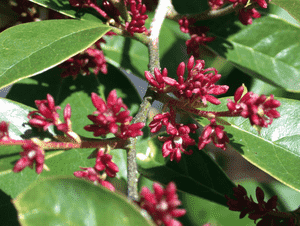
This perennial woody plant, recognized for its thick leaves and immunity to ailments, thrives with trimming to preserve its form and stimulate more compact development. The optimal period for pruning isu tree is during the winter season when the plant is inactive. Reducing congested limbs and eliminating deceased or injured sections aids in improving air movement. Consistent trimming additionally boosts the plant's aesthetic appeal by fostering new leaves and sustaining a pleasing look. Always employ sanitized, keen implements to avert the spread of pathogens throughout the procedure.
What Are the Benefits of Pruning Isu Tree?
What Are the Benefits of Pruning Isu Tree?
Trimming isu tree promotes robust development by reallocating energy to strong branches and leaves. Strategic cuts help isu tree maintain its desired form and size, enhancing its visual appeal while fostering a sturdy structure.
What Is the Best Time for Pruning Isu Tree?
What Is the Best Time for Pruning Isu Tree?
The period from late winter to early spring is optimal for pruning isu tree primarily because the plant remains dormant, and the chance of frost damage to fresh cuts is minimal. Pruning at this time encourages strong growth as the plant enters its active growth phase in spring. Additionally, since isu tree may retain old foliage from the previous season, pruning before new growth starts helps shape the plant and allows for the removal of any damaged or diseased wood. It avoids interfering with flower or fruit development, as isu tree typically blooms on new wood. Furthermore, pruning during dormancy offers gardeners a clearer view of the plant's structure, leading to more precise cuts and overall healthier growth for the upcoming season.
What Tools Do I Need to Prune Isu Tree?
Hand Pruners
Essential for making clean cuts on isu tree's smaller branches and dead foliage. Opt for bypass pruners for precise cutting action suitable for living stems and branches up to 3/4 inch in diameter.
Lopping Shears
Perfect for trimming thicker branches, between 1 1/2 to 2 inches. These provide the necessary leverage for branches too thick for hand pruners.
Hedge Shears
Useful for shaping isu tree's dense foliage. They create straight, broad cuts when forming hedges or for routine maintenance of the shrub's shape.
Pruning Saw
Needed for cutting branches over 2 inches in diameter. This allows for controlled cuts on isu tree's larger limbs without harming the plant.
Pole Pruner
Recommended for safely reaching higher branches from ground level. This helps preserve the natural form of isu tree without requiring ladders.
How to Prune Isu Tree
Clean Tools
Before beginning, ensure all pruning tools are clean and sharp to prevent disease spread and to make clean cuts that will heal faster.
Identify Parts
Carefully inspect isu tree to locate dead or diseased branches. These often appear discolored, wilted, or may show visible signs of infection like fungus or peeling bark.
Cut Diseased Branches
Using your pruning tools, cut diseased branches well below the affected areas. Ensure the cut is made where the branch's tissue looks healthy and vibrant. Disinfect tools after each cut to prevent spreading pathogens.
Remove Dead Branches
Prune dead branches by cutting them at their point of origin or back to a main branch. Avoid leaving stubs as they can be entry points for pests and diseases.
Clean Up
After pruning, clear all removed material from the ground to reduce the likelihood of disease spread. Dispose of diseased material away from healthy plants.
Common Pruning Mistakes with Isu Tree
Over Pruning
Removing too much foliage at once can shock isu tree and impede its ability to thrive. It's crucial to prune no more than one-third of the plant's growth at a time to maintain its health.
Incorrect Cut Location
Cutting too far from a bud or node or into the branch collar can leave isu tree susceptible to pests and diseases. Proper cuts should be made just above buds or branching points to encourage healthy regrowth.
Using Dull Tools
Dull pruning tools can cause jagged cuts that harm isu tree and make it prone to infection. Always use sharp, clean tools to make precise cuts.
Pruning Without Plan
Random or excessive cuts without understanding the plant's structure can lead to poor growth patterns and diminished vitality in isu tree. Each cut should be purposeful and contribute to the plant's overall shape and health.
Neglecting Cleanup
Failing to remove and dispose of all pruned material can increase the risk of disease and attract pests that may damage isu tree. A thorough clean-up helps maintain a healthy growing environment.
Common Pruning Tips for Isu Tree
Encouraging New Growth
To stimulate vigorous new growth in isu tree, make pruning cuts just above outward-facing buds or nodes. This directs growth outwards and helps maintain a desirable shape.
Thinning Interior Branches
To improve air circulation and light penetration, selectively thin out crowded interior branches. This encourages fuller foliage and reduces the likelihood of disease in isu tree.
Shaping Plant
When shaping isu tree, prune to maintain its natural habit. Identify the plant's existing form and prune to accentuate its best features while removing any unwanted growth.
Deadheading Spent Blooms
Remove spent flowers to promote the health of isu tree and to encourage continuous blooming throughout the growing season. This step also prevents the plant from wasting energy on seed production.
Cut Angle
Angle the cuts at about 45 degrees away from the bud to prevent water accumulation, which could lead to decay and fungal diseases affecting isu tree. The angled cut promotes quick healing and healthy growth.



