How to Prune Sticky monkey-flower?
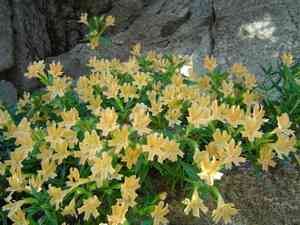
This lively perennial bush, recognized for its brilliant, orange-red blossoms, offers a striking contrast against its deep green leaves. To ensure peak vitality and floral production, sticky monkey-flower requires gentle trimming once its flowering period concludes, along with deadheading to stimulate further blooms. More substantial pruning can be carried out from the beginning of spring through late autumn to manage its form and dimensions. Refrain from severing into woody, non-sprouting branches, as this may diminish its flowering capacity. Trimming aids sticky monkey-flower by fostering fresh development and extending its longevity.
What Are the Benefits of Pruning Sticky Monkey-flower?
What Are the Benefits of Pruning Sticky Monkey-flower?
Trimming sticky monkey-flower promotes robust development and maintains its desired form. Strategic cutting encourages more shoots, leading to a denser, fuller look, thereby maximizing its decorative appeal.
What Is the Best Time for Pruning Sticky Monkey-flower?
What Is the Best Time for Pruning Sticky Monkey-flower?
Early spring trimming is ideal for clearing winter damage and preparing sticky monkey-flower for new growth and blooms. Pruning at this time fosters a compact, bushy habit and abundant flowering. While sticky monkey-flower can be pruned in summer or early fall, this ensures ample recovery time before winter. Late fall pruning requires caution, ensuring it's early enough to prevent new growth susceptible to frost damage. These periods align with sticky monkey-flower's active growth phase, optimizing plant health and flowering potential.
What Tools Do I Need to Prune Sticky Monkey-flower?
Hand Pruners
Perfect for making clean cuts on sticky monkey-flower's delicate stems and removing dead or diseased parts without harming the plant.
Pruning Shears
Suitable for shaping sticky monkey-flower and managing its spread, as they easily cut through small to medium-sized stems.
Gloves
Essential for protecting the gardener's hands from thorns or sharp plant components during the pruning process of sticky monkey-flower.
Pruning Saw
Useful for sticky monkey-flower if any older, thicker branches need removal, though this tool may be seldom required given sticky monkey-flower's growth pattern.
How to Prune Sticky Monkey-flower
Step1: Deadheading Faded Blooms
Identify dead or spent flowers on sticky monkey-flower to enhance its appearance and stimulate new blossoms. Use clean, sharp pruners or garden-specific scissors.
Step2: Angled Cutting for Health
Carefully snip the spent flower stems just above the first set of living leaves. Ensure cuts are angled to allow water runoff and prevent disease.
Step3: Removing Lanky Stems
Inspect sticky monkey-flower for elongated or sparse stems that detract from its desired shape or are rubbing against others, which can cause wounds and invite disease.
Step4: Pruning for Directional Growth
Cut these lanky stems back to a healthy bud or leaf set facing the desired direction of new growth. This helps maintain a fuller shape and encourages bushier development.
Step5: Thinning for Air and Light Penetration
Thin out crowded areas by removing some interior stems to allow light and air to reach the core of sticky monkey-flower, reducing disease risk.
Step6: Light Shaping for Natural Appearance
For shaping sticky monkey-flower, lightly trim the outer edges to maintain a natural look, avoiding heavy pruning that can harm the plant's overall health and flowering capacity.
Step7: Cleaning Tools to Prevent Disease Spread
After each cut, sanitize your pruners to prevent the spread of pests or diseases to other parts of sticky monkey-flower or other garden plants.
Step8: Disposing of Pruning Debris
Discard removed plant material in a green waste bin or compost pile to prevent any disease from spreading in the garden.
Step9: Post-Pruning Plant Care
Finally, water sticky monkey-flower thoroughly after pruning, and consider applying a balanced, slow-release fertilizer to aid recovery and new growth.
Post-Pruning Care for Sticky Monkey-flower
Post-Pruning Care for Sticky Monkey-flower
After trimming sticky monkey-flower, water it immediately to lessen stress. Keep it in partial shade and ensure adequate humidity to support recovery. Avoid extreme temperatures. Fertilize with a balanced, slow-release product to encourage growth. Monitor sticky monkey-flower for wilting, discoloration, or infection signs. If symptoms appear, treat with appropriate fungicides and adjust care. Regularly check and maintain optimal post-pruning conditions for healthy regrowth.
Common Pruning Mistakes with Sticky Monkey-flower
Overzealous Pruning Causes Shock and Fewer Flowers
Cutting back sticky monkey-flower too aggressively, which can lead to plant shock and reduced blooming.
Dull Tools Damage Stems and Spread Disease
Using blunt or unclean pruning tools, which can injure sticky monkey-flower stems and introduce pathogens.
Pruning Without Plan Leads to Uneven Growth
Trimming without a clear objective, resulting in uneven development and a potentially less attractive form.
Ignoring Dead Wood Compromises Plant Health
Failing to remove dead or diseased wood, which can impede sticky monkey-flower's overall health and vitality.
Uniform Branch Cuts Ruin Natural Plant Shape
Pruning all branches to the same length, risking a loss of natural shape and leading to a less appealing plant.
Common Pruning Tips for Sticky Monkey-flower
Sharp, Clean Cuts Aid Quick Recovery and Disease Prevention
Use clean, sharp secateurs for precise cuts, which help sticky monkey-flower recover faster and lower disease risk.
Shape Plants With Targeted Overgrown Branch Trimming
Focus on shaping sticky monkey-flower by cutting back overgrown branches to maintain a balanced, appealing form.
Deadheading Encourages Blooms and Controls Seeding
Regularly remove spent flowers to promote more blooming and prevent unwanted self-seeding.
Thin Branches to Boost Airflow and Prevent Fungus
Thin out dense internal branches to improve air circulation, which reduces the likelihood of fungal infections in sticky monkey-flower.
Selective Pruning Preserves Natural Shape and Promotes New Growth
Prune selectively to maintain sticky monkey-flower's natural habit; cut just above a leaf node or lateral branch to encourage healthy new growth.



