How to Prune Venus flytrap?
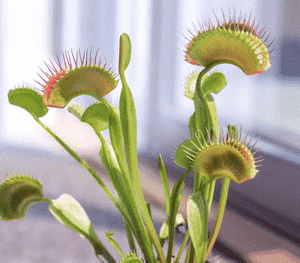
This predatory plant, featuring leaves resembling jaws, ensnares insects for sustenance. For the venus flytrap, remove spent traps and flower stems at their base to enhance well-being and direct energy towards fresh development. The ideal period for trimming is during its active growth phase, from early spring through late autumn. Refrain from severing living traps, as they contribute to photosynthesis and nutrient acquisition. Advantages of pruning encompass sustaining vitality and hindering the spread of decomposition to sounder sections.
What Are the Benefits of Pruning Venus Flytrap?
What Are the Benefits of Pruning Venus Flytrap?
Trimming venus flytrap promotes robust development by reallocating energy to create strong traps. It also assists in maintaining an attractive form and size for optimal display.
What Is the Best Time for Pruning Venus Flytrap?
What Is the Best Time for Pruning Venus Flytrap?
Trimming venus flytrap in early spring is perfect as the plant is emerging from dormancy and starting its growth cycle, enabling quick recovery and energy focus on new growth. Pruning in late fall helps remove old growth before venus flytrap enters dormancy, preventing potential disease and supporting overall plant health. Avoid pruning during active growth and flowering to ensure venus flytrap can fully use its leaves for photosynthesis and efficient prey capture.
What Tools Do I Need to Prune Venus Flytrap?
Fine-tipped Scissors
Small, precise instruments such as fine-tipped scissors or small snips are recommended for venus flytrap due to its delicate structure. These tools allow for careful removal of dead or dying traps without harming adjacent healthy traps.
Sterilized Tools
Ensuring that cutting implements are disinfected before pruning venus flytrap is vital to prevent the introduction of diseases or pests. Sterilization can be achieved with rubbing alcohol or a bleach solution.
Tweezers
For smaller or more precise tasks like removing tiny debris or dead insects from venus flytrap's traps, tweezers can be utilized. This minimizes contact and avoids unnecessarily triggering the trap mechanisms.
How to Prune Venus Flytrap
Step1: Inspect for Damaged Traps
Examine venus flytrap to identify traps that have turned black, brown, or show other signs of damage, decay, or death. Healthy traps are typically vibrant green or red, depending on light exposure.
Step2: Sanitize Pruning Tools
Prepare a pair of scissors or small pruning shears by sanitizing them with isopropyl alcohol to ensure no pathogens are introduced while pruning venus flytrap.
Step3: Trim Off Damaged Traps
Using your sanitized cutting tool, carefully snip the damaged trap off where it connects to the rosette at the plant's base. Be sure not to cut into the green, healthy tissue.
Step4: Dispose of Dead Material
Discard the removed trap material far from venus flytrap to prevent any potential disease or attraction of decomposing pests.
Step5: Monitor Plant Post-Pruning
Observe venus flytrap for a few days after pruning to ensure there are no signs of distress or infection at the cut site.
Step6: Continue Regular Care
During the growing season, continue to provide venus flytrap with appropriate care, including adequate sunlight, distilled water, and a suitable growing medium.
Step7: Repeat Pruning if Necessary
If you notice further decay or damage developing in other traps or on the leaves, repeat the pruning process as needed, keeping the plant healthy and promoting new growth.
Post-Pruning Care for Venus Flytrap
Post-Pruning Care for Venus Flytrap
Immediately after trimming venus flytrap, maintain high humidity and avoid direct sunlight to prevent stress. Provide bright, indirect light and ensure the temperature stays between 70-95°F. Gently water the soil without fertilizing, as venus flytrap prefers nutrient-poor conditions. Monitor for browning traps or sluggish closure, indicating stress or infection. If signs appear, adjust care and consider a sterile, peat-based growing medium to aid recovery.
Common Pruning Mistakes with Venus Flytrap
Avoid Pruning Healthy Plant Traps
Trimming venus flytrap's healthy traps is a frequent error. These traps are vital for the plantâs photosynthesis and well-being.
Excessive Pruning Stresses Plants
Removing too much of venus flytrap at once can stress the plant. Gardeners should avoid over-pruning, which can lead to reduced vigor and vitality.
Always Use Sterilized Pruning Tools
Using unsterilized tools can introduce pathogens to venus flytrap. It's crucial to use clean, disinfected pruning tools to prevent disease.
Don't Cut Traps Too Close to Rhizome
Cutting the traps too near the rhizome can harm venus flytrap. It is important to leave a small portion of the stem when removing dead traps to avoid damaging the plant's crown.
Remove Flower Stalks to Conserve Energy
Neglecting to remove the flower stalks can lead to energy depletion. Venus flytrap may benefit from the removal of flower stalks to redirect energy to trap growth, especially for weaker plants.
Common Pruning Tips for Venus Flytrap
Prune Only Brown and Dead Traps
Trim only the brown and dead portions of the traps to enhance venus flytrap's health and appearance. This helps prevent rot and fungal infections.
Use Sharp, Sterile Tools for Pruning
Utilize sharp and sterile scissors or tweezers to make clean cuts without damaging venus flytrap. This is essential for maintaining the plant's health.
Keep Green Parts for Photosynthesis
Leave the green parts intact as they contribute to venus flytrap's photosynthesis. Removing green parts can hinder growth and the plant's general health.
Snip Flower Stalks on Weak Plants Early
Snip flower stalks early if venus flytrap appears weak or stressed. This helps the plant focus its energy on trap development rather than seed production.
Allow Healthier Plants to Seed Post-Bloom
After blooming, if venus flytrap is healthy, allow the seeds to mature before pruning away the flower stalk. This ensures that the plant's natural life cycle is not disrupted.



