How to Prune Weather prophet?
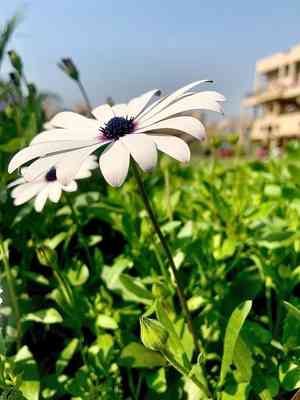
Originating from South Africa, this enduring plant displays blossoms resembling daisies, indicating shifts in atmospheric conditions. Trimming the weather prophet entails removing faded flowers to encourage ongoing blossoming and to sculpt the plant's form. The most effective time for pruning is after flowering in spring or summer, and prior to its dormant period in autumn. Key points include sanitizing cutting implements to avert the spread of pathogens and refraining from excessive trimming, which aids the weather prophet by fostering denser growth and more abundant flowering in following periods.
What Are the Benefits of Pruning Weather Prophet?
What Are the Benefits of Pruning Weather Prophet?
Trimming weather prophet promotes robust development and helps maintain its form. Regular removal of dead or weak stems boosts plant health and aesthetic appeal.
What Is the Best Time for Pruning Weather Prophet?
What Is the Best Time for Pruning Weather Prophet?
Late spring is optimal for pruning weather prophet to encourage strong growth and prepare it for flowering. Early summer pruning aids in shaping weather prophet and managing excessive growth, improving its look as the initial growth spurt slows. Late fall pruning is also suitable; it involves removing spent blooms and dead or damaged stems, which can deter diseases and ready weather prophet for winter dormancy. These periods ensure weather prophet's natural growth cycle remains undisturbed, preserving its health and vigor, considering its active and dormant phases.
What Tools Do I Need to Prune Weather Prophet?
Hand Pruners
Perfect for precise cuts on weather prophet's small stems and delicate flowers, minimizing plant harm.
Pruning Shears
Ideal for shaping weather prophet due to their sharp blades and comfortable grips, allowing accurate trimming of excess growth.
Gloves
Hand protection when handling weather prophet, as some parts may be rough or cause skin irritation.
Garden Scissors
Useful for deadheading weather prophet and removing faded blooms to encourage more flowering.
Long-Handled Loppers
Recommended if weather prophet is overgrown and needs cutting through thicker branches that hand pruners cannot manage.
How to Prune Weather Prophet
Clean Tools
Sanitize pruning tools with a bleach and water solution or rubbing alcohol to prevent disease spread to weather prophet.
Inspect Plant
Examine weather prophet for withered leaves, which are typically dry, brown, and possibly curled, indicating they are dead or dying.
Cut Withered Leaves
Using sharp, clean pruning shears, carefully remove withered leaves where they meet the stem or branch. Make clean cuts without tearing.
Dispose Waste
Collect and discard all withered leaves properly, away from healthy plants to prevent potential disease spread to weather prophet.
Water After Pruning
Water weather prophet sufficiently after pruning to aid its recovery from trimming stress and stimulate new growth.
Common Pruning Mistakes with Weather Prophet
Over-Pruning
Beginner gardeners might remove too much foliage at once, which can stress weather prophet, leading to reduced vitality and blooming.
Blunt Tools
Using dull pruning tools can create jagged cuts that are more susceptible to disease and heal poorly.
Improper Cuts
Incorrect cutting methods, such as tearing or leaving stubs, can cause damage and create entry points for disease on weather prophet.
Neglecting Deadheading
Failing to remove spent flowers can hinder weather prophet from producing new blooms and may lead to seed formation, diverting the plant's energy.
Pruning Healthy Growth
Inexperienced gardeners might prune new, healthy growth instead of just dead or damaged stems, impeding weather prophet's development.
Common Pruning Tips for Weather Prophet
Sanitized Tools
Always use clean, sharp tools for precise cuts and to prevent disease transmission.
Angled Cuts
Make cuts at a 45-degree angle just above a leaf node or bud to encourage weather prophet's regrowth and prevent water accumulation.
Dead Or Damaged
Focus on removing only the dead or damaged parts of weather prophet, which promotes healthy growth and improves air circulation.
Deadheading
Regularly deadhead by cutting spent flowers back to the first set of leaves to stimulate weather prophet to produce more blooms.
Thickness Consideration
When thinning out weather prophet, remove older, woodier stems to create space for new growth, being careful to maintain the plant's natural shape.



