How to Prune Elephant apple?
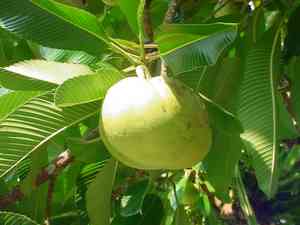
Distinguished by its substantial, tough foliage, elephant apple greatly profits from trimming. Essential methods involve reducing dense branches to improve air movement and eliminating deceased or ailing timber to foster robust development. The most effective pruning should take place during its winter resting period to lessen strain and guarantee strong spring growth. Consistent, targeted trimming preserves the plant's form, stimulates fruit yield, and averts potential harm from excessive mass in the crown. A properly pruned elephant apple not only flourishes more effectively but also possesses a heightened visual attractiveness.
What Are the Benefits of Pruning Elephant Apple?
What Are the Benefits of Pruning Elephant Apple?
Trimming elephant apple is essential for encouraging vigorous development and maintaining its form. Strategic cuts can promote stronger branches, thereby supporting improved fruit yield, and aid in shaping the plant for visual appeal or space management.
What Is the Best Time for Pruning Elephant Apple?
What Is the Best Time for Pruning Elephant Apple?
The ideal period for trimming elephant apple is during the winter season when the plant is inactive. This timing aligns with the plant's natural growth cycle, allowing it to recover and allocate energy to vital structures before the start of the active growth phase in spring. Winter pruning minimizes stress and reduces the likelihood of disease and pest infestation that can occur when the plant is actively growing. Additionally, since elephant apple has completed its flowering and fruiting cycle by this time, pruning won't affect the current year's yield. This season offers the advantage of clearer visibility of the plant's structure, as foliage is minimal, facilitating targeted cuts that promote healthy growth patterns.
What Tools Do I Need to Prune Elephant Apple?
Bypass Pruners
Perfect for making clean cuts on the smaller branches and twigs of elephant apple without crushing plant tissue, which is vital for maintaining plant health.
Loppers
These offer the leverage required for cutting through thicker branches that bypass pruners cannot manage, often found in the mature woody growth of elephant apple.
Pruning Saw
A suitable tool for removing larger branches that are too thick for loppers. This is crucial for shaping and thinning elephant apple if necessary.
Pole Pruner
For reaching elevated branches without using a ladder, ensuring safety while trimming taller specimens of elephant apple.
Gardening Gloves
Essential for protecting hands from thorns and rough bark while working on elephant apple.
Pruning Shears (Anvil)
Useful for dead wood and harder, drier branches that may be present in older elephant apple plants, as the anvil style is more effective for this type of cutting.
How to Prune Elephant Apple
Sanitize tools
Before you begin trimming elephant apple, ensure that all your pruning tools are thoroughly disinfected to prevent the spread of diseases.
Identify
Inspect elephant apple closely and identify dead or diseased branches that require removal. Look for branches that are broken, discolored, or show signs of infection.
Cut dead branches
Using sharp and clean pruning shears, cut the dead branches at the point just above where they emerge from the main stem or another branch. Make the cut at a 45-degree angle to facilitate water runoff and prevent disease.
Remove diseased branches
Carefully remove diseased branches from elephant apple, ensuring to cut well into healthy wood beyond the diseased area to prevent further infection.
Dispose
After pruning, dispose of the removed dead or diseased branches properly to prevent any disease from spreading in your garden.
Common Pruning Mistakes with Elephant Apple
Overpruning
Removing too much foliage at once can stress elephant apple, leading to weakened growth and reduced flowering potential. Aim to remove no more than one-third of the overall growth in a single season.
Ignoring Dead or Diseased Wood
Failing to remove dead or diseased branches can invite pests and diseases, negatively impacting the plant's health. Regularly check elephant apple for any unhealthy limbs that need removal.
Improper Cut Placement
Cuts made too far from a bud or node, or too close to it, can hinder proper healing and promote disease entry. Pruning cuts should be made at a 45-degree angle just above a bud or branch axis.
Topping
Topping, or cutting the top of the plant indiscriminately, can lead to poor structure and weak new growth. Preserve the natural shape of elephant apple by avoiding this practice.
Pruning During Active Growth
Although timing is not to be discussed, it is still a common mistake to prune while elephant apple is actively growing. This can divert energy from developing parts of the plant.
Common Pruning Tips for Elephant Apple
Clean and Sharp Tools
Using clean, sharp pruning shears or loppers ensures precise cuts that heal quickly, helping prevent disease transmission between plants.
Selective Thinning
Remove select branches to improve air circulation and light penetration, which encourages healthy growth and flower production in elephant apple.
Prune for Structure
Focus on creating a strong branch structure by pruning away competing, crossing, or inward-growing branches, which contributes to the overall health and aesthetic of elephant apple.
Encourage New Growth
Prune old flowering stems back to a healthy bud to stimulate new growth and potentially more flowers in the following season.
Protect the Main Stem
When pruning elephant apple, avoid damaging the main stem or leader as this is crucial for maintaining the plantâs integrity and vertical growth.



