How to Prune Grecian foxglove?
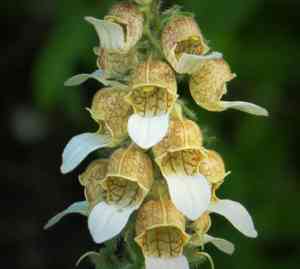
This enduring plant, recognized for its upright cluster of white, cylindrical blossoms, thrives with consistent removal of spent flowers to foster ongoing flowering and inhibit unwanted seed dispersal. Trim grecian foxglove during the spring season to eliminate harm from winter, preserve the plant's form, and stimulate robust development. During the summer, snip off faded flower stalks. Perform a light trim in autumn for neatness. Appropriate timing optimizes bloom production and guarantees the plant's vitality. Always utilize sanitized, sharp implements to avert illness.
What Are the Benefits of Pruning Grecian Foxglove?
What Are the Benefits of Pruning Grecian Foxglove?
Trimming grecian foxglove promotes abundant flowering, stimulates robust development, and maintains its desired form, ensuring both visual appeal and plant vitality.
What Is the Best Time for Pruning Grecian Foxglove?
What Is the Best Time for Pruning Grecian Foxglove?
Late spring is optimal for trimming grecian foxglove as it coincides with the post-bloom period, fostering healthy growth and the formation of next year's buds. Early summer pruning focuses on removing spent blooms and prevents the plant from allocating energy to seed production, which strengthens the plant for the subsequent season. Fall pruning involves cutting back the foliage once it has died, which helps maintain plant vigor and reduces disease risk during the dormant winter period.
What Tools Do I Need to Prune Grecian Foxglove?
Bypass Pruners
Perfect for making clean cuts on grecian foxglove's stems without causing unnecessary harm to the plant tissues. These pruners operate like scissors, offering precise control and smooth cuts, which is crucial for maintaining grecian foxglove's well-being.
Garden Scissors
Useful for deadheading or snipping off faded flowers of grecian foxglove. The sharp blades allow for quick and easy cutting, which is suitable for the delicate work required.
Gloves
While not a cutting tool, gloves protect the hands when trimming grecian foxglove, which may have potentially irritating foliage.
Pruning Snips
Ideal for thinning and shaping grecian foxglove without damaging surrounding foliage. Their smaller size allows for detailed work.
How to Prune Grecian Foxglove
Disinfect tools
Before trimming grecian foxglove, ensure all pruning tools are sanitized to prevent disease spread. Use a bleach or alcohol solution to wipe down shear or clipper blades.
Remove diseased leaves
Carefully inspect grecian foxglove for any diseased foliage. Gently remove them by cutting at the base of the leaf stem, using clean pruning shears. Be sure to avoid tearing to prevent damage to the healthy parts of the plant.
Trim withered leaves
Identify withered or yellowing leaves on grecian foxglove. Make clean cuts to remove these leaves close to the base or stem without harming new growth or nearby healthy foliage.
Deadhead flowers
Prune faded flowers from grecian foxglove to encourage new growth and prevent the plant from expending energy on seed production. Cut the flower stalks down to the base or to the next side shoot with healthy leaves.
Clean up
Dispose of all removed material from grecian foxglove responsibly to avoid potential disease spread. Clean the work area and tools thoroughly after completing pruning tasks.
Common Pruning Mistakes with Grecian Foxglove
Overzealous pruning
Removing too much foliage can weaken grecian foxglove by reducing its ability to photosynthesize, leading to stress and diminished vigor.
Imprecise cuts
Making jagged or torn cuts on grecian foxglove can invite disease and pests, as well as impede the healing process of the cuts.
Removing healthy tissue
Unnecessarily cutting away healthy leaves and stems of grecian foxglove can limit its growth potential and reduce flowering.
Ignoring diseased material
Failing to remove diseased or damaged material from grecian foxglove during pruning can spread pathogens and compromise the plant's health.
Pruning too late
While the best season is not to be mentioned, pruning at the wrong time can interfere with the development of flower spikes for the following season, as grecian foxglove blooms on old wood.
Common Pruning Tips for Grecian Foxglove
Clean tools
Ensuring tools are clean and sharp helps make precise cuts that heal quickly, preventing disease in grecian foxglove.
Judicious trimming
Carefully remove only the necessary parts of grecian foxglove, such as dead or diseased tissue, to maintain its health and shape without stunting its growth or bloom.
Angled cuts
Make angled cuts on grecian foxglove to allow water to run off and to encourage proper healing.
Monitor plant health
Regularly inspect grecian foxglove for signs of damage or disease so pruning can be done promptly to remove affected areas.
Prune after blooming
Prune grecian foxglove after it has finished flowering to shape the plant and to encourage new growth for the next cycle.



