How to Prune Bride's saddle?
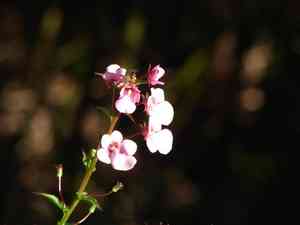
Distinguished by its abundant leaves and vibrant blooms, bride's saddle flourishes with regular trimming to stimulate development and floral output. Perform light pruning following each flowering period to preserve its form and encourage fresh blooms. The most suitable times for pruning are in Spring, Summer, and Autumn, coinciding with its periods of vigorous growth. Removing faded flowers boosts vigor and visual attractiveness. Consistent trimming averts excessive growth, improves air movement, and lowers the chance of disease, guaranteeing a robust, flower-rich presentation.
What Are the Benefits of Pruning Bride's Saddle?
What Are the Benefits of Pruning Bride's Saddle?
Trimming bride's saddle promotes more blossoms, guarantees vigorous plant development, and sustains a desired form. This helps bride's saddle maintain its best appearance and health, decreasing disease susceptibility.
What Is the Best Time for Pruning Bride's Saddle?
What Is the Best Time for Pruning Bride's Saddle?
Pruning bride's saddle in late spring coincides with the period after flowering, encouraging a second flush of blooms and preventing the plant from becoming sparse. Early summer trimming ensures removal of faded flowers, promoting continuous blooming, and maintaining an attractive shape. In late summer, cutting back bride's saddle revitalizes the plant and prepares it for the next growing season, while also reducing any excessive growth without risking frost damage to new shoots that fall pruning might cause. These periods ensure that bride's saddle retains vitality and optimal health, and align with bride's saddle's active growth phases.
What Tools Do I Need to Prune Bride's Saddle?
Bypass Pruners
Perfect for making clean cuts on the green stems of bride's saddle, bypass pruners are gentle on the plant's soft tissues, reducing the risk of damage and illness.
Handheld Snips
These are ideal for precise trimming and deadheading of bride's saddle's delicate flowers and smaller stems, helping to encourage reblooming.
Gardening Gloves
Crucial for protecting hands from thorns and potential skin irritants while pruning bride's saddle.
Pruning Saw
It may be necessary for cutting back woody stems if bride's saddle develops thicker branches that regular pruners cannot manage.
How to Prune Bride's Saddle
Clean tools
Before pruning bride's saddle, sanitize your pruning tools with rubbing alcohol or a bleach and water solution to prevent the spread of diseases.
Remove diseased leaves
Carefully inspect bride's saddle for diseased leaves and remove them using your pruners. Make cuts close to the stem but be careful not to cut into the stem itself.
Trim withered leaves
Identify and trim any withered leaves from bride's saddle to promote healthy growth. Use sharp pruners to make clean cuts without tearing the plant tissue.
Deadhead flowers
Deadhead spent flowers from bride's saddle by snipping off the withered blooms just above the first set of healthy leaves. This encourages the plant to produce more flowers.
Cleanup
Dispose of all the removed diseased leaves, withered leaves, and withered flowers properly to minimize the chance of disease spreading. Clean up the area around bride's saddle to maintain good hygiene.
Common Pruning Mistakes with Bride's Saddle
Overpruning
Removing too much growth from bride's saddle at once can stress the plant, stifling its growth and bloom production.
Blunt tools
Using dull or dirty cutting tools can damage the stems of bride's saddle, leading to an increased risk of disease.
Improper cut location
Cutting too far above or below a leaf node or bud can result in poor regrowth or leave unsightly stubs on bride's saddle.
Neglecting deadhead
Failing to regularly deadhead spent flowers of bride's saddle can prevent further blooming and result in a lackluster display.
Ignoring plant shape
An uneven pruning approach without considering the natural shape of bride's saddle can lead to a lopsided or aesthetically unpleasing plant.
Common Pruning Tips for Bride's Saddle
Sharp tools
Always use sharp, clean shears or scissors to ensure clean cuts that will heal quickly and minimize stress on bride's saddle.
Just above node
When pruning, make your cuts just above a leaf node or set of leaves to encourage new growth to sprout from this point on bride's saddle.
Consistent maintenance
Regularly inspect bride's saddle and remove dead or fading flowers to encourage additional blooming and maintain plant vigor.
Gentle pruning
Prune bride's saddle gently, removing only what is necessary to shape the plant or remove dead material, typically no more than one-third of the plant at a time.
Branch angle
Cut at an angle that mirrors the branch to avoid water accumulation on the cut surface, which could lead to rot or disease in bride's saddle.
Layered pruning
Apply a layered pruning approach to maintain a natural look for bride's saddle, ensuring that not all growth is cut back to the same length.



