How to Prune Dendrobium Noble?
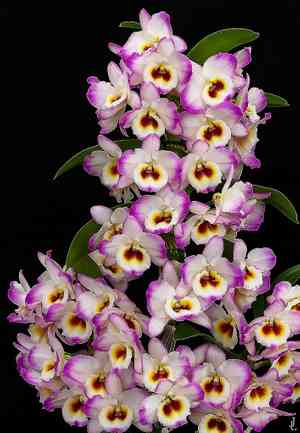
Valued for its vivid blossoms and extended pseudobulbs, dendrobium Noble flourishes with regular trimming to stimulate flowering and preserve its well-being. Essential methods involve snipping off faded flowers, shortening canes that have already bloomed, and eliminating any lifeless or ailing sections. Pruning is most effectively carried out post-flowering, regardless of the season, to boost subsequent blooms and improve air circulation. Specific precautions, like sanitizing instruments, deter illness and guarantee the enduring vitality of dendrobium Noble.
What Are the Benefits of Pruning Dendrobium Noble?
What Are the Benefits of Pruning Dendrobium Noble?
Trimming dendrobium Noble promotes abundant flowering and robust development, while shaping the plant to a desired form. It is crucial for maintaining plant vitality and visual appeal.
What Is the Best Time for Pruning Dendrobium Noble?
What Is the Best Time for Pruning Dendrobium Noble?
Pruning during late winter to early spring allows dendrobium Noble to recuperate and channel energy into new growth immediately after the trimming process. This timing avoids interrupting the orchid's blooming period, which typically occurs in winter. Post-flower pruning also provides dendrobium Noble ample time to establish new growth, vital for the subsequent year's bloom. Trimming in this period supports both the plant's health and the maximization of its flowering potential for the upcoming season.
What Tools Do I Need to Prune Dendrobium Noble?
Sharp, Clean Scissors or Snips
These are essential for making precise cuts on dendrobium Noble. Accurate cuts aid in quick recovery and lessen the chance of disease.
Rubbing Alcohol or Disinfectant
Dendrobium Noble can be vulnerable to disease transmission via unclean tools, so sanitizing pruning implements before use is vital for preserving plant health.
Small Pruning Shears
For thicker canes or to remove old, woody stems without harming the plant, small pruning shears offer the necessary leverage and control.
Gloves
Protect hands not only from sharp pruning tools but also from the plant's sap, which can cause skin irritation in some individuals.
Tweezers or Small Forceps
These are useful for removing dead or yellowing leaves from confined spaces without disturbing the rest of dendrobium Noble.
How to Prune Dendrobium Noble
Step1: Identify Plants for Pruning
Identify dendrobium Noble plants that require trimming by checking for yellow leaves, faded flowers, and dead canes. Pruning is best performed after the plant has finished blooming, usually in the spring.
Step2: Sanitize Pruning Tools
Sterilize your pruning tools with rubbing alcohol or a 10% bleach solution to prevent the spread of illness.
Step3: Remove Yellow Leaves
Begin with the yellow leaves. Locate the base of each yellow leaf where it emerges from the cane. Make a clean cut with sterilized scissors or shears, removing the leaf close to the cane without causing damage.
Step4: Prune Withered Flowers
Proceed to trim faded flowers. Trace the flower stalk down to where it meets the cane. Cut the stalk about an inch from the cane with sharp, clean shears, ensuring not to harm the surrounding leaves or nodes where new flowers might appear.
Step5: Cut Off Dead Canes
Remove dead canes, which appear dried out and brown. Cut these canes at the base near the potting medium, being careful not to damage any adjacent green canes. It's important to leave healthy canes untouched as they can bloom again.
Step6: Dispose of Pruned Material
Discard all the trimmed materialâyellow leaves, withered flowers, and dead canesâin your compost pile or trash.
Step7: Post-Pruning Care
After pruning, water dendrobium Noble thoroughly and provide it with a balanced fertilizer to support new growth. Ensure the plant receives adequate light and humidity for optimal health.
Step8: Ongoing Health Inspection
Regularly inspect dendrobium Noble for any signs of distress or disease, and remove any plant parts as necessary following the steps above to maintain it. Pruning should be a part of regular care for dendrobium Noble, promoting its longevity and vitality.
Post-Pruning Care for Dendrobium Noble
Post-Pruning Care for Dendrobium Noble
After trimming dendrobium Noble, immediately water the plant to lessen stress. Maintain bright, indirect light, a humidity level of 50-70%, and temperatures between 65-75°F to aid recovery. Begin fertilization with a balanced orchid fertilizer at half strength once new growth emerges. Regularly check for wilting or discolored leaves indicating trouble. If signs of infection, such as blackened cut areas, appear, treat promptly with fungicide. Consistent aftercare ensures vigorous regrowth.
Common Pruning Mistakes with Dendrobium Noble
Over-Pruning Reduces Blooming Potential
Trimming dendrobium Noble too severely can remove nodes that would otherwise produce flowers, leading to diminished blooming.
Improper Cutting Damages Plant Structure
Cutting dendrobium Noble's canes too close to the base may harm the plant's structure and hinder new growth.
Misidentifying Productive Canes for Removal
Removing healthy green canes believing them to be non-productive, not realizing that dendrobium Noble can bloom on old pseudobulbs.
Common Pruning Tips for Dendrobium Noble
Promote New Shoots by Pruning Above Node Post-Flowering
After flowering, cut the flower stalk of dendrobium Noble just above the node closest to the cane to encourage healthier new shoots.
Sterilized Tools Prevent Disease Spread in Pruning
Use sterilized cutting tools for trimming dendrobium Noble to prevent the spread of disease and maintain plant health.
Retain Nodes for Recovery and Growth Post-Pruning
When pruning dendrobium Noble, keep at least one or two nodes on the cane below the cut to ensure the plant has enough resources to recover and generate new growth.



