How to Prune Green sotol?
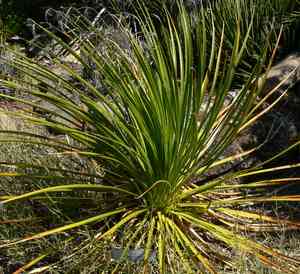
Dasylirion leiophyllum is distinguished by its robust, slender foliage arranged in a rosette. The ideal period for trimming Dasylirion leiophyllum is in early spring or late winter, prior to the emergence of new shoots. Essential methods involve detaching withered or compromised leaves from the plant's foundation, which both sustains its well-being and improves its aesthetic. Meticulous consideration of the plant's resilient framework is crucial to prevent harm. Trimming additionally boosts air movement, diminishing the likelihood of infestations and illnesses.
What Are the Benefits of Pruning Green Sotol?
What Are the Benefits of Pruning Green Sotol?
Green sotol thrives with pruning, promoting vigorous growth and maintaining its form, thereby enhancing its overall look and vitality. Pruning also aids in managing its size and preventing pest and disease issues.
What Is the Best Time for Pruning Green Sotol?
What Is the Best Time for Pruning Green Sotol?
Pruning green sotol in early spring or late winter is optimal as it coincides with the end of the plant's dormant phase. During these periods, the plant is not actively growing, which minimizes the risk of shock or stress. Pruning before new growth emerges ensures green sotol heals quickly and encourages robust development in the upcoming growing season. Avoiding pruning during active growth, especially in late spring or summer, helps prevent damage to new foliage and promotes overall health and vigor.
What Tools Do I Need to Prune Green Sotol?
Hand Pruners
Utilized for cutting small, easily reachable leaves or stems, ensuring precise cuts.
Loppers
Effective for thicker stems or branches up to 1.5 inches in diameter, offering good leverage and reach.
Pruning Saw
Ideal for removing larger, tougher branches that cannot be cut with hand pruners or loppers.
How to Prune Green Sotol
Inspect
Carefully examine green sotol for diseased leaves and withered leaves that require attention. Check for any indications of pests or infections.
Sanitize
Before pruning, ensure your pruning shears or scissors are properly disinfected to prevent disease transmission. Use a 70% isopropyl alcohol solution or similar sanitizer.
Remove Diseased
Begin by removing any diseased leaves first. Cut as close to the base of the affected leaf as possible without harming the healthy parts of the plant.
Remove Withered
Next, remove withered leaves. Trim them back to the base, being careful not to remove any healthy foliage. This helps maintain the plantâs overall appearance and health.
Dispose
Properly discard all removed leaves to prevent any potential spread of disease or pests. Do not compost diseased leaves; dispose of them in the trash or follow local guidelines for disposal.
Common Pruning Mistakes with Green Sotol
Improper pruning tools
Using dull or unsuitable tools can harm green sotol's leaves and stem. Always use sharp, clean tools for precise cuts.
Cutting too much
Excessive pruning can stress green sotol, reducing its ability to photosynthesize effectively and potentially leading to poor health or even death.
Incorrect placement of cuts
Cutting too close to the stem or too far from the intended pruning point can cause dieback and increase the risk of infection.
Pruning at the wrong age
Pruning young green sotol too aggressively can stunt growth. It's important to wait until the plant is well-established before significant pruning.
Common Pruning Tips for Green Sotol
Use sharp, clean tools
Ensure your pruning shears or knives are sharp and sterilized to prevent infection and ensure clean cuts.
Remove damaged leaves
Trim away any dead, damaged, or diseased leaves to prevent the spread of disease and to improve the plant's overall appearance.
Prune conservatively
Only remove a small portion of the plant at a time, focusing on cleaning up dead or excessive foliage rather than a major overhaul.
Focus on the lower leaves
Trim the lower leaves of green sotol to maintain a clean base and promote air circulation, but avoid cutting too close to the stem to prevent damage.



