How to Prune Hooker's cymbidium?
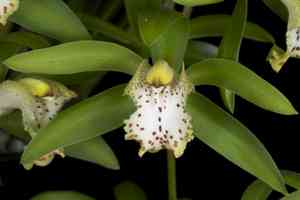
Celebrated for its impressive curved stalks and vivid blossoms, hooker's cymbidium flourishes with consistent trimming to foster robust development and blooming. Discard faded flowers and discolored foliage to sustain vitality. Trim pseudobulbs that have produced blooms twice, severing them at the base to stimulate fresh sprouts. While trimming can occur throughout the year, the most opportune period is following the flowering phase, guaranteeing minimal strain and peak energy for the subsequent bloom cycle. Pruning not only sculpts the plant but also deters ailments and infestations.
What Are the Benefits of Pruning Hooker's Cymbidium?
What Are the Benefits of Pruning Hooker's Cymbidium?
Trimming hooker's cymbidium promotes abundant flowering and vigorous development. It helps maintain its preferred form and dimensions, ensuring the plant's energy is directed towards robust growth.
What Is the Best Time for Pruning Hooker's Cymbidium?
What Is the Best Time for Pruning Hooker's Cymbidium?
Pruning hooker's cymbidium from late winter to early spring, just before new growth emerges, is advantageous. This timing minimizes plant stress and prevents the removal of new shoots, which could hinder photosynthesis. It also prepares hooker's cymbidium for the upcoming growing season, allowing energy redirection to healthy stems. Pruning during this period can also stimulate blooming, as hooker's cymbidium typically flowers on new growth. Late winter to early spring pruning helps maintain the plant's shape, removes dead or diseased tissue, and encourages strong growth in the warmer months.
What Tools Do I Need to Prune Hooker's Cymbidium?
Sterilized Pruning Shears
Sanitized pruning shears are essential for making clean cuts on hooker's cymbidium's leaves and removing dead or yellowed foliage. Sterilizing the shears prevents disease transmission.
Long-Bladed Orchid Scissors
Long-bladed orchid scissors enable precise cuts, especially when thinning dense foliage, without harming nearby flowers or stems.
Soft Grip Pruners
Soft grip pruners offer comfort and ease of use, which is important for delicate pruning of hooker's cymbidium to avoid pseudobulb injury.
Alcohol Wipes
Alcohol wipes are used to clean tools before and after pruning hooker's cymbidium, ensuring no pathogens are transferred during the process.
How to Prune Hooker's Cymbidium
Identify
Thoroughly inspect hooker's cymbidium to pinpoint diseased leaves, withered foliage, dead branches, and spent flowers that need removal.
Disinfect
Before trimming hooker's cymbidium, sanitize your pruning tools to prevent disease spread. Use a bleach and water solution or rubbing alcohol to clean the blades.
Cut Diseased And Dead Material
Use sharp, sanitized pruning shears to remove any diseased or dead leaves and branches. Make clean, angled cuts on branches and remove leaves by cutting them close to the base without harming the pseudobulbs.
Trim Withered Flower Spikes
Cut away faded flower spikes at their base to encourage new growth. Ensure cuts are smooth to prevent damage to the remaining healthy tissue.
Clean
After pruning hooker's cymbidium, clear all removed material from the area to reduce disease and pest risks. Properly dispose of diseased and dead plant matter.
Common Pruning Mistakes with Hooker's Cymbidium
Overpruning
Removing too many leaves or bulbs can stress hooker's cymbidium, potentially leading to weakened plants or reduced flowering.
Cutting Healthy Pseudobulbs
During pruning, some may mistakenly cut healthy, green pseudobulbs. These are vital for hooker's cymbidium's growth and subsequent bloom production.
Using Dirty Tools
Not using sterilized pruning tools can introduce pathogens to hooker's cymbidium, which may lead to infections or disease.
Improper Cut Placement
Making cuts too close to the pseudobulbs or too far from them can result in poor healing and potentially damage the plant.
Pruning During Active Growth
Trimming hooker's cymbidium while it's actively growing can disrupt its growth cycle and potentially reduce bloom.
Removing Too Many Old Bulbs
Old bulbs can still provide energy to hooker's cymbidium. Overzealous removal can unnecessarily weaken the plant.
Common Pruning Tips for Hooker's Cymbidium
Sterilize Tools
Always use clean, sterilized pruning tools to avoid transmitting disease to hooker's cymbidium.
Prune Spent Flower Spikes
Once hooker's cymbidium's flowers have faded, carefully cut the flower spike near the base without damaging the pseudobulbs to encourage future growth.
Cut Yellow Or Brown Foliage
Remove only the yellowing or brown leaves as they die back, which allows the plant to focus its energy on healthy growth.
Prune For Shape
Carefully prune hooker's cymbidium to maintain its desired shape and size, ensuring it does not become too large or unwieldy for its growing space.
Retain Healthy Pseudobulbs
When pruning hooker's cymbidium, make sure to retain healthy pseudobulbs, as they are critical for the plant's energy storage and future flowering.
Precision Cutting
Make clean cuts and avoid tearing the plant tissues to promote quick and proper healing for hooker's cymbidium.



