How to Prune Siam tulip?
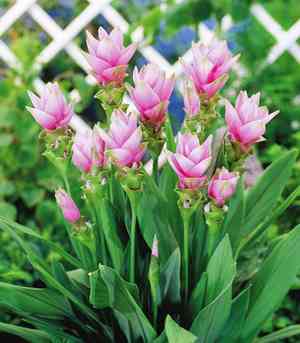
A perennial tropical plant, siam tulip displays vivid, brightly colored bracts. To foster vigorous development and flowering, consistently remove spent or wilting blossoms. After flowering, cut back the plant's clusters to the soil level to revitalize its foliage. While these actions are best carried out at the conclusion of the cultivation period, siam tulip can withstand upkeep throughout the year. The advantages of trimming encompass improved strength, more abundant blooms, and prevention of ailments. Utilizing sanitized, keen implements is vital for averting infections, which is essential for this plant's well-being.
What Are the Benefits of Pruning Siam Tulip?
What Are the Benefits of Pruning Siam Tulip?
Trimming siam tulip promotes abundant blooms, stimulates vigorous development, and maintains a compact, appealing shape. It is crucial for enhancing siam tulip's overall health and visual appeal.
What Is the Best Time for Pruning Siam Tulip?
What Is the Best Time for Pruning Siam Tulip?
Siam tulip typically enters a dormant phase following its flowering period, usually in late summer or early autumn. Pruning during late winter to early spring, just before the growth cycle begins, allows the plant to direct its energy towards developing new shoots and leaves. This timing helps encourage healthy growth and prepares siam tulip for the upcoming blooming season. Pruning during dormancy minimizes plant stress and reduces the risk of disease transmission, as many pathogens are less active then. It also enables gardeners to remove spent flowers or damaged foliage without impacting the plant's vitality, ensuring a strong start to the growing season.
What Tools Do I Need to Prune Siam Tulip?
Sharp Hand Pruners
Ideal for cutting through soft stems and faded flowers of siam tulip, ensuring precise cuts that encourage healthy regrowth.
Pruning Shears
Perfect for snipping off dead or discolored leaves without harming the plantâs base.
Gloves
Protect the gardenerâs hands from sap and provide a better grip on tools while working with siam tulip.
Disinfectant
Used to sanitize tools before and after trimming siam tulip to prevent the spread of illness.
Garden Scissors
Best for precise trimming of siam tulipâs leaves and flowers when a delicate touch is required for upkeep.
How to Prune Siam Tulip
Step1: Identifying Plant Parts for Pruning
Examine siam tulip to locate dead flowers, yellowed leaves, and withered stalks. These are the sections that will need trimming to maintain plant health and appearance.
Step2: Pruning Tool Preparation
Prepare your trimming tools. Use sharp, clean shears or scissors to ensure precise cuts and prevent disease transmission.
Step3: Dead Flower Removal
Start with dead flowers. Find the base of the spent flower stem where it emerges from the main stalk. Cut the stem cleanly at this point, being careful not to harm new buds or nearby flowers.
Step4: Yellow Leaf Trimming
Proceed to yellow leaves. These might indicate natural aging or a potential health issue. Gently tug on the leaf to see if it detaches easily, which it often will if fully yellow. If resistance is felt, cut the leaf off close to the base without damaging the main stalk or adjacent healthy leaves.
Step5: Withered Stalk Cutting
Address the withered stalks. Trace the stalk down to the plant's base. Make a clean cut at the lowest possible point without harming emerging shoots or the main rhizome of siam tulip.
Step6: Disposal of Pruning Waste
Discard the trimmed material in a compost bin if available, or dispose of it according to your local guidelines for garden waste. Pruning debris can harbor pests or diseases if left near the plant.
Step7: Post-Pruning Tool Cleaning
Clean your tools after trimming siam tulip to prevent the spread of disease to other plants. Wipe the blades with a solution of 1 part bleach to 9 parts water, or use isopropyl alcohol.
Step8: Monitoring Plant's Post-Pruning Recovery
Observe siam tulip after trimming for signs of new growth. Proper pruning should encourage healthy new stems and leaves. Ensure the plant receives adequate light, water, and fertilizer as needed for optimal development.
Post-Pruning Care for Siam Tulip
Post-Pruning Care for Siam Tulip
Immediately after trimming siam tulip, ensure it's placed in bright, indirect light to aid recovery. Maintain high humidity and a temperature range of 60-75°F. Water siam tulip sparingly to prevent root rot. Apply a balanced, water-soluble fertilizer every four weeks to encourage growth. Regularly inspect siam tulip for signs of stress, such as wilting or discolored leaves, and for infection indicators like rot or mold. If detected, reduce watering and improve air circulation around siam tulip.
Common Pruning Mistakes with Siam Tulip
Over-pruning: Reduces Photosynthesis and Energy Storage
Trimming siam tulip too aggressively, removing excessive foliage and thereby diminishing the plant's capacity to photosynthesize and store energy for the subsequent flowering season.
Improper Bulb Cutting: Causes Damage and Disease
Cutting into the healthy underground bulb tissue when removing spent leaves and stalks, which can harm the plant and introduce illness.
Excessive Spent Stalks: Leads to Decay and Fungal Infections
Leaving too much of the faded flower stalks, which can result in decay and potential fungal infections.
Common Pruning Tips for Siam Tulip
Clean, Sharp Shears: Prevent Disease and Minimize Plant Stress
Utilize a pair of clean, sharp pruning shears to make precise cuts on siam tulip, which helps prevent disease and reduce stress on the plant.
Base-level Flower Pruning: Encourages New Growth and Photosynthesis
Trim spent flowers of siam tulip at the base of the stalk to stimulate new growth without harming the foliage essential for photosynthesis.
Remove Dead Leaves Post-Bloom: Maintains Appearance and Focuses Energy
After the blooming season, carefully remove yellow or dead leaves at the base to maintain a neat appearance and direct the plant's energy into developing strong, new foliage.



