How to Prune Cockspur thorn?
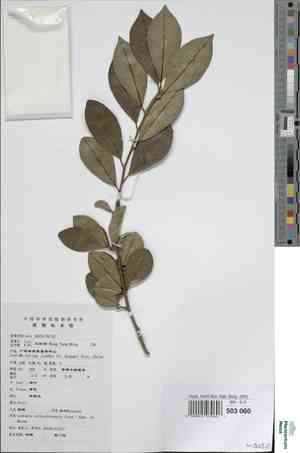
Distinguished by its spiny limbs, cockspur thorn flourishes with appropriate trimming. Optimal periods are late winter or early spring, right before the growing period begins. Remove deceased or excessively long branches to preserve the plant's well-being and structure. Foster robustness by reducing dense sections, improving light access and air circulation. Trimming also encourages fresh development, potentially boosting fruit yield if relevant. Always employ sanitized, keen implements for accurate incisions, averting pathogen infiltration and facilitating rapid recovery.
What Are the Benefits of Pruning Cockspur Thorn?
What Are the Benefits of Pruning Cockspur Thorn?
Trimming cockspur thorn promotes robust development and maintains its desired form. By eliminating dead or overgrown limbs, cockspur thorn can allocate more energy to cultivating new, healthy growth, enhancing its overall vigor and aesthetic appeal.
What Is the Best Time for Pruning Cockspur Thorn?
What Is the Best Time for Pruning Cockspur Thorn?
During late winter and early spring, cockspur thorn is typically dormant before its vigorous spring growth. Pruning during these periods allows gardeners to shape the plant and remove any dead, damaged, or diseased branches without causing significant stress to cockspur thorn. This timing also ensures rapid wound healing as warmer temperatures facilitate quicker recovery, reducing disease risk. Additionally, since cockspur thorn has not yet invested energy in foliage or flowers, pruning then ensures efficient use of its resources for healthy growth in the upcoming season. This enables cockspur thorn to channel its energy into producing strong new growth and maintaining its vitality and productivity, whether for ornamental purposes or fruit production.
What Tools Do I Need to Prune Cockspur Thorn?
Hand pruners
Perfect for trimming slender branches and shaping cockspur thorn, these tools offer precise cuts and can manage branch diameters up to approximately 1/2 to 3/4 inch. Ensure they feature a sharp, bypass blade design for clean cuts that encourage healthy regrowth.
Lopping shears
Cockspur thorn may possess thicker branches that would benefit from lopping shears. With extended handles and increased leverage, these are suitable for branches around 1 1/2 to 2 inches in diameter, allowing for cutting without excessive strain.
Pruning saw
For the largest branches that hand pruners and loppers cannot manage, a pruning saw is essential. This tool will facilitate cutting through branches exceeding 2 inches in diameter.
Pole pruner
If cockspur thorn has branches out of reach, a pole pruner with a saw attachment can be utilized for trimming without needing a ladder, ensuring a safer pruning process.
Hedge shears
Only if cockspur thorn is being trained as a hedge or for a specific shape, hedge shears may be employed for shaping and maintaining uniform lines. They are not advised for general pruning as they can crush stems and branches rather than cutting cleanly.
Gloves and safety glasses
Protection is crucial when pruning cockspur thorn to prevent injuries from thorns and falling debris.
How to Prune Cockspur Thorn
Sterilize
Before pruning cockspur thorn, sanitize all pruning tools using a solution of 1 part bleach to 9 parts water to prevent the spread of diseases.
Identify
Carefully examine the cockspur thorn for diseased or withered leaves. Look for any signs of discoloration, spots, or decay indicating poor health.
Remove diseased leaves
Using sharp pruning shears, carefully remove diseased leaves from cockspur thorn by cutting them at the base where they meet the stem. Avoid tearing the leaves to minimize plant damage.
Remove withered leaves
Trim away withered or dry leaves from cockspur thorn, which are typically brown or crumbled. Make clean cuts to avoid leaving stubs that could become entry points for pests and diseases.
Disposal
Properly dispose of all removed diseased and withered leaves, away from the cockspur thorn, to prevent any potential disease spread and deter pests.
Common Pruning Mistakes with Cockspur Thorn
Overpruning
Cutting back too much can stress cockspur thorn and hinder its recovery, leading to sparse foliage and fewer flowers.
Using dull tools
Dull pruning tools may result in jagged cuts that can expose cockspur thorn to pests and diseases.
Improper cut location
Making cuts too close to the trunk or too far from the bud can cause damage, making cockspur thorn vulnerable to infection or resulting in unwanted growth patterns.
Tearing bark
When cutting larger branches, failing to use proper techniques can result in bark tearing, which can harm the health and appearance of cockspur thorn.
Neglecting sanitation
Using unclean tools can introduce pathogens to cockspur thorn, spreading disease throughout the plant.
Ignoring branch structure
Not considering branch structure can lead to overly dense growth or weak branch unions that can break off and damage cockspur thorn.
Leaving stubs
Leaving behind branch stubs can prevent proper healing and allow entry points for pests and diseases.
Common Pruning Tips for Cockspur Thorn
Sharp clean equipment
Use sharp, sterilized pruning tools to make clean cuts that heal quickly and minimize stress to cockspur thorn.
Correct cut location
Make angled cuts just above a bud or junction to promote healthy regrowth and prevent dieback or decay.
Structural pruning
Focus on removing dead, diseased, or crossed branches to maintain good air circulation and structure within cockspur thorn.
Pruning angle
Cut branches at an angle to prevent water accumulation, which can lead to rot and disease.
Branch collar cuts
Cut outside the branch collar without damaging it to encourage proper healing and prevent decay.
Safety first
When removing larger branches, use the three-cut method to prevent bark tearing and ensure the safety of both the gardener and cockspur thorn.
Aftercare
After pruning, monitor the plant's health, check for signs of pests or diseases, and apply a suitable wound protectant if necessary for optimal recovery of cockspur thorn.



