How to Prune Winter squash?
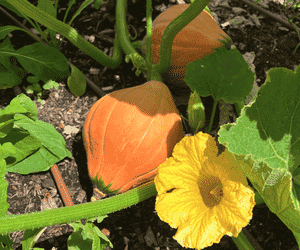
As a member of the gourd family, winter squash yields substantial fruits encased in tough rinds. To enhance air movement and light exposure, trim away dead or ailing branches and thin out crowded sections. Shorten side shoots to channel vitality into fruit development. The most suitable times for pruning extend from early spring through late autumn, steering clear of winter to avert harm. Judicious pruning aids winter squash by lowering disease susceptibility and boosting fruit dimensions and excellence.
Advantages of Trimming Winter Squash
Advantages of Trimming Winter Squash
Trimming winter squash encourages robust development by directing the plant's energy towards producing strong fruits. It also aids in maintaining shape for optimal sun exposure and air movement.
Optimal Timing for Pruning Winter Squash
Optimal Timing for Pruning Winter Squash
Pruning winter squash should occur from early spring to late autumn to align with its growth and reproductive cycle. Early spring pruning, just before growth starts, allows for removal of dead or damaged stems without affecting new growth essential for flowering and fruiting. By late autumn, after winter squash has finished fruiting and vines begin to decline, pruning can prepare the plant for the next season. During active growth, pruning should be minimal, focusing on plant health and structure. Excessive pruning during flowering and fruiting can reduce yield and should be avoided. This timing ensures the plant has sufficient energy to recover and supports a healthy, productive fruiting season.
Necessary Tools for Pruning Winter Squash
Bypass Pruners
Perfect for making clean cuts on young winter squash vines, these pruners minimize damage to plant tissues, promoting healthy regrowth.
Garden Scissors
Useful for snipping small, delicate parts of winter squash, especially for thinning flowers or fruit to enhance air circulation and lessen disease pressure.
Long-Handled Loppers
These tools are better for reaching into dense winter squash growth without excessive disturbance, and are suitable for cutting thicker stems that bypass pruners cannot handle.
Pruning Saw
A pruning saw might be needed for removing old, woody winter squash stems, particularly for overgrown vines or hard-to-reach areas.
Gloves
Protective gloves are crucial for handling winter squash, as the plant can have prickly stems, and sharp tools are used during pruning.
Disinfectant
Applying a disinfectant to tools before and after pruning winter squash helps prevent the spread of diseases among plants.
How to Prune Winter Squash
Step1: Inspect and Mark for Pruning
Regularly examine winter squash for specific parts needing pruning: damaged stems, weak vines, and dead shoots. Identify and mark these areas with garden ties or string for a clear overview before cutting.
Step2: Sterilize Pruning Tools
Sterilize your pruning shears or scissors with rubbing alcohol or a 10% bleach solution to prevent disease transmission between plants.
Step3: Prune Damaged Stems
Prune damaged stems: locate the damaged stem and trace it back to the main vine. Cut the stem 1/4 inch above a leaf node or bud using a 45-degree angled cut to encourage water runoff and prevent disease.
Step4: Trim Weak Vines
Address weak vines by determining if they are unproductive or if they are hindering the overall shape and support of winter squash. Prune these back to a main stem, making cuts just above a leaf node.
Step5: Remove Dead Shoots
Remove dead shoots, which lack green, healthy growth, by cutting them back to 1/4 inch above the nearest healthy shoot or main vine, ensuring clean cuts for quick healing.
Step6: Thin for Air and Light
Thin out the plant to improve air circulation and light penetration. Limit winter squash to the strongest 2-3 main vines, removing additional growth to concentrate the plant's energy.
Step7: Pinch Secondary Vines
Pinch off any secondary vines that emerge from the main fruiting vines to redirect energy to fruit production. The ideal time to do this is when they are 2-3 inches long.
Step8: Dispose of Pruned Material
After pruning, properly dispose of or compost all removed plant materials to reduce the risk of pest and disease issues.
Step9: Post-Pruning Watering
Water winter squash at the base after pruning to reduce stress and to cleanse any wounds that may have occurred during the trimming process, aiding in recovery.
Step10: Monitor Growth and Maintain
Monitor winter squash for signs of new growth or recurring problems. Repeat the pruning process as needed throughout the growing season, paying extra attention to removing any new damaged or weak areas.
After-Pruning Care for Winter Squash
After-Pruning Care for Winter Squash
Immediately after pruning winter squash, ensure clean cuts to prevent disease. Adjust environmental conditions, maintaining moderate temperatures and shielding from intense sunlight. Provide high humidity to facilitate recovery. Fertilize with a balanced, slow-release fertilizer, boosting nutrient availability. Monitor winter squash for wilted leaves or rot as stress indicators. If signs persist, consult a plant pathologist for possible infections. Timely interventions prevent long-term damage, promoting healthy regrowth.
Common Pruning Errors with Winter Squash
Excessive Pruning Reduces Energy Production
Overpruning can lead to stress and reduced yield in winter squash. Removing too many leaves or vines can impair the plant's ability to photosynthesize and produce energy.
Premature Pruning Weakens Vine System
Pruning too early might prevent winter squash from establishing a strong and healthy vine system. Ample foliage is necessary early on for energy production and support for fruit development.
Incorrect Cutting Techniques Invite Disease
Cutting the vines haphazardly or with dull tools can damage winter squash. Jagged cuts may invite pests and diseases, while improper techniques can lead to vine or fruit damage.
Removing Healthy Growth Reduces Vigor
Ignoring the plant's health while pruning can inadvertently remove healthy foliage along with diseased or dead leaves, which can reduce plant vigor in winter squash.
Neglecting Tool Disinfection Spreads Pathogens
Failing to disinfect pruning tools before and after use can spread pathogens between plants, which can be especially problematic in dense plantings of winter squash.
General Pruning Advice for Winter Squash
Clean Cuts with Sharp Shears Aid Recovery
Use clean, sharp shears to make precise and clean cuts on winter squash. This helps prevent damage and disease, supporting fast recovery of the plant.
Remove Dead Foliage to Improve Airflow
Focus pruning efforts on removing dead or diseased leaves and any vines that are tangled or growing away from the support structure if using one. This improves air circulation and directs winter squash's energy into healthy growth.
Thin Plants to Reduce Disease Risk
Thin out the plants to reduce crowding. Allow for one or two main vines to promote air circulation and reduce the risk of diseases in winter squash, while still ensuring that the plant retains enough leaves for photosynthesis.
Pinch Vines for Energy Focus on Fruit
Pinch off the tips of the vines after a few fruits have formed to encourage the winter squash to put energy into fruit growth rather than additional vine production.
Remove Late Blossoms to Enhance Fruit Ripening
After fruit set, remove any blossoms that start to develop late in the season, as they will not have time to mature into fruit. This lets winter squash focus energy on ripening existing fruits.



