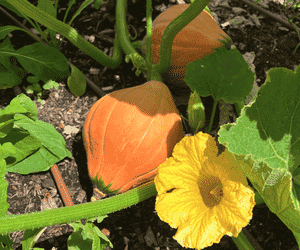
Winter squash (Cucurbita maxima)
Also known as: Buttercup Squash, Pumpkin, Turban Gourd, Turban squash, Great Pumpkin
Squash plants are trailing vines that yield fruits in an array of shapes, colors, and sizes. These fruits have a mild taste and are used in many culinary traditions globally. The plant's flowers, both male and female, produce nectar and emit a scent that draws various bee species, such as the squash bee.
In This Article
Attributes of Winter squash
Lifespan
Annual
Plant Type
Vine, Herb
Plant Height
60 cm
Spread
5 m
Leaf Color
Green
Flower Size
8 cm to 15 cm
Flower Color
Yellow Gold
Images of Winter squash
Quickly Identify Winter squash
1
Large, lobed leaves with rough texture.
2
Impressively sized fruits, reaching several feet in diameter.
3
Large, pale to deep yellow flowers with trumpet-like appearance.
4
Fleshy berries ranging from green to orange, with varying shapes.
5
Robust, dark green stem with pronounced longitudinal ribs.
Scientific Classification of Winter squash
Phylum
Vascular plants
Class
Dicotyledons
Order
Cucurbitales
Family
Gourd
Genus
Squashes
Species
Winter squash
Planting and Growing of Winter squash
Care Difficulty
Moderate
Watering Schedule
Every 8 days
Sunlight Requirements
Full sun
Sunshine Duration
6-12 hours
Ideal Temperature
65-75℉
Soil Type
Potting Mix, Peat Mix
Soil pH
6.5-7.5
Fertilizer Type
Balanced
Pruning Season
Spring, Summer
Pruning Area
Branches, Leaves
Pruning Frequency
2 times a year
Repotting Season
Spring
Pot Type
Plastic, Ceramic
 How to Water Winter squash?
Cucurbita maxima enjoys consistently moist soil. Water deeply, ensuring water reaches the roots, generally around 500 ml each time. The objective is to maintain soil moisture without causing the roots to drown in water.
More About Watering Techniques→
What are the symptoms of an underwatered Winter squash?
›
What should I do if my Winter squash is not getting enough water?
›
What are the symptoms of an overwatered Winter squash?
›
How to save an overwatered Winter squash?
›
 What Are the Sunlight Requirements for Winter squash?
Cucurbita maxima prefers full sun conditions, benefiting from at least 6 to 8 hours of direct exposure. Ideal lighting ensures the plant receives adequate energy for photosynthesis, fostering substantial growth and a bountiful harvest.
More About Sunlight Requirements Techniques→
How much light does Cucurbita maxima need?
›
What solutions are there for optimizing sunlight exposure?
›
What are the benefits of ideal lighting conditions?
›
 What Is the Ideal Temperature Range for Winter squash?
The ideal temperature range for growing Cucurbita maxima is between 65°F and 75°F. This range ensures optimal photosynthesis and growth, promoting healthy plant development and fruit production. Within this range, the plant can efficiently utilize sunlight and nutrients, leading to vigorous growth and resistance to common pests and diseases.
 What Soil is Best for Winter squash?
Cucurbita maxima thrives in well-drained soils, as excess water can lead to root rot. Ensuring proper drainage helps maintain healthy roots and prevents waterlogging, promoting vigorous growth and fruit production. This plant benefits from a nutrient-rich environment, with ample organic matter to support its heavy feeding habit. Adequate nutrients enhance flowering and fruiting, resulting in larger, more abundant pumpkins. Maintaining consistent soil moisture is crucial for Cucurbita maxima. Regular watering helps prevent stress, reduces the risk of blossom end rot, and ensures even fruit development throughout the growing season.
More About Soil→
 How to Fertilize Winter squash?
Cucurbita maxima benefits from a balanced approach when it comes to fertilizing. Use a nitrogen-rich liquid fertilizer, applied at a rate of 1 tablespoon per gallon of water. Ensure you cover both the root area and the surrounding soil to maximize nutrient uptake.
More About Fertilizing Techniques→
 How to Prune Winter squash?
When pruning Cucurbita maxima, focus on removing any dead or diseased leaves and stems. Cut back any sprawling vines that aren't contributing to the plant's vibrant growth, especially those without fruit. Use sharp, clean shears to make cuts at an angle, just above a healthy leaf node. This encourages new shoots to develop, enhancing the plant's vigor and fruit-bearing capacity.
More About Pruning Techniques→
 How to Propagate Winter squash plant?
1
Start by selecting healthy seeds from a reputable source. Soak them in water overnight to improve germination rates. Afterward, place them in a seed tray filled with high-quality potting soil. Ensure the seeds are covered lightly with soil and kept moist.
2
Sow seeds indoors approximately 2-4 weeks before the last expected frost. Use seed trays to control the early growth environment. Provide adequate warmth and light by placing them in a greenhouse or under grow lights to ensure vigorous germination.
3
When grafting, select compatible rootstock and scion. Cut both with precision using a grafting knife. Align vascular tissues to enhance the chance of successful union. Secure the graft with a grafting tape or clip and monitor the plant carefully for signs of failure or success.
 How to Repot Winter squash plant?
1
Repot Cucurbita maxima when you notice the roots start crowding the pot, peeking through drainage holes, or if the plant's growth becomes stunted. Spring or early Summer are the best times to do this as the plant is in its active growth phase, making it more resilient to the stress of repotting.
2
Opt for a pot that is 2-3 inches larger in diameter than the current one. Adequate drainage holes are crucial to prevent root rot by allowing excess water to escape. The pot should be made of materials that can retain some moisture but also let the roots breathe, like clay or plastic, to support healthy growth.
3
Select a nutrient-rich, well-draining soil mix with good organic content. This kind of soil ensures that Cucurbita maxima receives essential nutrients while preventing waterlogging. A soil mix with added perlite or sand can improve drainage and root aeration, which is pivotal for vigorous growth.



