How to Prune Cucumber?
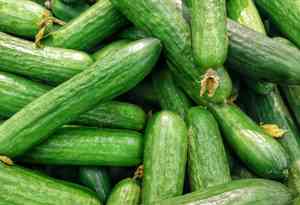
A favored climbing plant in domestic gardens, the cucumber is recognized for its expansive development and abundant fruit production. Essential trimming entails eliminating offshoots and side branches to direct energy towards the primary fruit-producing stems. Perform pruning in early spring prior to vine development, or throughout the cultivation period to enhance air movement and light exposure. Consistent trimming outside the active growth period (early spring to late autumn) can avert excessive growth and boost harvest. Notable advantages encompass more robust plants and bigger, more flavorful produce.
What Are the Benefits of Pruning Cucumber?
What Are the Benefits of Pruning Cucumber?
Trimming cucumber promotes robust development and maintains its form. Strategic cutting encourages new, healthy growth and maximizes harvest, while also keeping the plant compact and manageable.
What Is the Best Time for Pruning Cucumber?
What Is the Best Time for Pruning Cucumber?
In early spring, as cucumber begins its yearly growth cycle, it's an opportune moment to prune for shaping and removing any dead or diseased parts without impacting yield. This timing allows cucumber to focus its energy on producing healthy new growth and fruit. Late fall, after the fruiting season concludes, is also ideal for pruning cucumber. At this stage, the plant has finished its life cycle, and removing old growth can help prevent disease and pest issues while preparing cucumber for the next season. Pruning during these periods ensures the health and productivity of cucumber, aligning with its natural growth and dormant phases.
What Tools Do I Need to Prune Cucumber?
Bypass Pruners
Cucumber has delicate stems that require a clean cut to prevent harm. Bypass pruners are perfect as they make precise cuts without crushing plant tissues, promoting healthier growth.
Garden Scissors
For the slender vines and occasionally small fruits of cucumber, garden scissors provide the necessary precision and control. Their sharp blades can easily snip off unwanted tendrils and leaves, or thin out crowded areas.
Pruning Shears
Pruning shears are useful for selectively thinning cucumber's growth. They offer a firm grip and a sharp cut, ideal for maintaining plant shape and health.
Gloves
When handling cucumber, wearing gloves is advised to protect against potential skin irritation from the plant's sap and to ensure a secure grip on pruning tools.
How to Prune Cucumber
Step1: Sanitize Pruning Tools
Disinfect your pruning tools before you begin to prevent introducing pathogens to cucumber. Sterilize them with rubbing alcohol or a solution of one part bleach to nine parts water.
Step2: Protect Hands and Identify Old Shoots
Wear garden gloves to protect your hands. Identify the old shoots on cucumber. These are typically thicker and have already produced fruit.
Step3: Prune Old Shoots at Base
Prune the old shoots at their base where they connect to the main stem. Use clean, sharp secateurs or scissors to make a precise cut. This helps to redirect cucumber's energy to new growth and potential fruiting areas.
Step4: Identify Diseased Plant Parts
Locate diseased parts of cucumber, which may appear as unusual spots, discolored stems, or deformed leaves. Confirm disease presence with clear discoloration or texture change.
Step5: Remove Diseased Tissues
Carefully cut away the diseased parts of cucumber well below the affected area to ensure all diseased tissues are removed. Dispose of these parts off-site to prevent spreading disease.
Step6: Inspect for Yellow Leaves
Examine cucumber for yellow leaves, which are often older leaves that are no longer productive. Yellow leaves could also indicate a water, nutrient, or disease issue that should be addressed separately from pruning.
Step7: Remove Yellow Leaves with Care
Gently remove the yellow leaves by cutting them off where the leaf stem meets the main plant stem or vine. Avoid pulling on the leaves as this can create wounds on the plant that serve as entry points for disease.
Step8: Clean Tools Post-Pruning
After pruning, clean your tools again to avoid spreading any potential pathogens to other plants or future cuts on cucumber.
Step9: Proper Disposal of Plant Debris
Dispose of all removed plant material responsibly to avoid the possibility of it becoming a source of infection in the garden.
Step10: Water and Cleanup Post-Pruning
Water cucumber adequately after pruning, as cucumber can be stressed by the pruning process. Use this opportunity to clean up the surrounding area to ensure good air circulation and reduce the chances of pests and diseases.
Step11: Monitor Plant for Post-Pruning Stress
Monitor cucumber after pruning for signs of stress or disease, and follow up with appropriate care such as fertilization or disease control measures if necessary.
Post-Pruning Care for Cucumber
Post-Pruning Care for Cucumber
After pruning cucumber, immediately water the plant to reduce stress and aid in recovery. Maintain a stable environment with plenty of indirect sunlight, a temperature range of 65-75°F, and high humidity. Post-pruning, apply a balanced, water-soluble fertilizer to replenish nutrients. Monitor cucumber for wilt, discoloration, or signs of disease, ensuring prompt intervention if needed. Consistent care and observation post-pruning will promote healthy regrowth and vitality.
Common Pruning Mistakes with Cucumber
Over-Pruning Reduces Yield Potential
Excessive pruning can lead to reduced yields, as cucumber utilizes many of its leaves and stems to support fruit development.
Damage to Buds from Incorrect Cuts
Cutting too close to the fruit or flower buds, potentially harming them and affecting future growth.
Disease Spread by Unsterilized Tools
Pruning without sterilizing tools, which increases the risk of spreading disease to cucumber.
Ignoring Lateral Shoots Affects Quality
Neglecting lateral shoots, resulting in a bushier plant that might not get enough air circulation or light, reducing fruit quality and increasing susceptibility to pests and diseases.
Neglecting Removal of Dead Foliage Risks Health
Failing to remove dead or damaged foliage, which can attract pests and diseases to cucumber.
Common Pruning Tips for Cucumber
Disinfect Tools to Prevent Disease Spread
Disinfect pruning tools before and after use to prevent the spread of diseases to cucumber.
Encourage Lateral Growth by Pinching Vines
Prune cucumber by pinching off the tips of the main vine when it reaches the desired length to encourage lateral growth and more fruit.
Remove Dead Leaves for Better Air and Light
Remove any dead or yellowing leaves to improve air circulation and light penetration, which can help reduce the risk of disease and pest problems for cucumber.
Thin Dense Foliage to Balance Growth and Fruit
Thin out dense foliage and remove some of the lateral shoots to balance vegetative growth with fruit production, ensuring enough resources for the remaining flowers and fruits to thrive.
Make Clean Cuts at 45-Degree Angle
Always make clean cuts at a 45-degree angle to avoid damaging the stems of cucumber, which can provide entry points for pests and diseases.
Remove Overripe or Damaged Fruits Regularly
Regularly check for and remove any fruits that are overripe, damaged, or diseased to prevent them from becoming a source of infection or attracting pests to cucumber.



