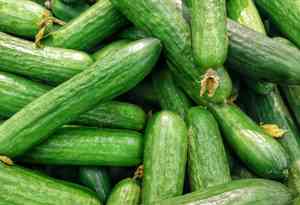
Cucumber (Cucumis sativus)
Also known as: Immature Cucumber, Common cucumber
The onion (Allium cepa) is a bulbous vegetable with origins in South Asia. It has a rich history and is referenced in ancient texts like the Bible and the Epic of Gilgamesh. Today, the onion is among the most extensively cultivated and utilized vegetables globally.
In This Article
Attributes of Cucumber
Lifespan
Annual
Plant Type
Vine, Herb
Plant Height
20 cm to 90 cm
Spread
90 cm to 2.5 m
Leaf Color
Green
Flower Size
2.5 cm
Flower Color
Yellow
Images of Cucumber
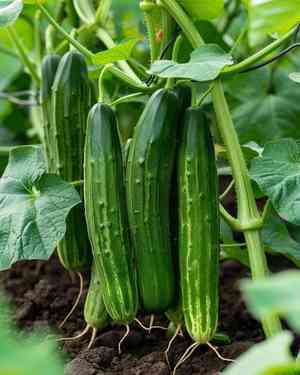
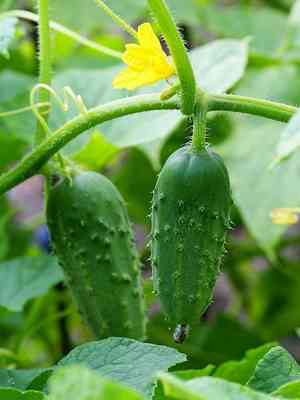
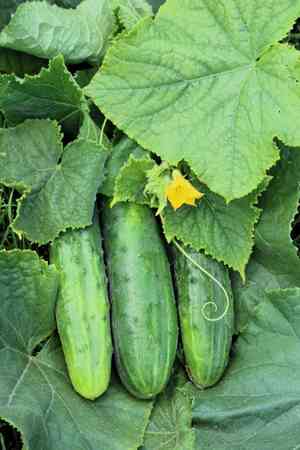
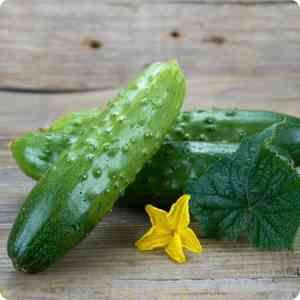
Quickly Identify Cucumber
1
Large, hairy, triangular leaves with 3-5 lobes and serrated margins.
2
Yellow, 5-petaled flowers with bell-shaped, 5-lobed corolla that are wrinkled and hairy.
3
Long, cylindrical fruit with hard exterior rind, bumpy surface, and pale green flesh.
4
Vining stem with tendrils for climbing, covered in stiff, bristly hairs.
5
Male and female flowers grow separately, with male flowers in clusters and female flowers solitary.
Scientific Classification of Cucumber
Phylum
Vascular plants
Class
Dicotyledons
Order
Cucurbitales
Family
Gourd
Genus
Melon
Species
Cucumber
Planting and Growing of Cucumber
Care Difficulty
Easy
Watering Schedule
Every 8 days
Sunlight Requirements
Full sun
Sunshine Duration
4-8 hours
Ideal Temperature
70-85℉
Soil Type
Potting Mix, Peat Mix
Soil pH
6-7.8
Fertilizer Type
Balanced
Pruning Season
Spring, Summer
Pruning Area
Branches, Leaves
Pruning Frequency
2 times a year
Repotting Season
Spring
Pot Type
Plastic, Ceramic
 How to Water Cucumber?
Cucumis sativus, commonly known as cucumber, requires consistent and adequate watering. The soil should be kept evenly moist but not waterlogged. Water should be applied until it reaches the root level, typically around 500 milliliters per watering session, ensuring complete saturation without causing puddles.
More About Watering Techniques→
What are the symptoms of an underwatered Cucumber?
›
What should I do if my Cucumber is not getting enough water?
›
What are the symptoms of an overwatered Cucumber?
›
How to save an overwatered Cucumber?
›
 What Are the Sunlight Requirements for Cucumber?
Cucumis sativus thrives in full sunlight, with an ideal range of 6-8 hours a day. Proper sunlight exposure ensures robust growth, plentiful flowering, and rich fruit production, supporting overall plant health and productivity.
More About Sunlight Requirements Techniques→
Optimal Sun Exposure
›
Protection From Excessive Heat
›
Rotating Plant Position
›
 What Is the Ideal Temperature Range for Cucumber?
Cucumis sativus, commonly known as cucumber, thrives in warm conditions with temperatures between 70°F to 85°F. This range supports its high growth rate and fruit development, ensuring healthy and productive plants. Moderate warmth promotes enzymatic activities necessary for vital biological processes.
 What Soil is Best for Cucumber?
Cucumis sativus thrives in soils with excellent drainage capabilities, preventing root rot and ensuring a healthy plant growth. Efficient drainage allows excess water to move away, avoiding waterlogged conditions that can be detrimental to the plant's roots. A nutrient-rich soil is essential for Cucumis sativus, as it supports vigorous growth and enhances fruit yield. Incorporating organic matter or compost regularly replenishes vital nutrients, promoting healthier and more productive plants. While good drainage is critical, retaining adequate moisture ensures Cucumis sativus receives constant hydration. This balance is crucial, as it provides sufficient water to the roots during dry spells, avoiding stress and supporting steady growth.
More About Soil→
 How to Fertilize Cucumber?
For Cucumis sativus, the fertilization amount should be moderate to support its growth without causing harm. Typically, apply around 50 grams of balanced NPK (Nitrogen-Phosphorus-Potassium) fertilizer per plant, ensuring even distribution. Over-fertilizing can lead to soil salinity, so balance is key.
More About Fertilizing Techniques→
 How to Prune Cucumber?
Examine the plant for vines that are not producing cucumbers. Trim these back to the main stem to redirect energy towards productive areas, aiming for a balanced structure. Remove any old or yellowing leaves near the base of the plant to improve airflow and reduce the risk of fungal diseases. This also directs nutrients to healthier parts of the plant. Regularly monitor the plant, and shape it by training the vines onto supports or trellises. This practice maximizes sunlight exposure and conserves space.
More About Pruning Techniques→
 How to Propagate Cucumber plant?
1
Choose high-quality cucumber seeds from a reputable supplier. Opt for varieties that suit your growing conditions and intended use to ensure a successful harvest.
2
Sow the cucumber seeds about 1 inch deep in seed starter trays filled with a fine-textured potting mix. Ensure the soil is kept consistently moist but not waterlogged.
3
Once the seedlings have 2-3 true leaves and the risk of frost has passed, transplant them to a well-prepared garden bed or larger containers, ensuring adequate spacing.
 How to Repot Cucumber plant?
1
Cucumis sativus, or cucumber plants, signal a need for repotting when they outgrow their current pot, showing roots creeping out from the drainage holes, or the soil drying out quickly after watering. These signals typically occur as the plant enters its active growing phase, making spring and early summer the ideal seasons to repot.
2
For Cucumis sativus, opt for a pot that is one size larger than the current one, with ample drainage holes at the bottom. A pot that is slightly larger provides room for growth, preventing the roots from becoming bound and promoting vigorous vines. Ensure the pot's material, like clay or plastic, suits your environments, like humidity levels and sunlight.
3
Select a well-draining, loamy mix for repotting Cucumis sativus. A mix containing peat, perlite, or vermiculite enhances drainage and aeration, crucial because cucumbers do not thrive in soggy soil. The right soil retains some moisture without waterlogging, supporting healthful plant growth.



