How to Prune West indian gherkin?
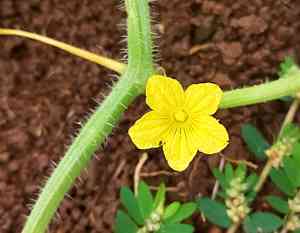
West Indian Gherkin, a climbing plant recognized for its compact, prickly produce, flourishes with consistent trimming. The perfect periods for pruning extend from spring to autumn, concentrating on excising lifeless or ailing stalks and reducing crowded sections to enhance airflow and light penetration. Frequent harvesting additionally stimulates fresh development and fruit yield. Exercise caution by wearing gloves because of the thorns. Pruning not only sustains the plant's well-being and form but also boosts the fruit's dimensions and excellence.
What Are the Benefits of Pruning West Indian Gherkin?
What Are the Benefits of Pruning West Indian Gherkin?
Trimming west indian gherkin encourages vigorous development by reallocating energy to primary stems, boosting yield. It assists in keeping a manageable size, ensuring optimal air circulation and sun exposure, crucial for plant vitality and fruit production.
What Is the Best Time for Pruning West Indian Gherkin?
What Is the Best Time for Pruning West Indian Gherkin?
Pruning or trimming west indian gherkin during Spring coincides with the period after dormancy when the plant begins active growth. This timing allows for shaping the plant and fostering stronger, more productive growth patterns. Early Summer pruning is beneficial for removing any unhealthy or overgrown shoots that could negatively impact plant vigor and fruit production. Additionally, performing light pruning in Early Fall helps prepare west indian gherkin for the upcoming dormant period by eliminating dead or diseased material, reducing the potential for winter ailments. It is vital to avoid heavy pruning late in the fall as this can stimulate new growth that may not harden off before winter, making the plant more vulnerable to cold damage.
What Tools Do I Need to Prune West Indian Gherkin?
Hand Pruners
Hand pruners, also known as secateurs, are perfect for making clean cuts on west indian gherkin's slender vines and smaller stems. They are suitable for selectively removing any dead or overgrown material without harming the main plant structure.
Pruning Shears
Pruning shears will help you manage west indian gherkin's thicker stems and old fruit stalks with greater leverage than hand pruners. They can provide a precise cut necessary to maintain the health and shape of west indian gherkin.
Garden Scissors
Garden scissors can be utilized for more delicate tasks, such as thinning out west indian gherkin's dense foliage, which aids in improving air circulation and preventing disease.
How to Prune West Indian Gherkin
Disinfect tools
Before beginning, sanitize pruning shears with rubbing alcohol or a bleach solution to prevent the spread of disease to west indian gherkin.
Identify withered leaves
Carefully inspect west indian gherkin to locate withered or dead leaves that could harbor pests or diseases and negatively affect plant health.
Snip leaves
Using the disinfected shears, snip off the withered leaves at the base where they meet the stem, taking care not to damage nearby healthy tissues.
Clean up
Remove all cut leaves and debris from around west indian gherkin to prevent the attraction of pests and the possibility of disease transmission.
Monitor plant
After pruning, monitor west indian gherkin regularly to check for new growth and additional withered leaves that may need to be removed in the future.
Common Pruning Mistakes with West Indian Gherkin
Over-pruning
Removing too much foliage at once, which can stress west indian gherkin and lead to reduced growth and fruiting.
Not sanitizing tools
Using dirty pruning tools which can spread disease to west indian gherkin.
Pruning healthy growth
Cutting back healthy vines and leaves indiscriminately, which can inhibit the productivity of west indian gherkin.
Ignoring dead or diseased material
Failing to remove dead or diseased material that can harbor pests and diseases affecting west indian gherkin's health.
Rough cuts
Making jagged or torn cuts that can be entry points for pests and diseases, instead of clean, sharp cuts on west indian gherkin.
Common Pruning Tips for West Indian Gherkin
Selective pruning
Prune west indian gherkin selectively to maintain airflow and sunlight penetration, which are essential for healthy growth and fruiting.
Clean cuts
Make clean and precise cuts to minimize damage and promote quick healing for west indian gherkin.
Disinfecting tools
Always disinfect your pruning tools before and after use to prevent the spread of diseases to west indian gherkin.
Support structures
Utilize support structures when pruning west indian gherkin to encourage vertical growth and ease of harvest.
Post-harvest pruning
After harvesting fruits, prune west indian gherkin to remove unproductive or overgrown foliage, which can help in managing the plant's energy for future growth.
Conservative approach
Adopt a more conservative approach to pruning by removing only what is necessary for the health and productivity of west indian gherkin.



