How to Prune Spiral ginger?
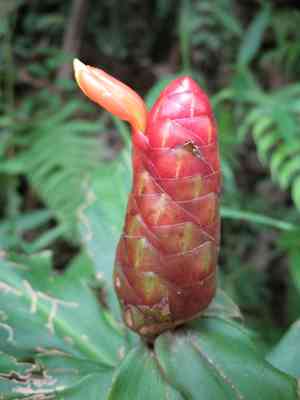
Costus spiralis, recognized for its distinctive coiled stalks and vivid blossoms, significantly benefits from regular trimming. Perform this maintenance during late winter to early spring, coinciding with its natural development phase. Cut back aged, compromised, or frail stems near the soil line to stimulate vigorous development and boost floral production. Concentrate on preserving an even form and eliminating any faded flower stalks. This method not only enhances air movement but also lowers the likelihood of illness, leading to a more robust and flourishing specimen.
What Are the Benefits of Pruning Spiral Ginger?
What Are the Benefits of Pruning Spiral Ginger?
Spiral ginger thrives with trimming, leading to robust growth and an appealing form. Trimming helps manage its size, promotes vigorous development, boosts flowering, and enhances resistance to pests and illnesses.
What Is the Best Time for Pruning Spiral Ginger?
What Is the Best Time for Pruning Spiral Ginger?
Trimming spiral ginger from late winter to early spring is considered ideal as it aligns with the plant's natural growth cycle. This timing allows the plant to recover and produce new growth as it enters its active season. Pruning before new growth begins helps remove any damaged or dead parts accumulated during colder months, ensuring healthier and more vigorous regrowth. Additionally, this period is generally before the plant starts its flowering phase, which aids in promoting better blooms and overall plant vitality.
What Tools Do I Need to Prune Spiral Ginger?
Bypass Pruners
Utilize bypass pruners for precise cuts on living stems and smaller branches, typically up to ¾ inches in diameter. These are perfect for routine upkeep of spiral ginger due to their accuracy.
Anvil Pruners
These are suitable for severing dead stems or thicker branches of spiral ginger, as they crush the stem against a flat surface, making them less ideal for live tissue but effective for tough, woody growths.
Loppers
For larger branches too thick for hand pruners, loppers offer increased leverage and cutting power, making them perfect for thicker, more mature sections of spiral ginger.
Pruning Saw
A pruning saw is crucial for very thick branches or stems that cannot be managed by pruners or loppers. It ensures clean cuts without harming the plant.
Pruning Shears
Essential for detailed work and delicate trimming, pruning shears help maintain the overall shape and health of spiral ginger by allowing precise cuts on smaller stems.
Gloves
Wear gardening gloves to safeguard your hands from potential injury while working with spiral ginger, especially if any stems or branches have thorns or rough textures.
How to Prune Spiral Ginger
Inspect
Carefully examine spiral ginger to identify any diseased or withered leaves that require removal.
Tools Sanitize
Disinfect pruning tools with a 70% alcohol solution or a mixture of 1-part bleach to 9 parts water to prevent disease transmission.
Remove Diseased Leaves
Use sanitized pruning shears to cut off any diseased leaves close to their base, ensuring the entire affected area is removed.
Remove Withered Leaves
Trim withered leaves by cutting them at their base, similar to the method used for diseased leaves, to maintain the plant's overall health and appearance.
Dispose
Properly dispose of the pruned leaves, preferably by burning or placing them in a sealed bag, to prevent the spread of any potential diseases.
Common Pruning Mistakes with Spiral Ginger
Over-pruning
Removing too much foliage can stress spiral ginger, hindering growth and reducing blooms.
Improper tool use
Using dull or dirty tools can damage stems and introduce disease, leading to unhealthy growth.
Incorrect cuts
Making cuts too close to the main stem or at the wrong angle can impede proper healing and promote disease.
Common Pruning Tips for Spiral Ginger
Use sharp, clean tools
Always use sterilized, sharp pruning shears to make clean cuts and prevent the spread of disease.
Remove dead or damaged stems
Cut away any dead, diseased, or damaged stems to encourage healthy growth and air circulation within the plant.
Thin out crowded areas
Prune to open up the plantâs structure, allowing light and air to reach all parts, which can help prevent fungal issues.
Make angled cuts
Cut stems at a 45-degree angle to promote faster healing and water runoff, reducing the risk of rot.
Avoid over-pruning
Limit the amount of foliage removed to a maximum of one-third at a time to keep the plant healthy and vigorous.



