How to Prune Purple pampas grass?
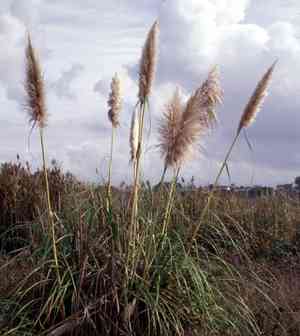
Distinguished by its impressive plumes and lofty height, purple pampas grass flourishes with consistent trimming to preserve its form and vitality. Perform pruning in the spring to eliminate deceased foliage and stimulate fresh development. If winter conditions are severe, cut the plant back to soil level. Throughout the summer and autumn, clip flower stalks to inhibit seed dispersal and proliferation. The advantages of pruning encompass regulated growth, revitalization, and diminished invasiveness, which are crucial for handling this vigorous perennial.
What Are the Benefits of Pruning Purple Pampas Grass?
What Are the Benefits of Pruning Purple Pampas Grass?
Trimming purple pampas grass promotes more vibrant blooms, stimulates growth, and maintains its distinct form, all crucial for a striking garden display.
What Is the Best Time for Pruning Purple Pampas Grass?
What Is the Best Time for Pruning Purple Pampas Grass?
Pruning or trimming purple pampas grass in late winter or early spring is considered ideal, as this period precedes its active growth phase. Performing this task in late winter ensures the frozen ground won't harm the plant, as it's typically dormant. Early spring allows gardeners to remove any winter damage before new growth starts, directing the plant's energy toward producing fresh, healthy shoots. Trimming at this time helps stimulate new flower development and facilitates a strong, structured shape for the upcoming growing season. It's vital to avoid pruning in late summer or fall, as this can lead to new growth susceptible to frost damage or insufficient time to harden off before winter temperatures arrive. Pruning during the identified optimal seasons guarantees the health of purple pampas grass and maximizes its ornamental appeal.
What Tools Do I Need to Prune Purple Pampas Grass?
Heavy-Duty Garden Shears
Purple pampas grass possesses tough, thick foliage that necessitates tools capable of making clean cuts through the material. Garden shears with robust, sharp blades can efficiently manage the task of trimming the grass blades.
Long-Handled Loppers
Given the size and density of purple pampas grass, long-handled loppers are perfect for reaching into the plant to cut through thicker stems. Their leverage and reach enable gardeners to prune without excessive bending, which can be essential for the tall flower stems purple pampas grass can produce.
Gardening Gloves
Purple pampas grass blades can be sharp and potentially injure unprotected skin. Thick gardening gloves are essential to safeguard hands during the pruning process.
Protective Eyewear
When pruning purple pampas grass, small, sharp fragments can fly, posing a risk to eyes. Protective eyewear is advised to shield gardeners from harm.
Pruning Saw
For the thickest stems of purple pampas grass, a pruning saw may be necessary as these stems can be quite tough. A sharp pruning saw simplifies the removal of such stems near the base.
Hand Pruners
For more precise or detailed pruning work on purple pampas grass, such as thinning out smaller or less accessible areas, a pair of hand pruners is suitable.
How to Prune Purple Pampas Grass
Protect
Wear gloves and long sleeves to shield your skin from purple pampas grass's sharp foliage and flower bracts.
Sanitize
Before you begin, disinfect your cutting tools with rubbing alcohol or a 10% bleach solution to prevent disease spread.
RemoveDiseased
Locate and carefully remove any diseased leaves from purple pampas grass by cutting them at their base where they emerge from the ground.
RemoveWitheredLeaves
Identify and trim withered or dead foliage. Prune these leaves at the base, similar to how you handled the diseased leaves.
RemoveWitheredFlower
Cut the spent or withered flower stalks of purple pampas grass at the base to encourage new growth and enhance the plant's appearance.
Common Pruning Mistakes with Purple Pampas Grass
Over-pruning
Removing too much foliage from purple pampas grass at once can weaken the plant, cause stress, and diminish its ability to thrive.
Improper tools
Using dull or dirty pruning tools can damage the stems of purple pampas grass and introduce diseases.
Shearing
Cutting purple pampas grass with a shearing motion can create an unnatural shape and restrict airflow through the foliage, increasing the risk of fungal diseases.
Neglecting safety
Failing to wear gloves and long sleeves can result in cuts or skin irritation caused by the sharp foliage of purple pampas grass.
Ignoring plant structure
Not considering the natural shape and growth habit of purple pampas grass during pruning can lead to an unbalanced appearance and potential damage to the plant's structure.
Common Pruning Tips for Purple Pampas Grass
Sharp tools
Use clean, sharp secateurs or loppers to make clean cuts on purple pampas grass, which aids in quick healing.
Selective thinning
Thin out older stems to improve light penetration and air circulation within the canopy of purple pampas grass, promoting healthier growth and reducing disease.
Height reduction
Prune the taller stems of purple pampas grass down to the desired height to maintain its size and encourage new growth from the base.
Flower stalk removal
Remove spent flower stalks from purple pampas grass to redirect energy into producing new foliage and flowers.
Safety gear
Wear appropriate safety gear, including gloves and eye protection, to prevent injuries while pruning purple pampas grass.



