How to Prune Brown dogwood?
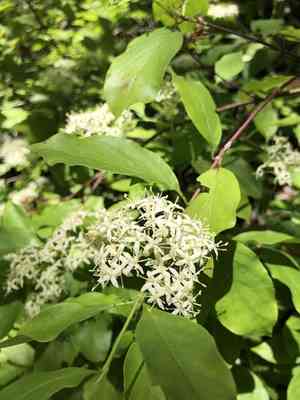
Cornus sericea is known for its thick, expansive growth pattern. The best time for trimming is from late winter to early spring. Methods involve eliminating deceased or compromised limbs, reducing congested sections to improve airflow, and sculpting for preferred visual appeal. Consistent trimming deters insect problems, fosters more vigorous development, and accentuates its inherent structure. Always employ sanitized, keen implements to lessen harm and encourage strong regeneration.
What Are the Benefits of Pruning Brown Dogwood?
What Are the Benefits of Pruning Brown Dogwood?
Trimming brown dogwood encourages robust development, maintains desired form, boosts blooming, manages size, enhances appearance, and improves resistance to pests and diseases.
What Is the Best Time for Pruning Brown Dogwood?
What Is the Best Time for Pruning Brown Dogwood?
The optimal time for pruning brown dogwood is from late winter to early spring, as this period coincides with the plant's dormant state, reducing stress and ensuring strong recovery. Pruning during dormancy lowers the chance of disease and pest infestations, as these threats are less active. Additionally, trimming brown dogwood before new growth starts allows the plant to efficiently direct its energy towards producing healthy new shoots and flowers in the growing season. This timing also prevents disruption to the plant's flowering and fruiting cycles, ensuring aesthetic appeal and vigorous growth throughout the year.
What Tools Do I Need to Prune Brown Dogwood?
Bypass Pruners
Perfect for making precise cuts on live branches up to 3/4 inches in diameter, minimizing harm to the plant.
Lopping Shears
These are excellent for cutting thicker branches, typically between 1 to 2 inches in diameter, offering leverage and accuracy.
Pruning Saw
Essential for cutting branches larger than 2 inches. Ideal for removing more substantial limbs while ensuring smooth cuts.
Hand Pruning Shears
Useful for detailed work on smaller shoots and stems, enabling accurate shaping and removal of dead or diseased wood.
Pole Pruner
Helps reach elevated branches without needing a ladder, ensuring safety and efficiency.
How to Prune Brown Dogwood
Assess
Carefully inspect brown dogwood for any diseased or withered leaves, noting their locations and the extent of the damage.
Prep Tools
Ensure all pruning tools, such as shears or scissors, are clean and sharp to prevent disease spread and make precise cuts.
Remove Diseased
Start by cutting away any diseased leaves. Make sure to trim at least an inch below the affected area to eliminate any unseen pathogens.
Eliminate Withered
Carefully trim all withered leaves, ensuring to cut back to healthy, green tissue to encourage new growth.
Dispose
Properly discard all removed plant material in a sealed bag to prevent the potential spread of diseases to other parts of your garden.
Common Pruning Mistakes with Brown Dogwood
Improper technique
Using incorrect cutting methods, such as making rough, jagged cuts or not cutting at an angle, can harm new growth and make the plant more vulnerable to diseases.
Pruning too heavily
Removing an excessive amount of the plant at once can stress brown dogwood and hinder its growth. It's crucial to avoid cutting more than one-third of the plant at a time.
Ignoring deadwood
Failing to remove dead or diseased wood can lead to poor air circulation and increase the risk of fungal infections and pests.
Random pruning
Pruning without a plan or understanding of the plant's natural shape can result in an unattractive form and impede the plant's ability to thrive.
Pruning at wrong time
Pruning during inappropriate times can disrupt the plant’s growth cycle and potentially eliminate flowering for the season.
Common Pruning Tips for Brown Dogwood
Sharp tools
Always use sharp, clean tools to make precise cuts that heal quickly and minimize the risk of disease.
Thin out crowded branches
Focus on thinning out crowded or crossing branches to improve air circulation and light penetration, promoting healthier growth.
Cut at a 45 degree angle
Make cuts at a 45-degree angle just above an outward-facing bud to encourage new growth in the desired direction.
Remove suckers and water sprouts
Regularly remove suckers (shoots growing from the base) and water sprouts (vertical shoots) to direct the plant’s energy to more desirable growth.
Step back and assess
Periodically step back to assess the overall shape and health of brown dogwood during the pruning process to ensure you're preserving its natural form and beauty.



